
NATO’s Dynamic Mongoose 2026: What This Major Submarine Warfare Exercise Means for Global Security
Daniel Kim Views
Translation result

The rough waters off Norway’s northern coast have resurfaced as a quiet battleground between major powers and a critical node for maritime security.
According to international and defense outlets, NATO on May 18 launched Dynamic Mongoose 2026, a large-scale allied anti-submarine warfare exercise off Norway.
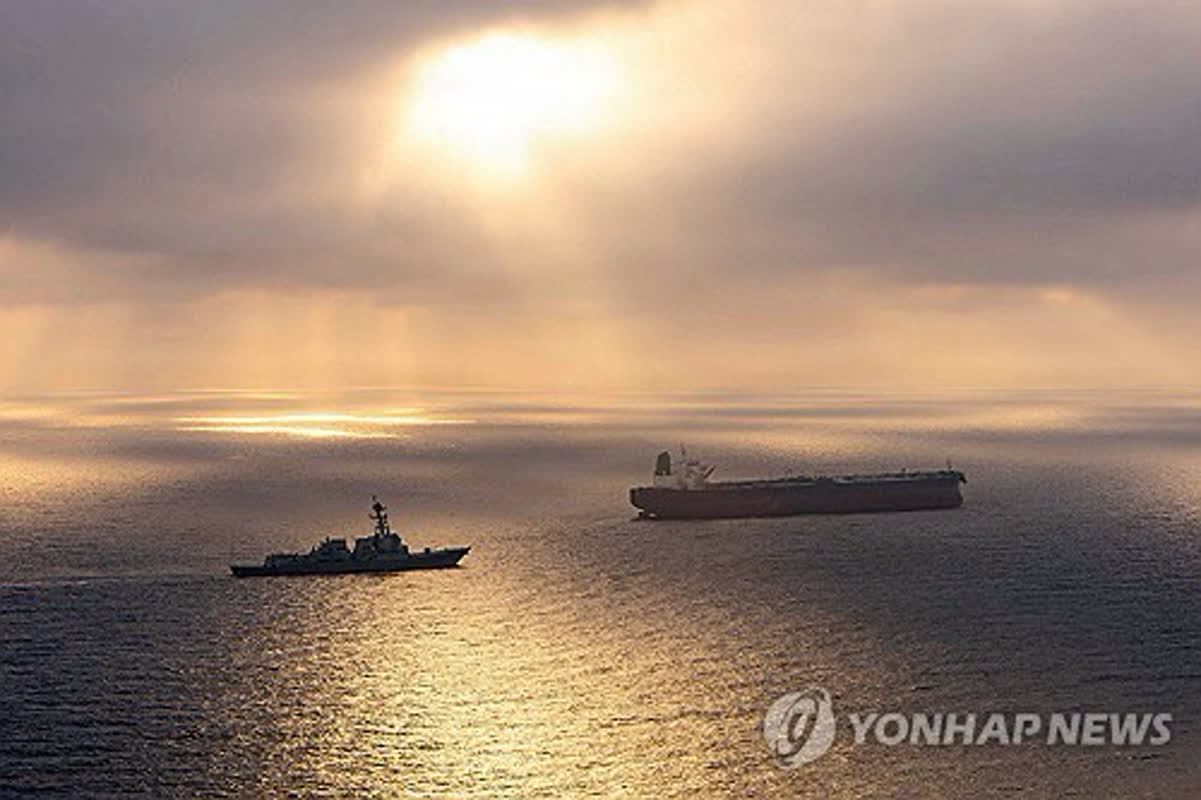
Running through May 29, the drill brings together nine NATO allies, including the United States and Norway, to test collective capabilities against hidden threats beneath the sea.
At its core, the exercise centers on detecting and tracking simulated hostile submarines, with advanced subs, surface combatants and maritime patrol aircraft all operating in an integrated, multi-domain fashion.
Blocking the Northern Fleet’s sea lanes and building defenses for undersea infrastructure
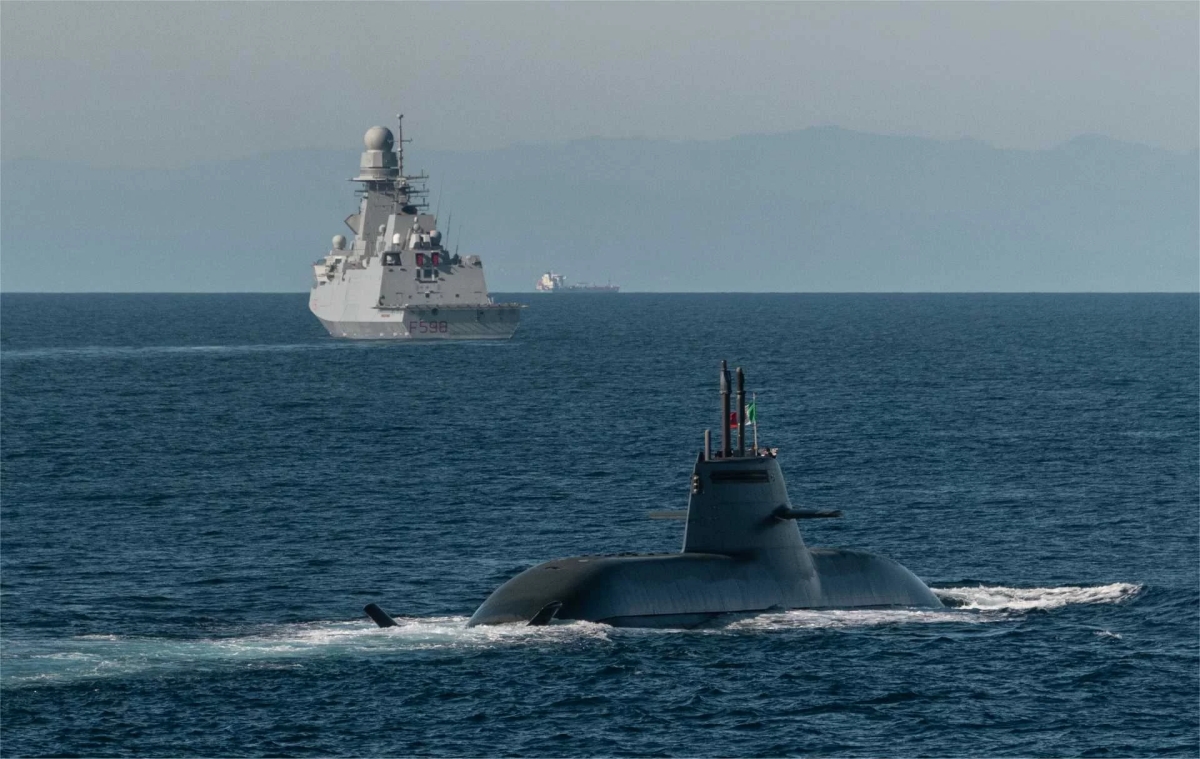
The Norwegian Sea, where the exercise is staged, is a strategic chokepoint Russian Northern Fleet nuclear submarines must transit to reach the Atlantic.
It was also a symbolic front during the Cold War, when NATO maintained dense surveillance networks to deny access to Soviet subs.
Loss of control in this theater would not only jeopardize sea lines of reinforcement to Europe but could also undermine security across the continent.
Modern anti-submarine warfare now extends beyond tracking warships. Protecting undersea lifelines—communications cables, and natural gas pipelines—has become a vital defensive task.

Recent gray-zone attacks—including explosions on gas pipelines—have sharpened concerns, pushing NATO’s naval defense perimeter from surface vessels down to the seafloor infrastructure itself.
High-tech cat-and-mouse and implications for Northeast Asian security
The undersea chase is essentially a high-tech game of cat-and-mouse.
NATO concentrated training on integrating hull-mounted sonar, long-range towed-array systems, and the sensor suites on ASW helicopters and maritime patrol aircraft to operate as a synchronized detection network.
Contemporary nuclear and ultra-quiet diesel-electric submarines remain difficult to detect, even with advanced systems. That has made the battle for the faintest acoustic and electronic signatures fiercely competitive.

The allied ASW exercise carries clear implications for South Korea and the broader security environment in Northeast Asia.
China, Russia and North Korea are all rapidly expanding their submarine forces in the region, increasing the undersea threat beneath Korean waters.
Dynamic Mongoose underlines a fundamental reality of modern great-power competition: dominance over the seabed—persistent monitoring and rapid response—has returned to the strategic center.
South Korea’s military will need to bolster independent anti-submarine surveillance and reconnaissance assets and sustain momentum in naval modernization to counter growing regional submarine threats.
실시간 인기기사
- “A 120 kg-class monster that can penetrate modern ships”…Great powers spent billions to acquire them, and now they’re stunned
- “Built with ruthless determination”…North Korea’s 143 m large destroyer sparks alarm in a breakneck speed race
- “Too brutal — a weapon banned by the international community”…Kim Jong Un brandishes it toward the South, provoking outrage











Most Commented