
Translation result
「Yoon Seok‑jun Cha‑mil, May 18, 2026」
Why Is China Exporting Submarines to Its Neighbors?
For years Beijing has invested diplomatic, economic and military resources to sell conventionally powered submarines (SSKs) — many regarded as dated or marginally capable — to nearby states.
The People’s Liberation Army Navy builds a wider range of SSKs, nuclear attack submarines (SSNs) and ballistic-missile submarines (SSBNs than any other navy, giving China a numerical edge in undersea forces across its neighborhood.
Except for Australia’s planned eight next‑generation SSNs under AUKUS, most East Asian navies field high-quality indigenous SSKs. Still, in sheer numbers they are outmatched by China’s SSK, SSN and SSBN fleets. That said, China’s SSNs and SSBNs remain behind U.S. boats on noise signature, undersea operational capability, endurance and tactical systems.
The U.S. Navy and its East Asian partners have tried to manage that gap through an “Underwater Management Agreement” (UMA), in which U.S. SSNs and SSBNs operate at depth while allied, high-quality indigenous SSKs conduct ISR closer to shore. That conventional–nuclear integrated approach is meant to check the PLA Navy, but China still enjoys numerical superiority versus the navies of Australia, Japan and South Korea.
Lately Beijing has drawn attention by pushing older or upgraded SSKs into regional navies, using a mix of political, diplomatic, economic and military inducements.
I have long argued that the United States has encouraged allied East Asian navies to acquire SSK technology, parts and know‑how from European suppliers so they can field boats that outperform China’s in key areas such as mechanical noise, hull design, materials and engine reliability. Those allied SSKs effectively carry out ISR missions off China’s eastern seaboard, contributing to regional undersea deterrence on behalf of the U.S. Navy.
South Korea’s KSS program illustrates the point. After importing Germany’s Type 209, the Republic of Korea Navy rapidly developed an indigenous SSK and demonstrated its strengths in multinational, open‑ocean exercises such as RIMPAC. That performance earned Seoul high operational trust from the U.S. Navy — a contrast with the Japan Maritime Self‑Defense Force, which historically has been more selective about deploying its indigenous SSKs to RIMPAC.
In my service, I saw East Asian naval delegations model their programs on South Korea’s success. When they sought cooperation from the U.S. Navy, American leaders often told them to visit the Korean Navy first: study Seoul’s shipbuilding and operational practices, then return to the U.S. for tactical and logistics advice.
South Korea’s undersea program grew as a hedge against North Korean threats and as a response to doubts about whether U.S. SSNs and SSBNs alone could reliably counter Pyongyang’s undersea capabilities.
Below is my strategic and operational assessment of why the PLA Navy is exporting SSKs to neighboring states.
First, China is marketing older or upgraded SSKs broadly and opportunistically. Analysts say Beijing leverages the Belt and Road Initiative (BRI), announced by Xi Jinping in 2013, to sweeten deals — offering port infrastructure, favorable payment terms, logistics support and crew training to buyers interested in PLA‑origin SSKs.
The first case involved China upgrading 1990s‑built Type 035 Ming‑class boats to the 035G standard and agreeing to sell two to Bangladesh for roughly $203 million.
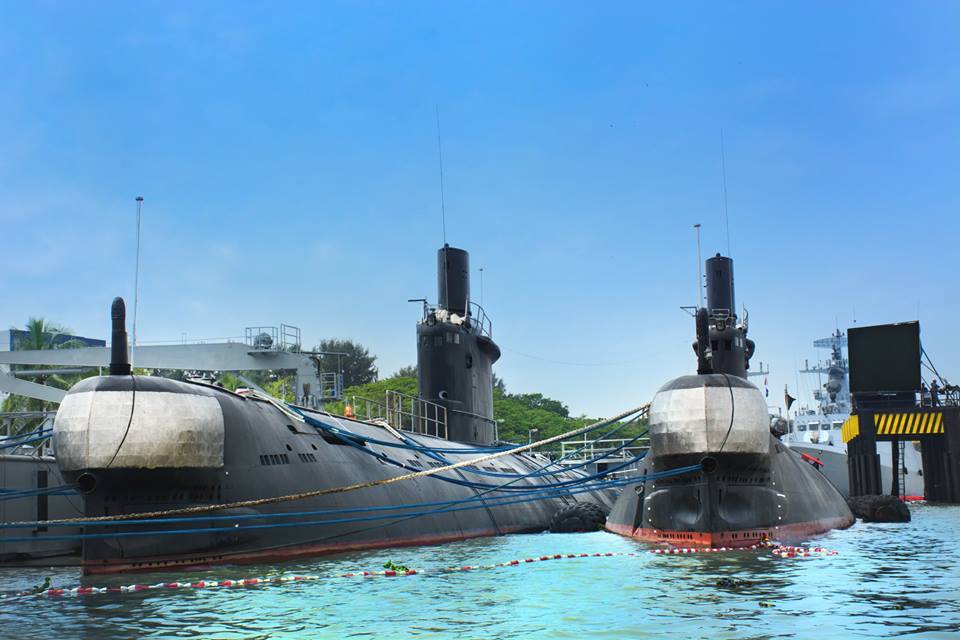
▲ Bangladesh Navy Type 035 Ming‑class submarine / x.com
Analysts say Beijing coupled the sale with offers to support Bangladesh’s naval base modernization under Dhaka’s Force Goal 2030, provide pre‑deployment crew training through Pakistan’s navy, and supply spare parts for the Type 035G Ming‑class at no additional cost.
At the time, Xi was promoting the maritime Silk Road. Chinese state shipbuilders reportedly coordinated with domestic port contractors to back Bangladesh’s base upgrades, enabling the two Type 035G boats to be exported at roughly $100 million apiece.
The second case dates to July 23, 2015, when China agreed to sell eight Type 039B Yuan‑class SSKs to Pakistan for about $5 billion — the largest single‑country arms export by a Chinese state defense firm at that time. China built four boats at home and supported construction of four more at Karachi Shipyard & Engineering Works (KSEW) with Chinese technology and personnel, while also backing expansion of Pakistan’s Jinnah naval base as a BRI project.
On May 9 this year, the state‑run Global Times reported that China Shipbuilding Industry Corporation (CSIC) delivered an AIP‑equipped conventional submarine — China’s so‑called Type Qilin class (Pakistan’s “Hangor class”) — in a ceremony at the Sanya naval base in the Southern Theater Command attended by Pakistan’s president and chief of naval staff.
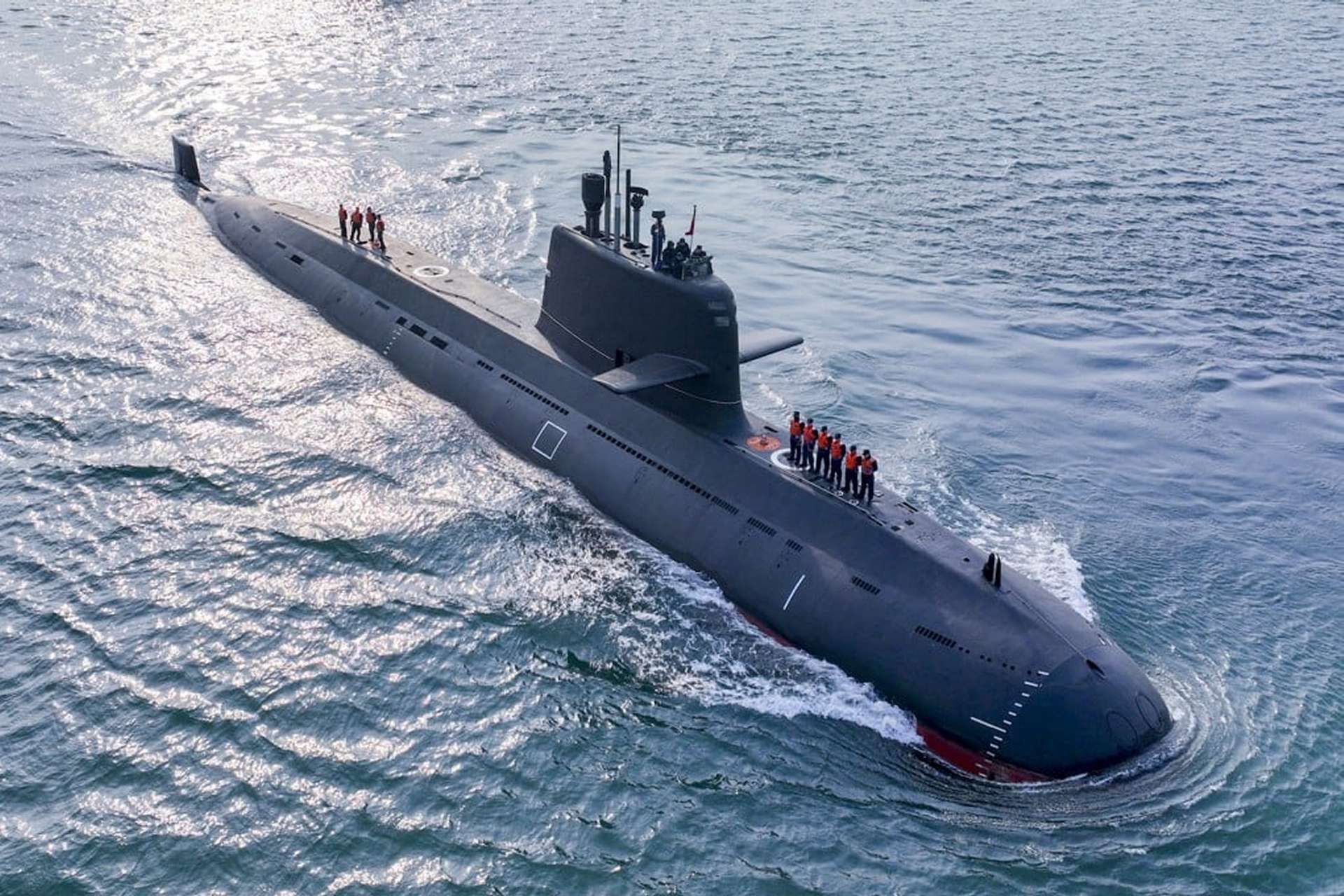
▲ Pakistan Navy Hangor‑class submarine / Army Recognition
Reports indicate all eight boats will be delivered between 2025 and 2030: four built at Wuchang in China and four completed at KSEW in Karachi with Chinese technology, parts and personnel.
Some analysts say Beijing initially priced those boats at roughly $500 million each, then offered a steep discount to about $200 million per hull to secure the deal. Given the scale of the 2015 agreement, China clearly judged Pakistan’s urgent need to replace five aging Agosta‑class SSKs — boats that could only perform limited ISR in Pakistan’s adjacent waters and could not contest a broader Indian Ocean presence.
Pakistan intends to deploy Type 039‑size AIP SSKs into the Indian Ocean to check the Indian Navy and assert undersea presence in the Arabian Sea, which links to the Mediterranean and Pacific through critical choke points.
The third case occurred in 2017, when China Shipbuilding Industry Corporation (CSOC) contracted to sell three S26T AIP SSKs — a Thai‑customized variant of the Type 039 Yuan‑class — to Thailand for about $400 million (roughly $130 million per boat). Payment terms and technical specifics remained undisclosed.
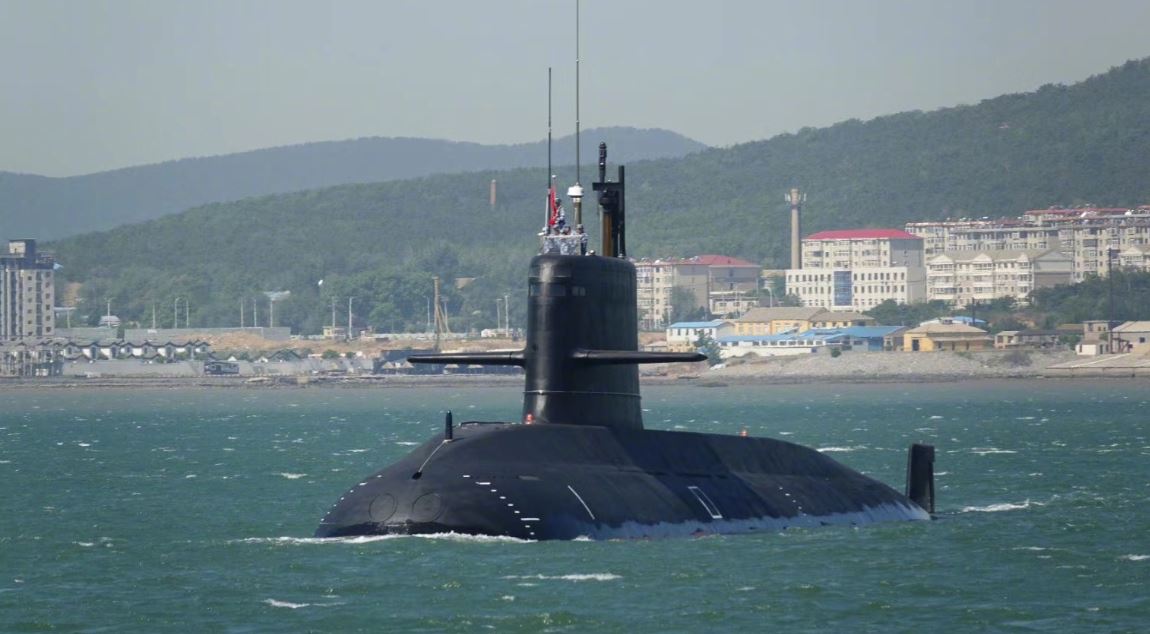
▲ China’s proposed Type 039 Yuan‑class submarine for Thailand
After the 2017 announcement, Thailand revised contract terms and proposed partial payment in domestic goods. Bangkok also signaled openness to EU‑made SSKs if China’s terms proved unfavorable. Those disagreements delayed the final purchase.
For example, last August Wuchang planned to fit the S26T — a reduced ~2,600‑ton variant of the Type 039B — with German MTU 396 diesel engines. U.S. export controls complicated that engine purchase. Wuchang then offered China’s CHD 620 diesel to cut costs, but the Royal Thai Navy insisted on German engines and threatened to cancel, delaying construction by an estimated 1,000 days.
The fourth case involved Myanmar. Before operating Russian Kilo‑class SSKs, Myanmar bought a Type 035 Ming‑class SSK from China in March 2020 as a crew training platform; China delivered that boat in December 2021.
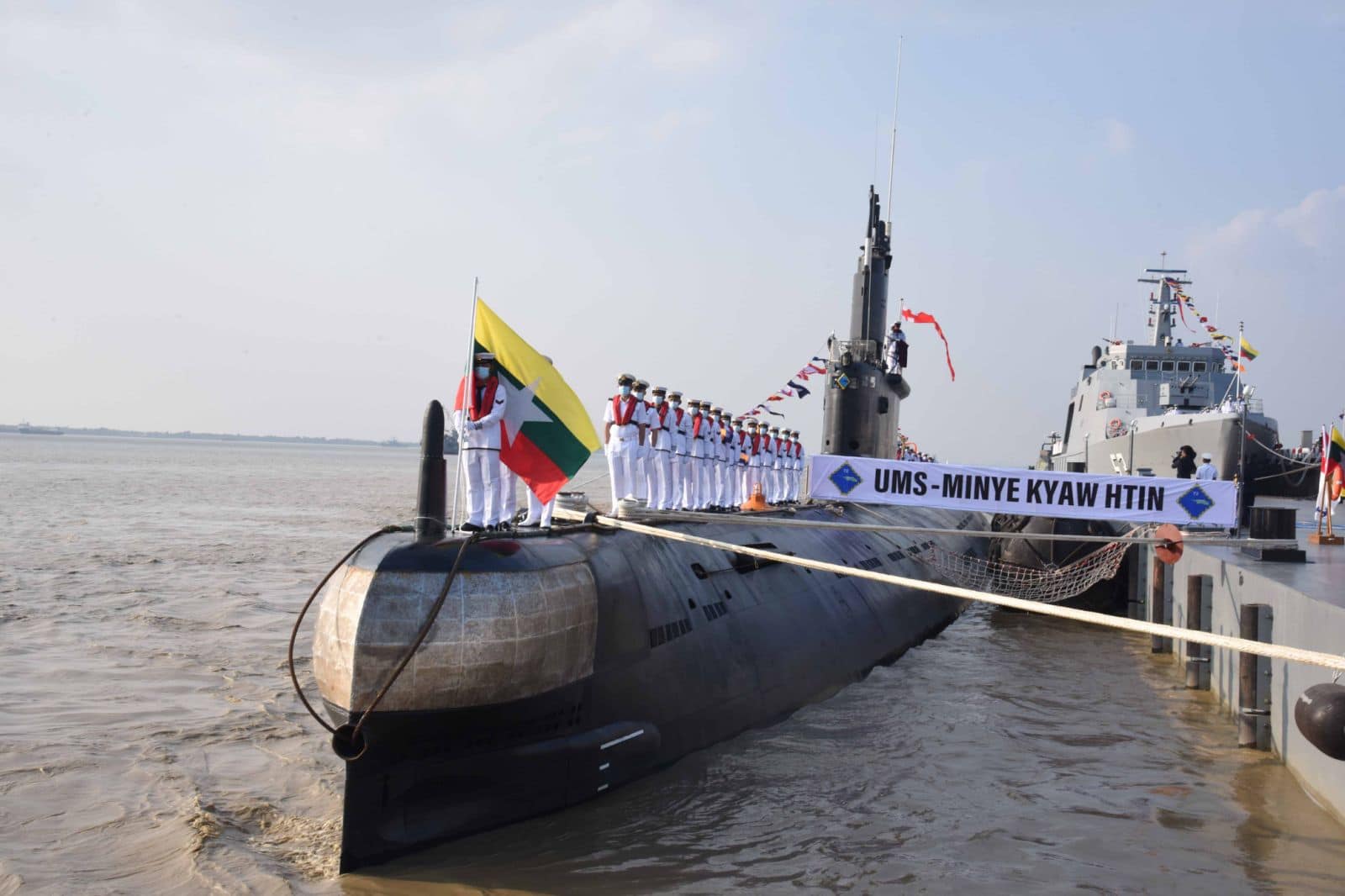
▲ Myanmar Navy Type 035 Ming‑class submarine / Naval News
In October 2020, India gifted an older Russian Kilo‑class (Project 877) SSK to Myanmar. In January 2022, Myanmar moved to acquire upgraded Kilo‑class (Project 636) boats from Russia — a deal India reportedly supported to counter China’s regional outreach.
China responded by deepening military cooperation and accelerating Myanmar’s naval modernization. Beijing provided substantial financing and positioned the Type 035 Ming‑class at the modernized Kyaukpyu (Riam) naval base to train crews who will later operate Russian Kilos. Analysts view the Ming‑class transfer as a rehabilitated, upgraded retired boat delivered at low or no cost as part of broader cooperation.
I assess China’s exports of varied SSKs to four neighboring states reflect several strategic and operational calculations.
First, the sales fit a “string of pearls” encirclement logic. In the Indian Ocean, Beijing has sought to pressure India by strengthening Pakistan and Bangladesh on opposing flanks: offering Pakistan up to eight Type 039B or Hangor‑class AIP SSKs at favorable terms to check India’s undersea forces, and providing Bangladesh two Type 035 Ming‑class boats to position forces along the Bay of Bengal–Andaman Sea corridor.
Second, China is advancing its interests in the Gulf of Thailand. Beijing claims roughly 80 percent of the South China Sea through artificial islands and aggressive baselines, and its ambitions may extend toward Indonesia and Thailand. By helping the Royal Thai Navy assert undersea control amid boundary disputes with Malaysia and Indonesia, China seeks indirect influence over Bangkok and to limit Vietnam’s reach into the South China Sea.
Militarily, exporting undersea platforms to Pakistan, Bangladesh, Myanmar and Thailand — states arrayed along key chokepoints linking the Arabian Sea, Strait of Hormuz, Bay of Bengal, Andaman Sea, Strait of Malacca, South China Sea and the Pacific — helps Beijing achieve an anti‑access/area‑denial (A2/AD) effect without committing Chinese submarines to every contested sea lane. Partner navies become forward instruments of that posture.
Economically, most buyers are BRI recipients since 2013. China couples low‑interest financing and lax collateral requirements with infrastructure projects, creating dependence and military linkages that can translate into future political and military leverage — an implicit counter to U.S. alliances with conventionally capable states like Australia, the Philippines, Taiwan, Japan and South Korea.
Ultimately, Beijing appears to seek a dual payoff: expand Chinese influence by exporting SSKs — retired, upgraded or near‑Western in capability — at attractive prices, while constraining regional rival India and advancing an A2/AD posture against the United States.
Author Yoon Seok‑jun is a visiting research fellow at the Korea Institute for Military Affairs,
a defense policy adviser to the Ministry of National Defense and a retired navy colonel.












Most Commented