
US Defense Budget Crisis: Will Military Training Cuts Impact Troops Amid Iran War Costs?
Daniel Kim Views
Translation result  [Herald Economy = Reporter Jeong Mok-hee] The U.S. Department of Defense warned that rising costs from the war with Iran and troop deployments along the southern border could exhaust its operations budget this summer. Officials say that without Congress approving supplemental wartime funding, the Pentagon will likely have to cut training and face operational disruptions.
On May 16, the Wall Street Journal reported senior Pentagon officials have been covering Iran war and unexpected deployment costs out of the department’s existing operations and maintenance (O&M) accounts, which were not designed for those additional missions.
Lawmakers from both parties are pressing the Pentagon to submit an emergency supplemental appropriation to replenish depleted funds, but the department has not yet made a formal request to Congress.
Navy Chief Daryl Code told the House Appropriations defense subcommittee this week that “by around July we may start making decisions to adjust force-readiness activities, such as training, operations and certification procedures.”
Pentagon officials say the services are reviewing cost-saving measures, including trimming unit training and reducing pilots’ flight hours.
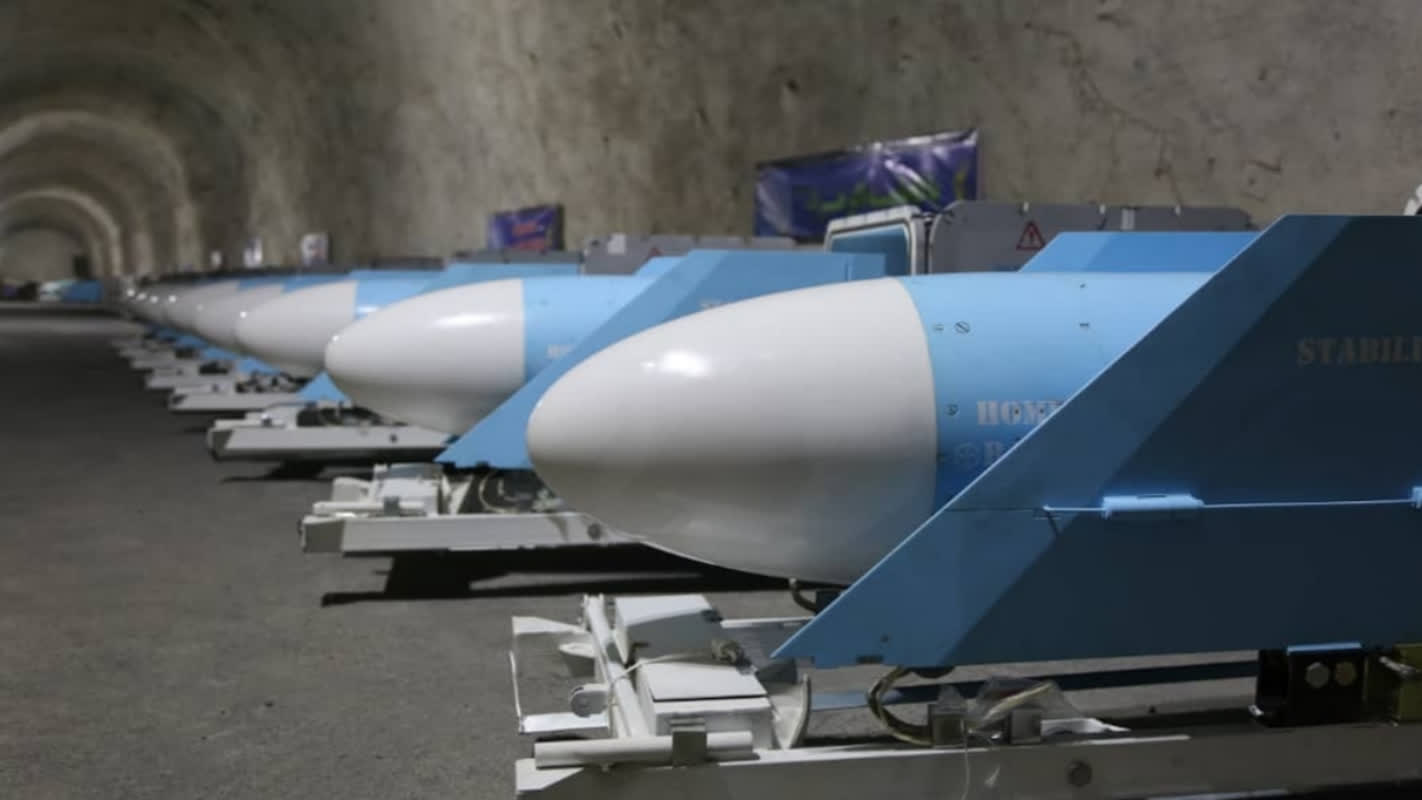
Acting DoD Comptroller Jay Hurst told Congress on May 13 that the Iran war has cost about $29 billion so far (roughly 43 trillion KRW (approximately 32.25 billion USD)). That total rose by about $4 billion in less than two weeks.
The figure includes operational expenses, munitions and the costs of damaged or downed aircraft, but does not account for damage to U.S. base facilities in the Middle East.
The Pentagon has not provided a specific timeline for submitting a supplemental request. The department sent a roughly $200 billion supplemental war package to the White House in March; it is unclear why the White House did not forward it to Congress. Lawmakers at the time criticized the package as overly large.
Because the Trump administration did not request a War Powers Resolution from Congress for the Feb. 28 military action against Iran, analysts warn that future votes on war funding could effectively become a referendum on the conflict ahead of the midterm elections.
Todd Harrison, a defense-budget expert at the American Enterprise Institute, said it will be a tough sell to convince lawmakers that a government operating a roughly $1 trillion budget will collapse without a few billion more.
Still, lawmakers from both parties say they cannot act without an official Pentagon submission. Rep. Rob Wittman (R‑Va.), vice chair of the House Armed Services Committee, told a Washington industry conference, “First, the Pentagon must submit the amount it needs. We need that number now.”
Rep. Betty McCollum, the top Democrat on the House Appropriations defense subcommittee, urged the Pentagon to file a supplemental request ahead of the June 11 review of the fiscal 2027 defense budget, which totals about $1.5 trillion.
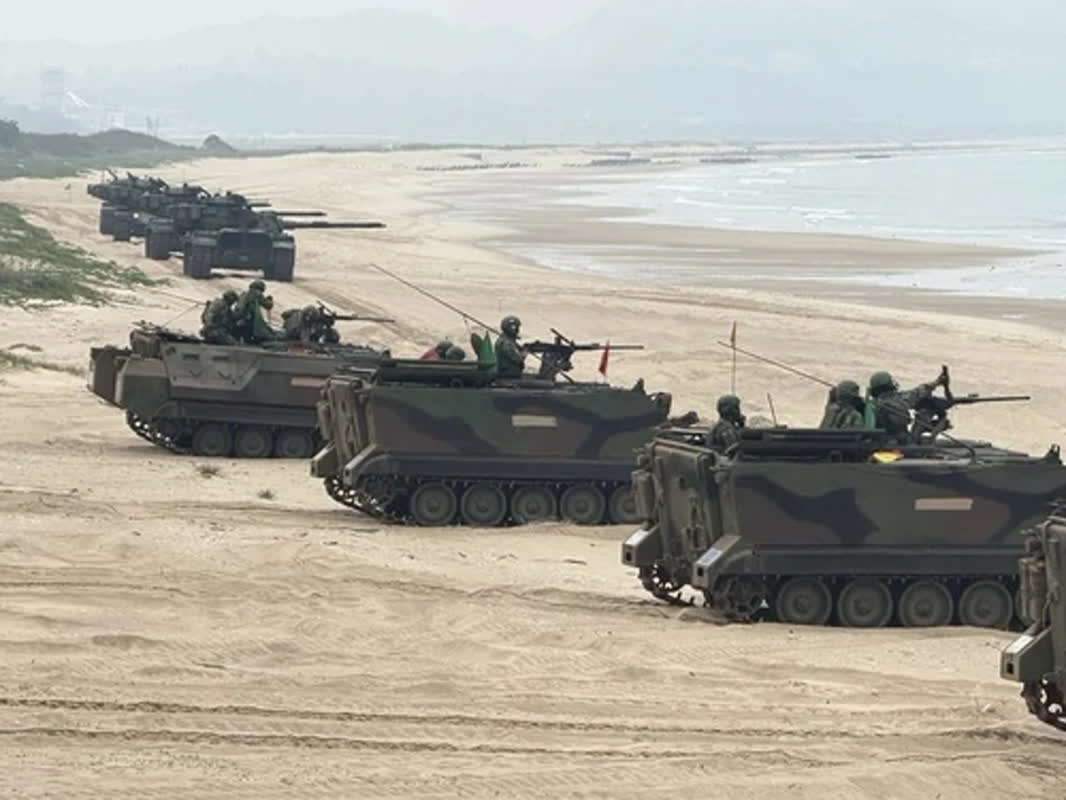
The Army faces a shortfall of roughly $2 billion to $6 billion tied not only to the Iran war but also to prolonged National Guard deployments to Washington and the southern border.
An Army official said the Department of Homeland Security, which endured a 76-day shutdown, should reimburse the Army for related costs but has not yet done so. ABC News previously reported on the Army’s funding shortfall.
Sen. Jack Reed (D‑R.I.) told a Senate Armed Services Committee hearing on May 13 that DHS owes the Army about $2 billion and has not repaid it, and he cited troubling reports of canceled training rotations, halted flights and reduced National Guard and reserve training.












Most Commented