
Translation result
The arrival of the artificial intelligence era has rewritten the rules of war.
The author, a military-technology nonfiction writer who helped shape the U.S. Air Force’s science-and-technology strategy, lays out that transformation.
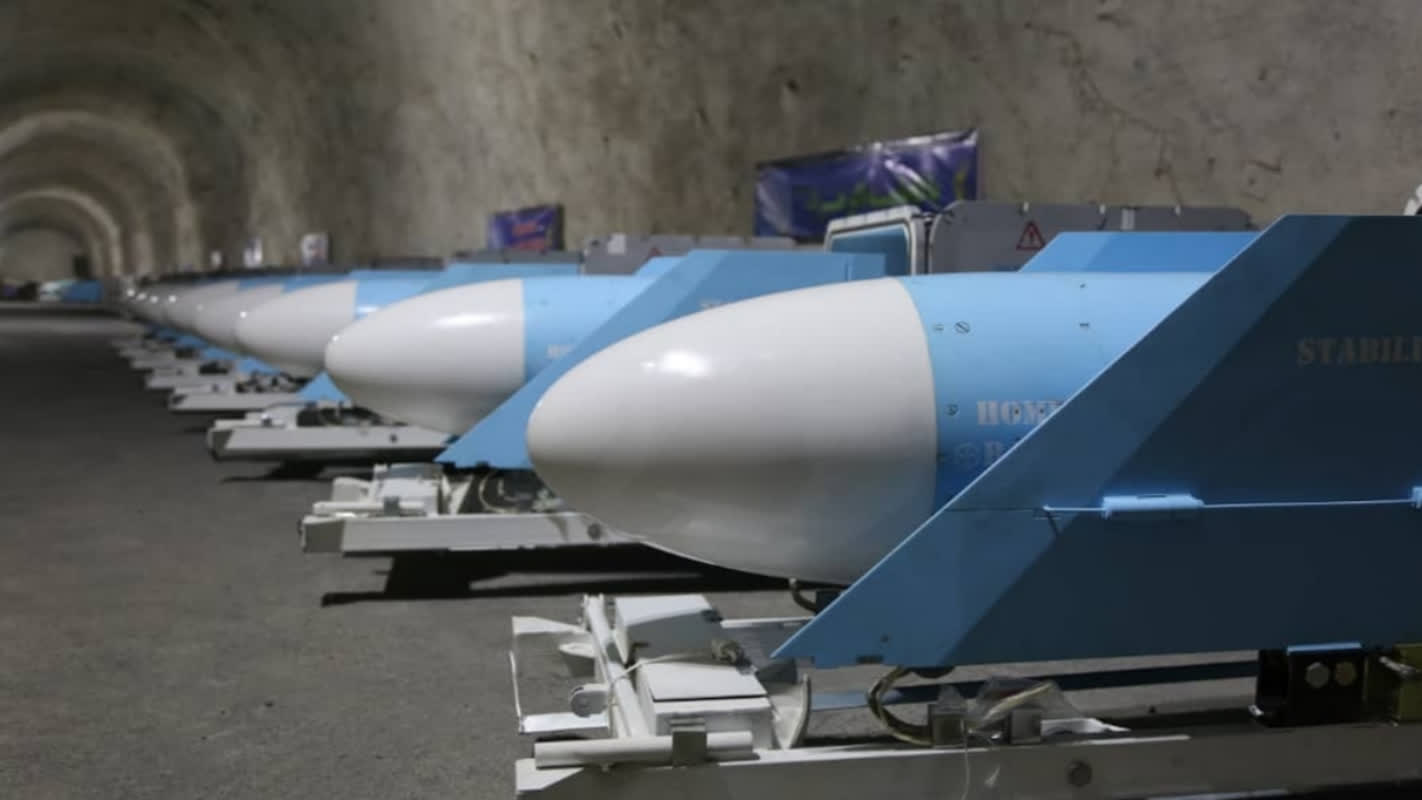
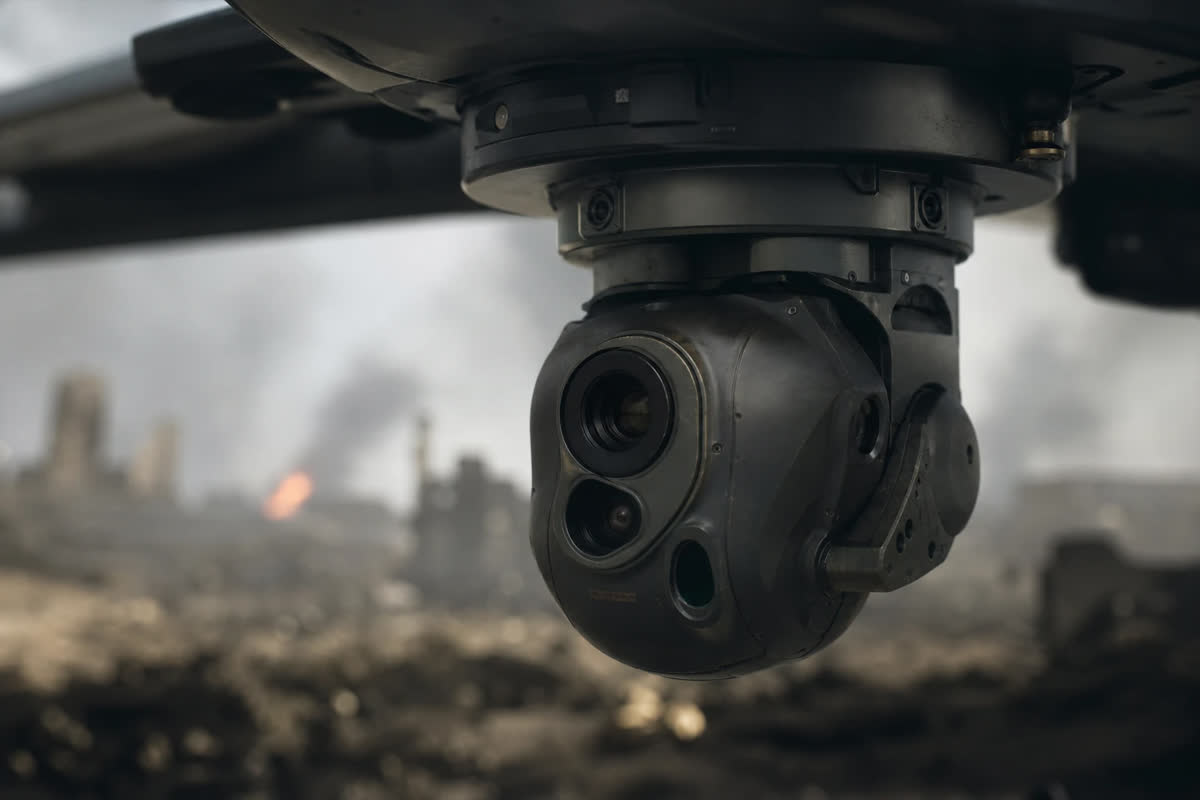
Today the world is witnessing a new form of modern warfare in Ukraine, Russia and the Middle East. Suicide drones are breaching air defenses at night to strike military facilities, while precision-guided missiles can hit hundreds of targets in coordinated barrages. In some cases, inexpensive, small weapons carried by infantry have downed stealth fighters costing more than several hundred billion KRW (approximately 150 million USD). Driving these shifts are rapid advances in AI and robotics.
The book traces a century-long lineage of robotic weapons, from Nikola Tesla’s remote-controlled warship to Stalin’s unmanned “Teletank” and Hitler’s rocket‑propelled precision bombs. It examines how the core warfare paradigm — mobility, precision and firepower — has evolved and how those changes are playing out on today’s battlefields.
The author predicts a second robotic revolution once new combat doctrines that exploit robotic systems and innovative weapon designs take hold.
He also lays out, from historical and military perspectives, how mobility, precision and firepower — the essential elements of war — have evolved and are being applied on the modern battlefield.·
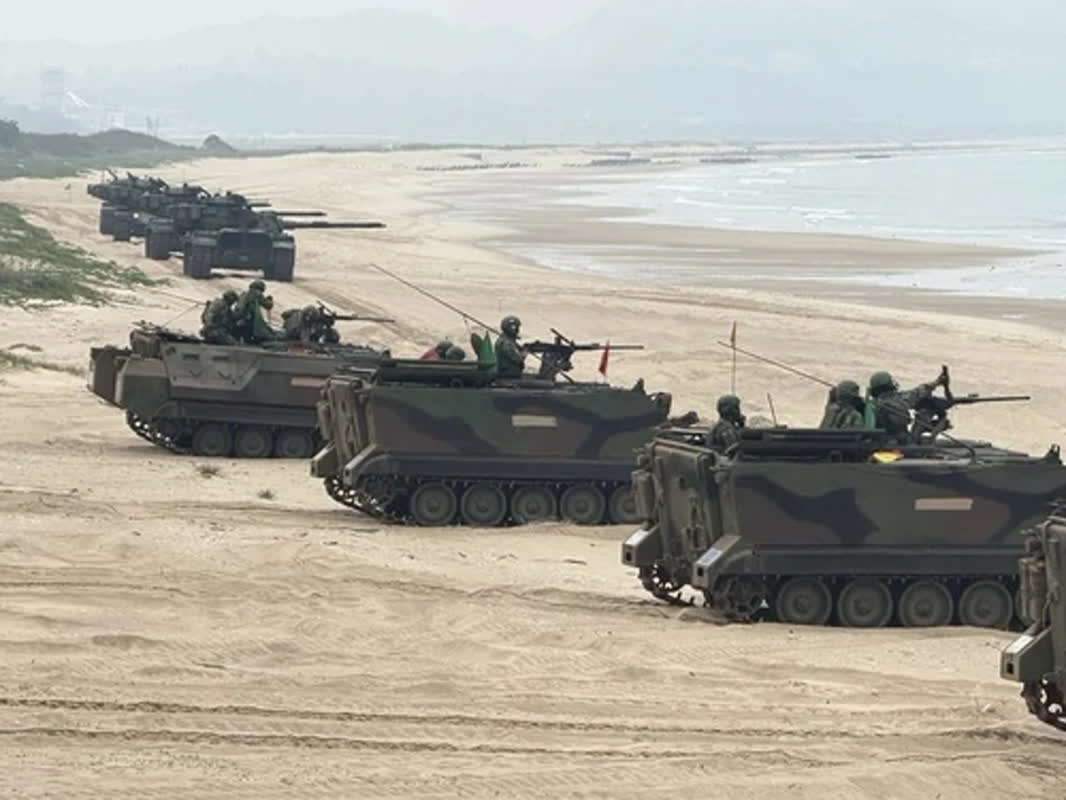
The author’s expertise is most evident in Chapter 2. Historically, defeating an enemy system often required matching it with weapons of similar scale. The rise of robotic precision weapons has rendered that scale competition obsolete. Cheap, small precision-guided munitions, including suicide drones, can now inflict lethal damage on traditionally massive and costly military platforms such as tanks, warships and fighter jets.
Increased precision does more than raise hit probability: it accelerates the tempo of combat. In conflicts dominated by precision weapons, concealment and dispersal matter more than massing forces.
The author also argues that, freed from the need to carry human crews, future weapon platforms built on robotics could take forms we can scarcely imagine today. Human-centered requirements have long constrained traditional platforms; remove those constraints and designers gain enormous freedom.
Blending tactical insight with examples of how AI has penetrated everyday life, the book breaks down complex topics into clear, accessible language.
The book will help military readers and general audiences alike view contemporary warfare from a fresh perspective. It should also prompt concerned citizens and defense policymakers to rethink how to establish controls and accountability for robotic weapons.











Most Commented