
Japan’s Defense Export Revolution: What Does the Missile Deal with the Philippines Mean for Regional Security?
Daniel Kim Views
Translation result.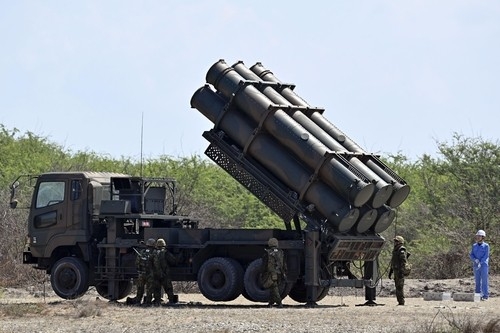 The Japanese government has moved to allow exports of lethal weapons and is now pursuing missile sales to the Philippines. After opening talks over transferring escort ships, Tokyo appears to be stepping up efforts to broaden its defense exports by also considering missile transfers.
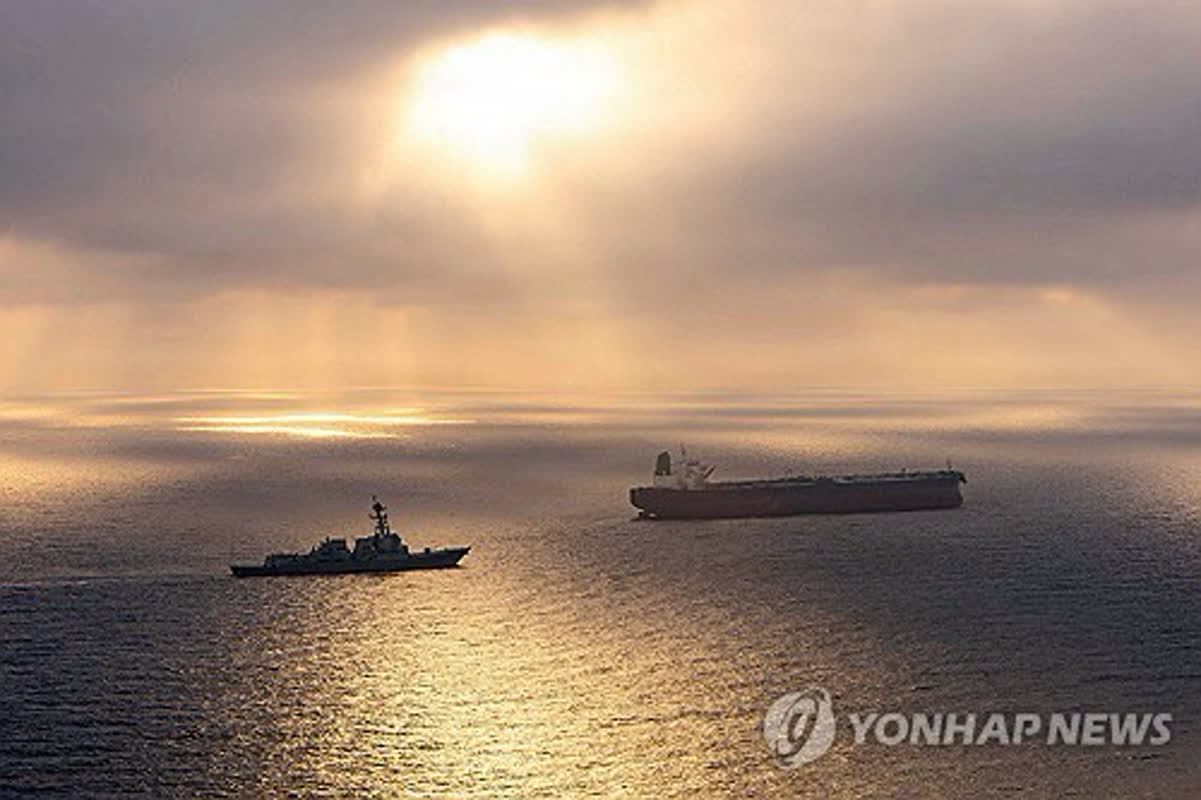
On the 15th, the Nihon Keizai Shimbun reported that Japan’s Defense Ministry is weighing the sale of the Type 88 ship-to-ship guided missile—SSM-1—currently operated by the Ground Self-Defense Force. The missile was used on the 6th during the U.S.-Philippines-led multinational exercise Balikatan, where Japanese forces employed it to sink a decommissioned vessel off Paoai on northern Luzon. Philippine officials reportedly showed strong interest in the system.
Nikkei says the Defense Ministry plans to phase in newer missiles to replace the Type 88 and is therefore considering exporting existing stockpiles as part of that transition.
Japan has also opened talks to transfer a used Abukuma-class escort ship from the Maritime Self-Defense Force to the Philippines. In Manila on the 5th, Defense Minister Shinjiro Koizumi met with Philippine Defense Secretary Gilberto Teodoro, and they agreed to set up a working group to manage the ship transfer.
The move follows Tokyo’s recent revision of the Three Principles on Transfer of Defense Equipment and Technology and related guidelines, changes that effectively permit exports of lethal weapons. Japan long refrained from arms exports under its pacifist Article 9, but after partially allowing noncombat equipment sales in 2014 it gradually relaxed controls. Last month, authorities overhauled the framework to allow lethal-weapon exports and have launched a more assertive push to expand defense-industry sales.










Most Commented