
Is China Outpacing the US in Undersea Warfare? A Look at Their Growing Naval Capabilities
Daniel Kim Views
Translation result

China Gathers Ocean Intelligence Worldwide to Counter U.S. Navy Submarines
Be alert for survey attempts in nearby waters
Choi Hyun-ho, Millidom CEO / Military Columnist
China, locked in a naval competition with the United States, has stepped up ocean intelligence collection using research vessels across the globe. The effort appears to go beyond building underwater acoustic networks in the South and East China Seas aimed at U.S. submarines; Beijing seems intent on widening its submarine-detection networks and expanding areas for Chinese submarine operations. This article explains what ocean intelligence is and how China has collected marine — especially seabed — data.
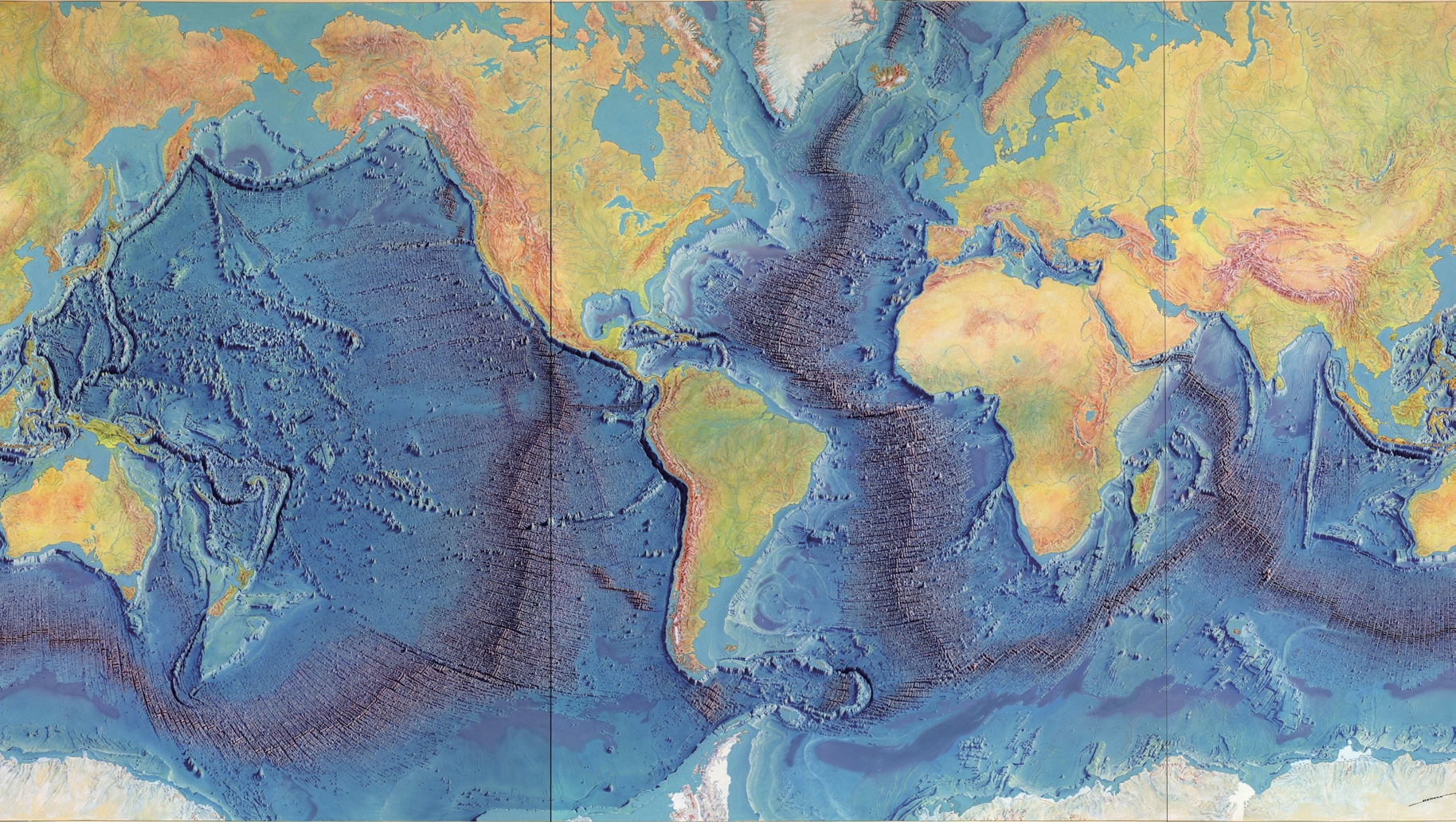
1. Schematic of global seafloor terrain
The invisible battlefield: the seafloor
Knowledge of terrain has always decided conflicts. On land, mountains and rivers shape operations; in the air, weather and altitude matter. Yet most people picture the ocean only by its calm or choppy surface. Even with modern science, ocean exploration demands high-end technology and enormous cost comparable to space exploration.
The ocean covers 71% of the planet, but scientists have mapped less than 25% of the seafloor at high resolution. This little-known domain has become a theater for intense military intelligence competition. Underwater environmental data — seafloor topography, temperature, salinity, currents and acoustic properties — have emerged as decisive strategic assets in modern naval warfare. Temperature and salinity strongly affect underwater sound; currents, like seasons, shift over time.
Command of the seas requires more than control of the surface. Navies must understand and master the underwater domain. The seafloor has long been called an “invisible battlefield,” and its strategic value was undervalued for years. Today, underwater environmental data drives submarine operations, anti-submarine warfare (ASW) and seabed infrastructure protection — in short, it shapes nearly every phase of modern naval conflict. For that reason, many countries conduct long-term surveys through civilian and government institutions.
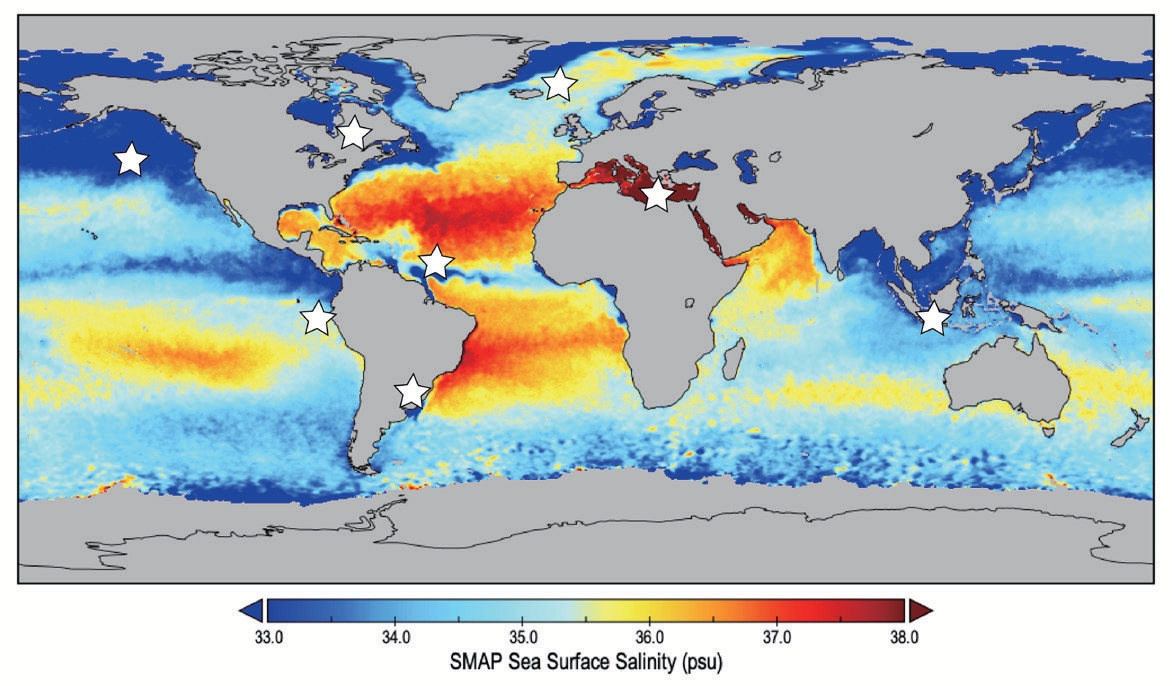
2. Seawater is salty, but salinity varies by region — global surface salinity distribution
Underwater environmental data is critical not only for attackers but also for defenders conducting ASW. Building databases on conditions across the Pacific and Indian Oceans helps analysts predict probable submarine transit routes, improve sonar performance, position seabed sensors optimally and coordinate ship and aircraft ASW assets.
In shallow coastal waters, fixed buoys provide real-time monitoring. Beyond those areas, researchers typically send equipped ships to target locations to measure temperature, salinity, pH, dissolved oxygen (DO), turbidity and conductivity, and to map seafloor topography using acoustic systems. Survey teams deploy manned research vessels alongside underwater drones, unmanned surface vessels (USVs), autonomous underwater vehicles (AUVs) and remotely operated vehicles (ROVs).
Ocean surveys interpret seawater properties together with seafloor structure, geology, resources and climate impacts. Survey capability depends less on ship size than on sensor suites, navigation accuracy, submersible operation experience and data-analysis systems.
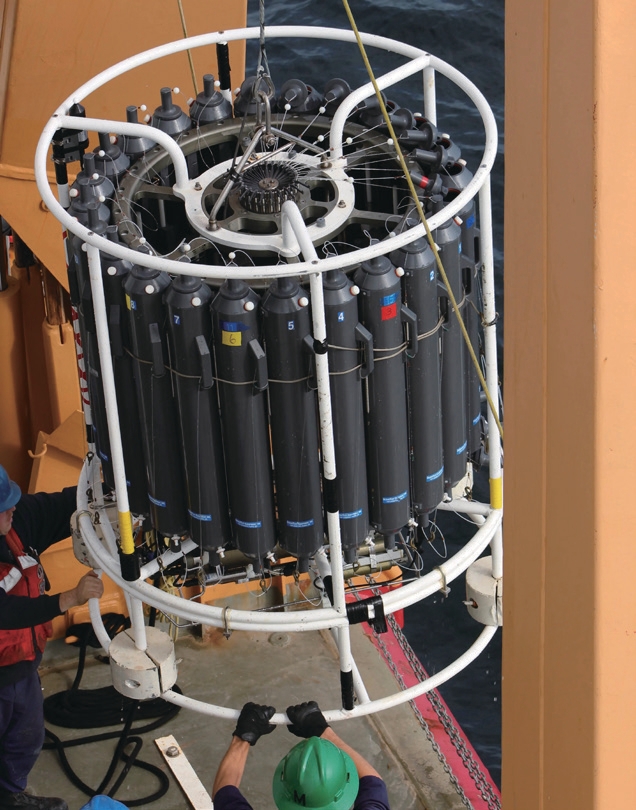
3. CTD device collects water at set depths to measure temperature, salinity and more
China’s intensifying ocean intelligence push
China has strengthened its navy to blunt U.S. influence in the western Pacific. It already exceeds the U.S. in total hulls, and between 2021 and 2025 it commissioned 10 nuclear-powered submarines — outpacing the U.S.’s seven during the same interval. Beijing has accelerated submarine construction while investing heavily in oceanographic and undersea data collection.
Underwater Great Wall and the “transparent sea” strategy
In May 2016, the British defense magazine IHS Jane’s Defense Weekly reported that state shipbuilder China State Shipbuilding Corporation (CSSC) proposed an “Underwater Great Wall” — a seabed sensor network linked to surface ships — to the Chinese military. The system would include seabed passive and active sonars, unmanned underwater vehicles (UUVs) and unmanned surface vessels (USVs).
Richard Fisher, a U.S. China military expert cited by JDW, suggested the Underwater Great Wall would be an upgrade of China’s existing underwater acoustic monitoring systems and speculated the navy might adopt the proposal.
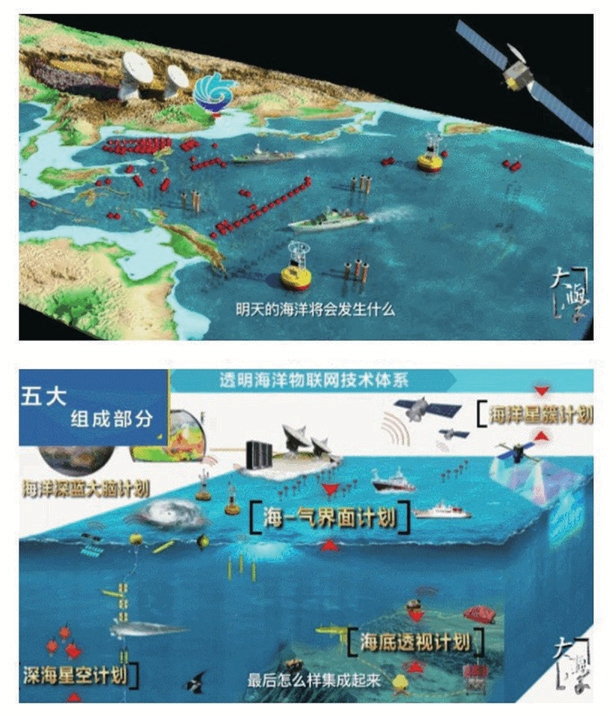
4. Five-layer architecture publicly revealed by Wu Lixin in Dec. 2018
Foreign reports that obtained the information said the proposed system would enable real-time environmental monitoring, tracking of surface and subsurface targets, seismic and tsunami detection, and ocean science research in an integrated fashion. They described a complex defensive architecture that would operate surface vessels, sonar systems, underwater safety gear, oil-exploration equipment, unmanned underwater systems and ocean electronic systems simultaneously.
Some analysts contend China began deploying seabed sonar networks in the South China Sea in the early 2010s. A 2015 RAND report assessing Chinese military weaknesses noted that the PLA recognized shortcomings in fleet air defense, logistics and ASW and that voices inside the military called for capability improvements.
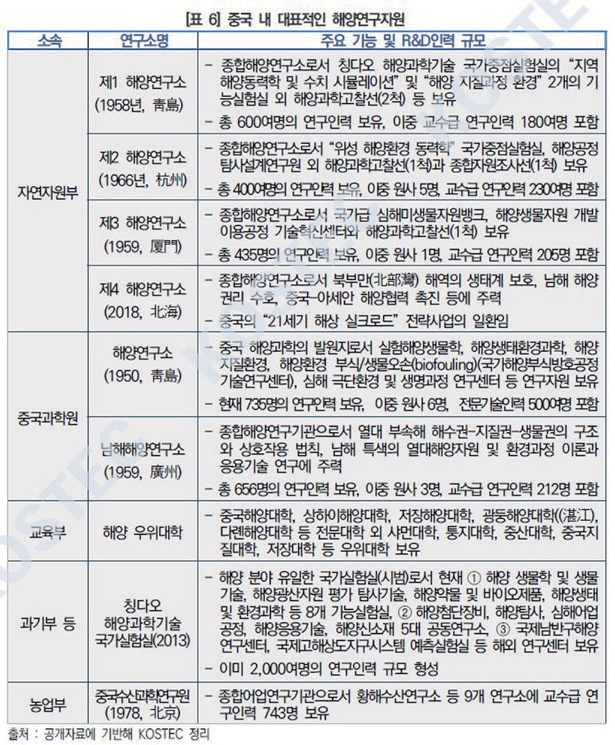
5. China’s major ocean research assets as of 2020
The U.S. outlet The National Interest noted in May 2016 that China’s state ocean-agency journal emphasized the dual civilian-military importance of a new underwater observation system in a 2015 article.
According to Taiwan’s naval journal Naval Affairs in August 2015, China added an ocean component to its national technology R&D program known as the “863 Program” in 1996. The Chinese Academy of Sciences’ Acoustics Institute began researching fiber-optic acoustic surveillance and installed a test system near Qingdao in 2005. Because the Yellow Sea’s shallow depth limited effectiveness there, researchers opened a test site in Hainan in April 2009 and completed system deployment in the South China Sea in January 2010. Analysts say this materially improved China’s ability to analyze submarine acoustic sources — bearing, range, depth and signature — boosting ASW capacity in the region.
In June 2017, Taiwanese media reported Zhejiang province displayed a prototype seabed observation system in 2016. A naval research official told a local paper that sonar arrays had been installed at depths of 1,500–2,000 meters and, under favorable conditions, could detect targets at roughly 10 kilometers.
The official added that deploying these sonars in chokepoints such as the Bashi Channel would likely prevent Virginia-class U.S. nuclear submarines from transiting the South China Sea undetected. If accurate, China would have deployed a system comparable to the U.S. Cold War SOSUS acoustic surveillance network.
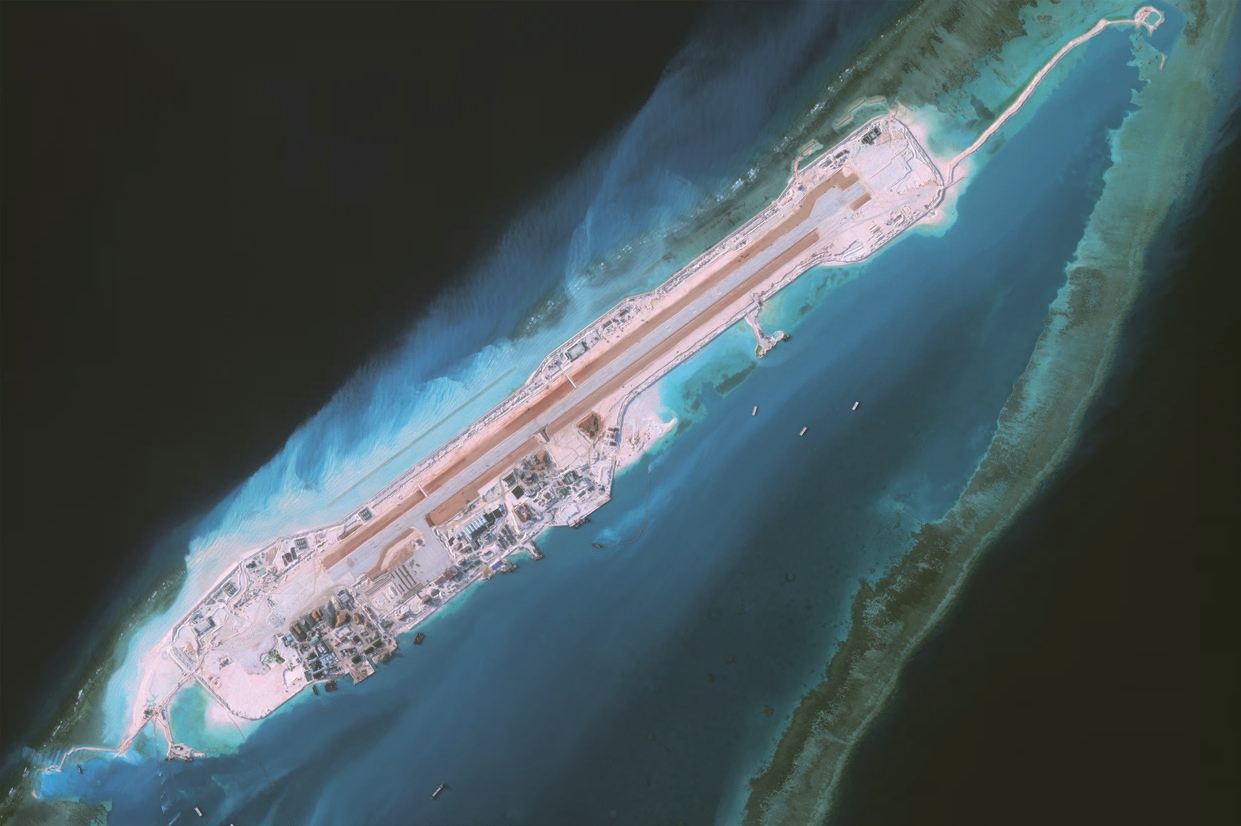
6. China has built an Underwater Great Wall along with artificial islands in the South China Sea
The evidence suggests China’s Underwater Great Wall resembles SOSUS (SOund SUrveillance System), the Cold War-era U.S. underwater acoustic network deployed to monitor Soviet nuclear submarines across the Atlantic and Pacific.
China is installing the Underwater Great Wall inside its so-called first island chain — from Japan’s Kyushu to Taiwan, the Philippines’ Luzon and Palawan, and Indonesia’s Borneo — to detect and deter U.S. submarine forces.
China’s ocean intelligence effort goes beyond the Underwater Great Wall. On Oct. 15, 2025, Defense One reported Beijing was testing a five-layer seabed-to-space sensor architecture known as the “transparent sea” strategy to assess U.S. and allied submarines’ maneuver and concealment capabilities.
Beijing is assembling a mature, automated “kill web” across multiple oceans and has organized it into five layers. Those layers are:
1) Ocean constellations (space)
A satellite swarm centered on the Guanlan interferometric radar altimetry and ocean-profiling lidar system. This layer provides wide-area surveillance and flags locations for the lower layers to focus on.
2) Air–sea interface (surface/near-surface)
Smart buoys, wave gliders and unmanned surface vessels positioned across major straits and continental shelves sample the upper ocean, act as key routers, and convert slow underwater acoustic packets into high-bandwidth satellite or cellular bursts for shore transmission.
3) Starry underwater (subsurface layer)
Deep-sea floats, long-range gliders and autonomous underwater vehicles patrol below the mixed layer for weeks, profiling the ocean environment and towing acoustic payloads. They fill gaps identified by the orbital layer.
4) Seafloor outlook (seabed)
The grid’s backbone. Observatories and hubs linked by seabed cables host passive arrays, precision clocks and navigation beacons. They provide docking, data offload and recharging for visiting vehicles, letting unmanned submarines wait and reposition quietly without surfacing. That extends patrol endurance and reduces exposure for submarines.
5) Deep Blue Brain (data fusion)
The command layer that fuses data and coordinates sensing. It integrates space, air, land and seabed data into mission and decision-support hubs ready for immediate use by combat networks.
The five-layer architecture for the “transparent sea” traces to a concept published in December 2018 by Wu Lixin, then vice president of Ocean University of China and director of the Qingdao National Laboratory for Marine Science and Technology.
Wu said in December 2018, “This concept aims to understand what is happening and what will happen in today’s oceans. Based on that understanding, we can secure a leading position in future ocean development and management. This requires integrated observations across air, space, land and sea, built on five core elements: satellite observation, seabed observation, underwater observation, seafloor observation and ocean observation. The ultimate goal is to fuse these datasets, use big data, supercomputers and digital models, and improve predictive capability.”
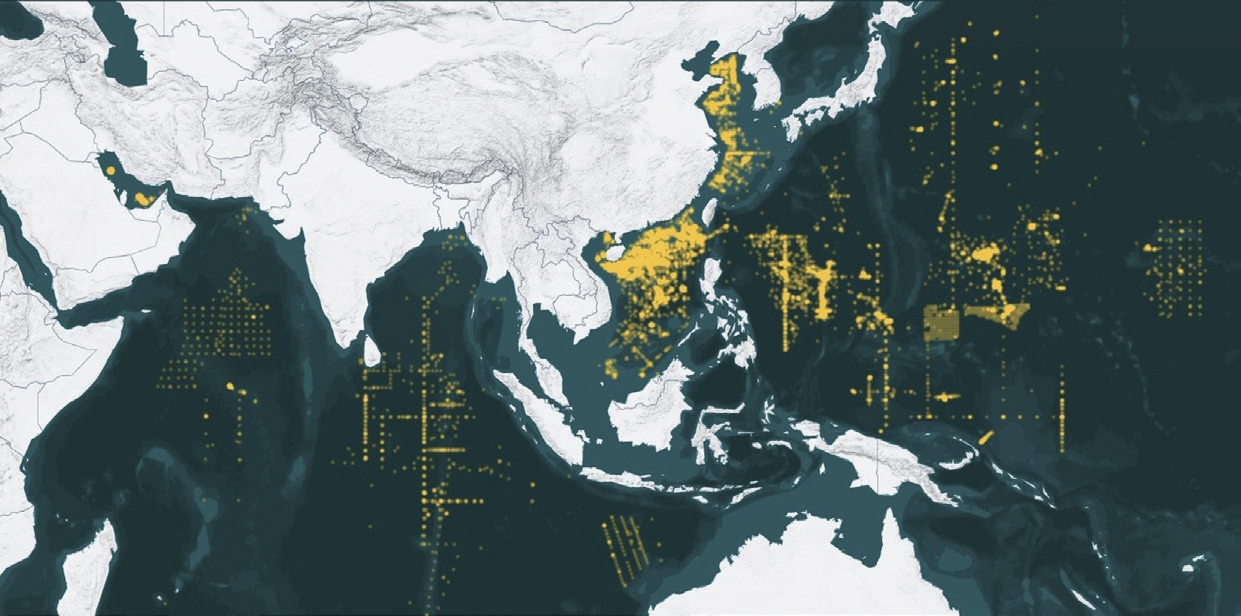
7. CSIS-tracked Chinese ocean survey activity, 2020–present
China’s recent aggressive undersea exploration
Recently, analysts detected China expanding seabed mapping and surveillance operations well beyond the South and East China Seas to a global scale.
On March 24, 2026, Reuters reported that China conducted extensive seabed survey and surveillance missions across the Pacific, Indian and Arctic Oceans. Reporters reviewed Chinese government and university documents, academic papers and research reports, and analyzed more than five years of movement data for 42 research vessels operating in those oceans using Starboard Maritime Intelligence’s ship-tracking platform.
A notable example is Ocean University of China’s research vessel Dong Fang Hong 3, which repeatedly sailed near Taiwan, around the U.S. strategic outpost Guam, and to strategic points in the Indian Ocean between 2024 and 2025. In October 2024 the ship inspected high-performance ocean sensors near Japan capable of detecting underwater objects and returned to the same site in May. In March 2025 it conducted a grid survey between Sri Lanka and Indonesia, probing approaches to the Malacca Strait, a key route for international maritime trade.
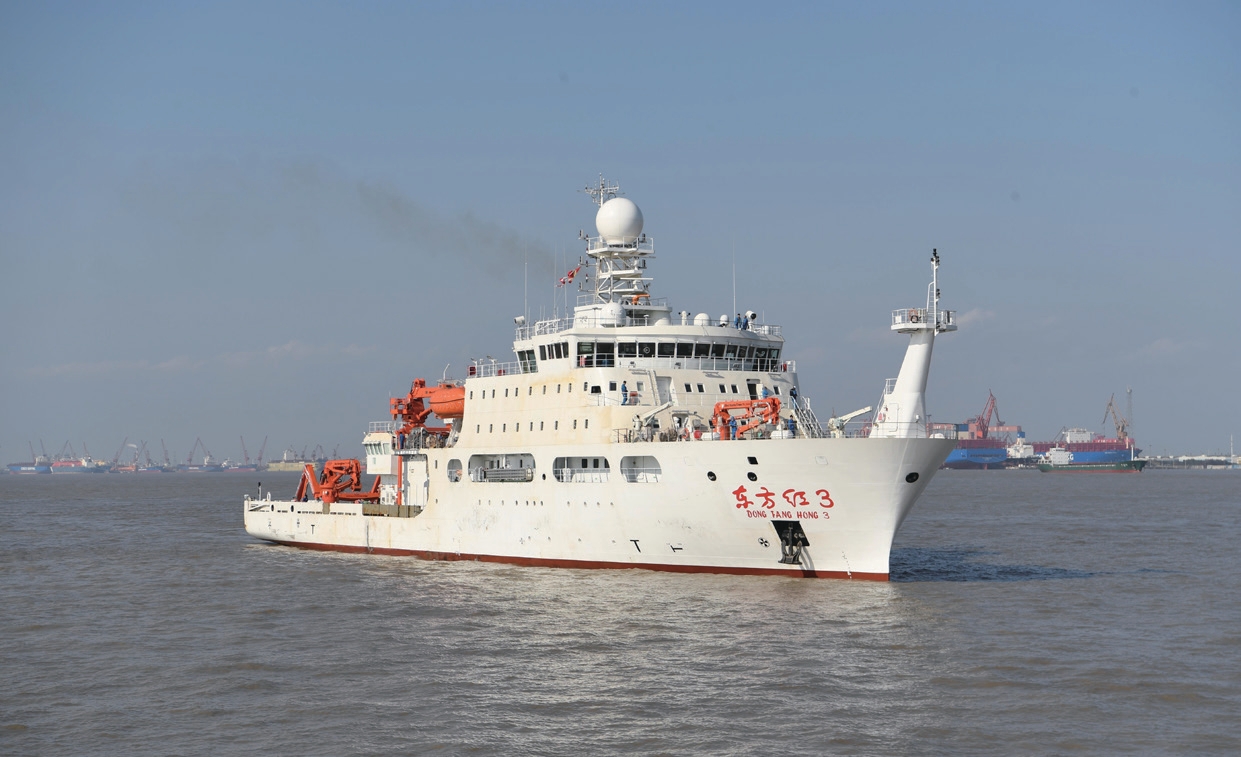
8. Dong Fang Hong 3 observed seafloor features around Taiwan and Guam in 2024–2025
Nine naval experts who reviewed Reuters’ findings concluded these missions served both civilian and military purposes. The research vessels repeatedly ran closely spaced parallel tracks — a classic seafloor-mapping pattern — across wide stretches of the Pacific, Indian and Arctic Oceans. At least eight tracked ships performed seafloor mapping, and ten carried mapping equipment. Experts told Reuters the accumulated oceanographic database could play a decisive role in submarine warfare against the U.S. and its allies.
Ryan Martinson, an associate professor at the U.S. Naval War College who studies Chinese maritime strategy, told Reuters, “China’s scale of ocean science research is frankly astonishing. For decades the U.S. Navy enjoyed an asymmetric advantage in ocean battlefield knowledge, but China’s efforts are eroding that lead, and that is a serious concern.”
Outlets citing Reuters noted the continuously updated datasets include seafloor topography, temperature, salinity and current patterns — all factors that directly affect submarine movement and sonar performance. While climate studies and sediment sampling serve civilian ends, the same data can be applied to military uses immediately.
Analysts raised alarms that the Chinese government mobilized not only military assets but also universities and other civilian resources. Since Xi Jinping’s rise, Beijing has pushed a “civil-military fusion” policy that blends civilian scientific research with military technology development. Jennifer Parker, a defense and security adjunct at the University of Western Australia and a former Australian ASW officer, told reporters, “What they are doing goes beyond mere resource collection. The sheer scale shows intent to build a blue-water navy capable of sustained submarine operations.” She warned that even if data collection claims a scientific purpose, civil-military fusion makes military reuse difficult to prevent under Xi’s policies.
Prior to the Reuters report, in January 2024 the Center for Strategic and International Studies (CSIS) analyzed Chinese ocean-survey missions since 2020 and identified 64 active research and survey vessels. CSIS used the Windward Intelligence Platform to analyze maritime activity and concluded Chinese survey ships logged hundreds of thousands of operational hours worldwide over a four-year period.
China continued seabed operations after the Reuters story. In late March 2026, about a week after the initial report, Japan said it detected the Chinese survey ship Xiangyanghong 22 (under the Ministry of Natural Resources) deploying seabed sensors inside Japan’s exclusive economic zone (EEZ) near the Senkaku Islands. The vessel reportedly dropped ocean-observation equipment on March 30 about 37 nautical miles northwest of Uotsuri Island despite Japanese warnings. Tokyo described the activity as part of a broader Chinese effort to collect hydrological and acoustic data to support submarine operations, ASW and seabed surveillance across the first island chain.
Japan had earlier protested the vessel’s activity after observing it operating west of Amami Oshima’s EEZ in September 2025, and previous reports linked it to buoy drops near the Senkaku and Daito islands and north of Okinotorishima.
Under international law, Article 246 of the U.N. Convention on the Law of the Sea (UNCLOS) requires coastal-state consent for marine scientific research within an EEZ, and Tokyo says the Chinese activity violated that rule.
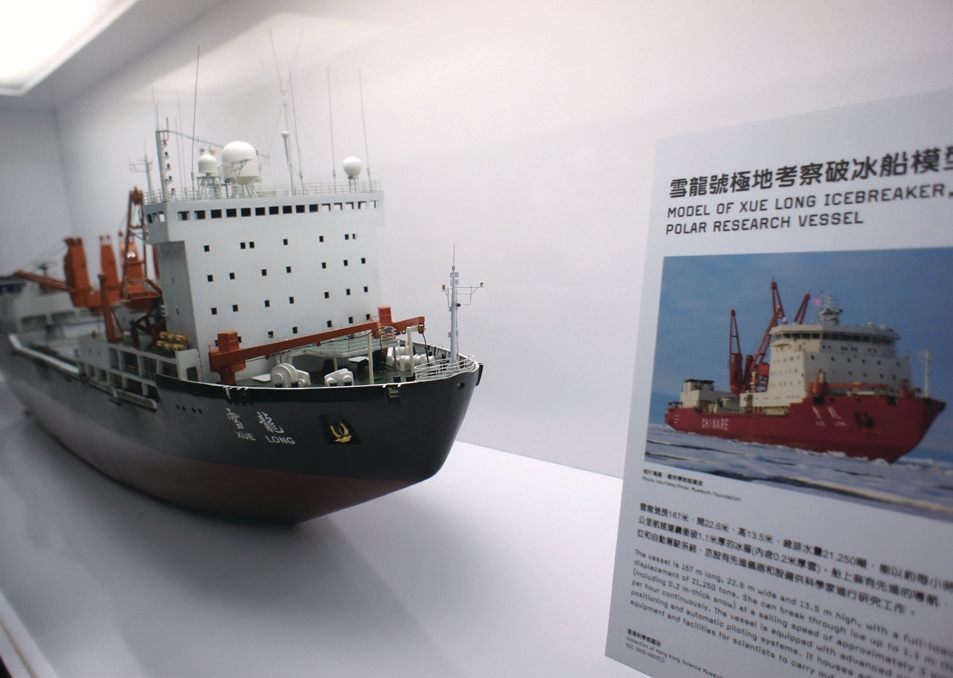
9. China is increasing icebreaker research vessels for Arctic and Antarctic expeditions
China’s ocean survey capabilities
Chinese organizations conducting ocean surveys include Chinese Academy of Sciences (CAS) marine research institutes, the Ministry of Natural Resources (MNR) marine survey system, state-owned energy companies and maritime universities. Under CAS are the Institute of Oceanology (founded 1950 in Qingdao), the South China Sea Institute of Oceanology (1959, Guangzhou), the Institute of Deep-Sea Science and Engineering in Sanya, Hainan, and the Qingdao National Laboratory for Marine Science and Technology (QNLM). The navy’s submarine school publicly affirms close cooperation with China’s major marine research institutions.
The Ministry of Natural Resources was established in March 2018 at the 13th National People’s Congress, absorbing functions from the former Ministry of Land and Resources, the State Oceanic Administration (SOA) and the National Administration of Surveying, Mapping and Geoinformation. Four research institutes previously under the SOA now operate directly under MNR.
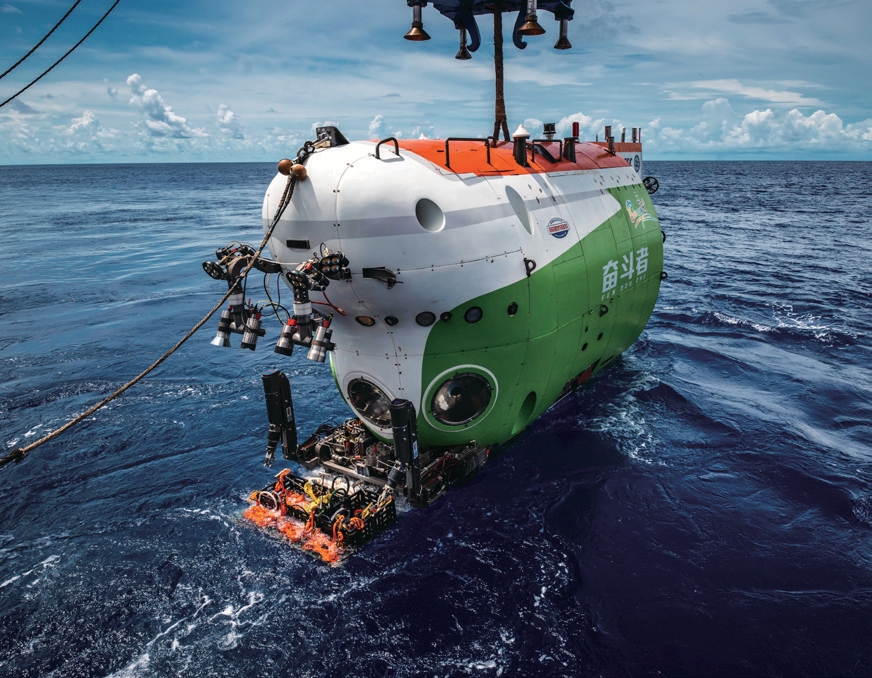
10. China owns deep-sea submersibles essential for deep-ocean exploration
The Institute of Oceanology encompasses regional marine institutes in Qingdao (1st), Hangzhou (2nd), Xiamen (3rd) and Beihai (4th). Leading universities include Ocean University of China in Qingdao, Zhejiang Ocean University, Guangdong Ocean University and Dalian Ocean University. State oil companies such as China National Offshore Oil Corporation (CNOOC) develop and operate exploration equipment. China’s survey capabilities have rapidly matured by combining ultra-deep submersibles, large research ships, seafloor seismic and resource survey gear and national-level marine research institutions.
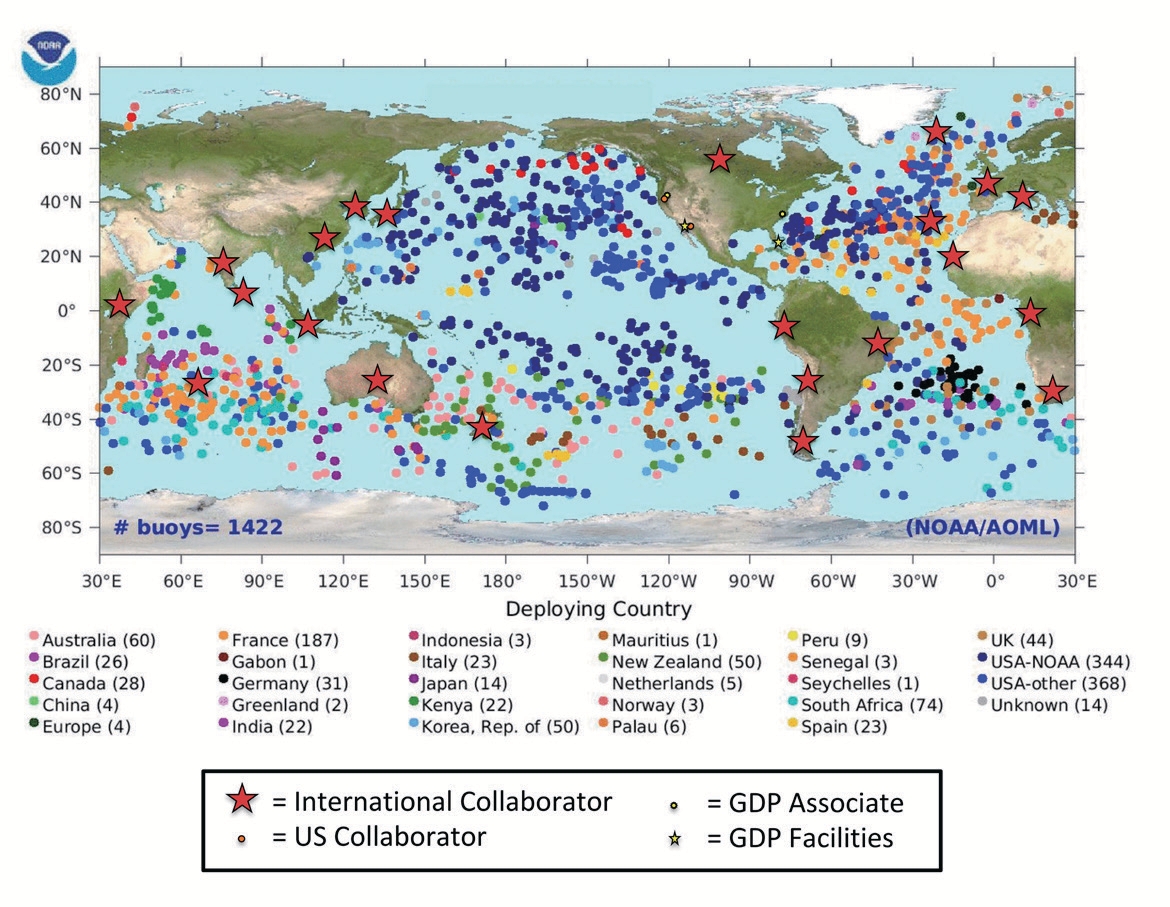
11. NOAA works in partnership with many research institutes worldwide
U.S. and Japanese seabed capabilities
United States
Analysts often contrast China as a continental power focused on territory and ground forces with the United States, historically a maritime power oriented toward sea trade and naval strength. That national character has driven diverse ocean research in the U.S. for decades. NOAA (National Oceanic and Atmospheric Administration), part of the Commerce Department, plays a central role in U.S. oceanographic research, providing ocean services, surveys, seafloor mapping and climate and ocean data collection.
NOAA conducts long-term observation and mapping programs through the National Ocean Service and the Office of Oceanic and Atmospheric Research. During the Trump administration, proposals to cut more than 2,000 federal positions disrupted some research programs.
The U.S. Geological Survey (USGS) and the Bureau of Ocean Energy Management (BOEM) also conduct seafloor studies. The Navy Research Laboratory (NRL) handles military ocean-survey research. While NOAA focuses on civilian and scientific observation, NRL advances technologies with clear military applications.
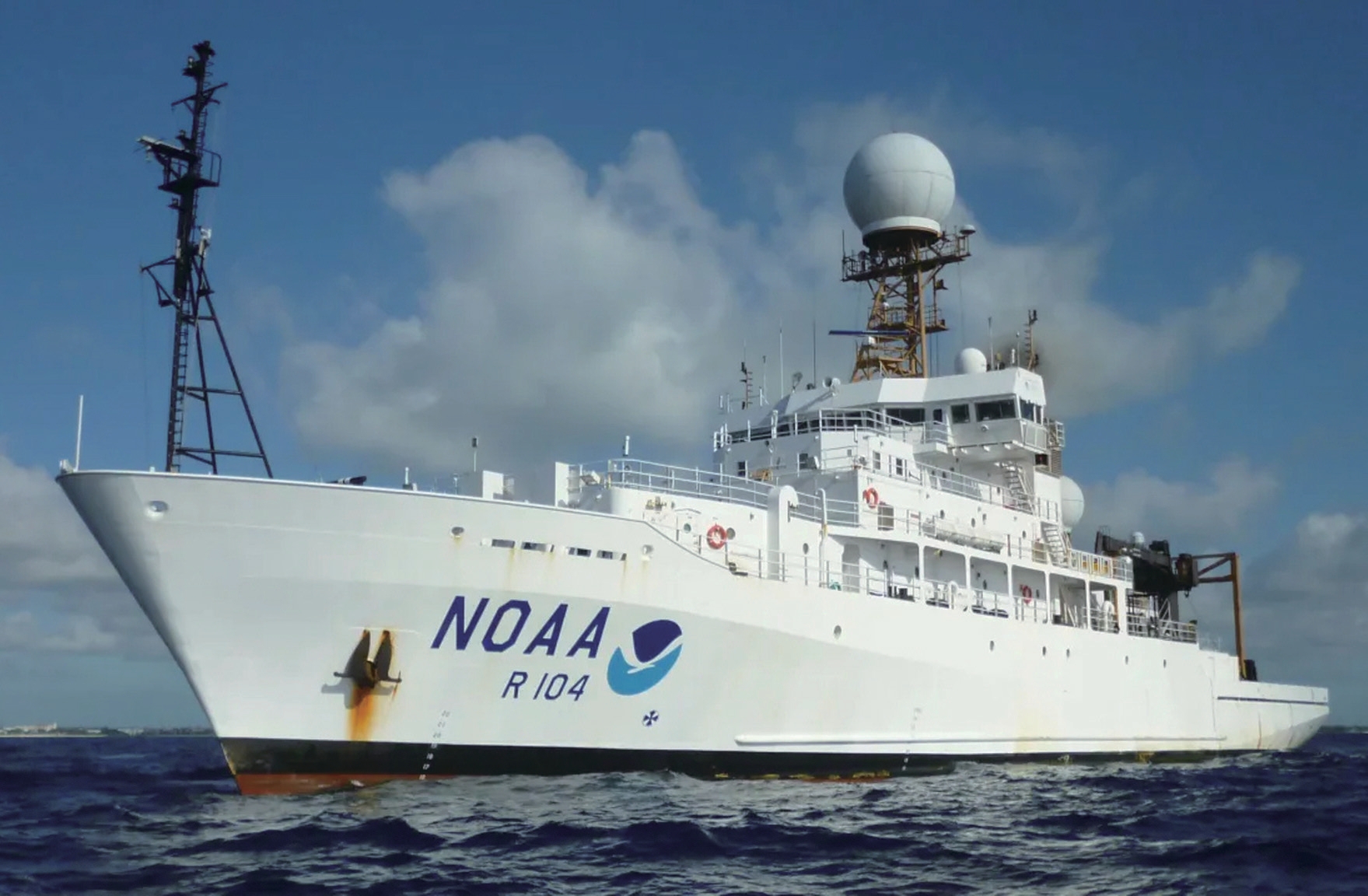
12. NOAA research vessel Ronald H. Brown
Institutions such as the Scripps Institution of Oceanography and the Monterey Bay Aquarium Research Institute (MBARI) lead U.S. capabilities in long-term ocean observation, deep-sea ecology and sensor development. Universities comparable to China’s Ocean University include MIT, the University of Washington, UC San Diego, the University of Rhode Island and Texas A&M.
The U.S. runs diverse assets across many research organizations and continues to operate underwater gliders and other platforms worldwide to monitor ocean data.
Japan
As an island nation and maritime power, Japan invests heavily in ocean research. JAMSTEC (Japan Agency for Marine-Earth Science and Technology) leads that work; established in 1972 and based in Yokosuka, Kanagawa, JAMSTEC operates multiple research institutes, six medium-to-large research vessels and a manned submersible.
Other contributors include the Japan Coast Guard, university labs, geological and seismic research institutes, and parts of the Japan Maritime Self-Defense Force, which together provide broad ocean-information collection capabilities. Japan pursues practical surveys — seafloor mapping, tsunami and earthquake monitoring, resource surveys and EEZ studies — alongside scientific exploration.
Universities such as Tokyo University of Marine Science and Technology, Kagoshima University’s marine science department and Hokkaido University also collect ocean data, but Japan rarely channels such research into military use to the extent China does.
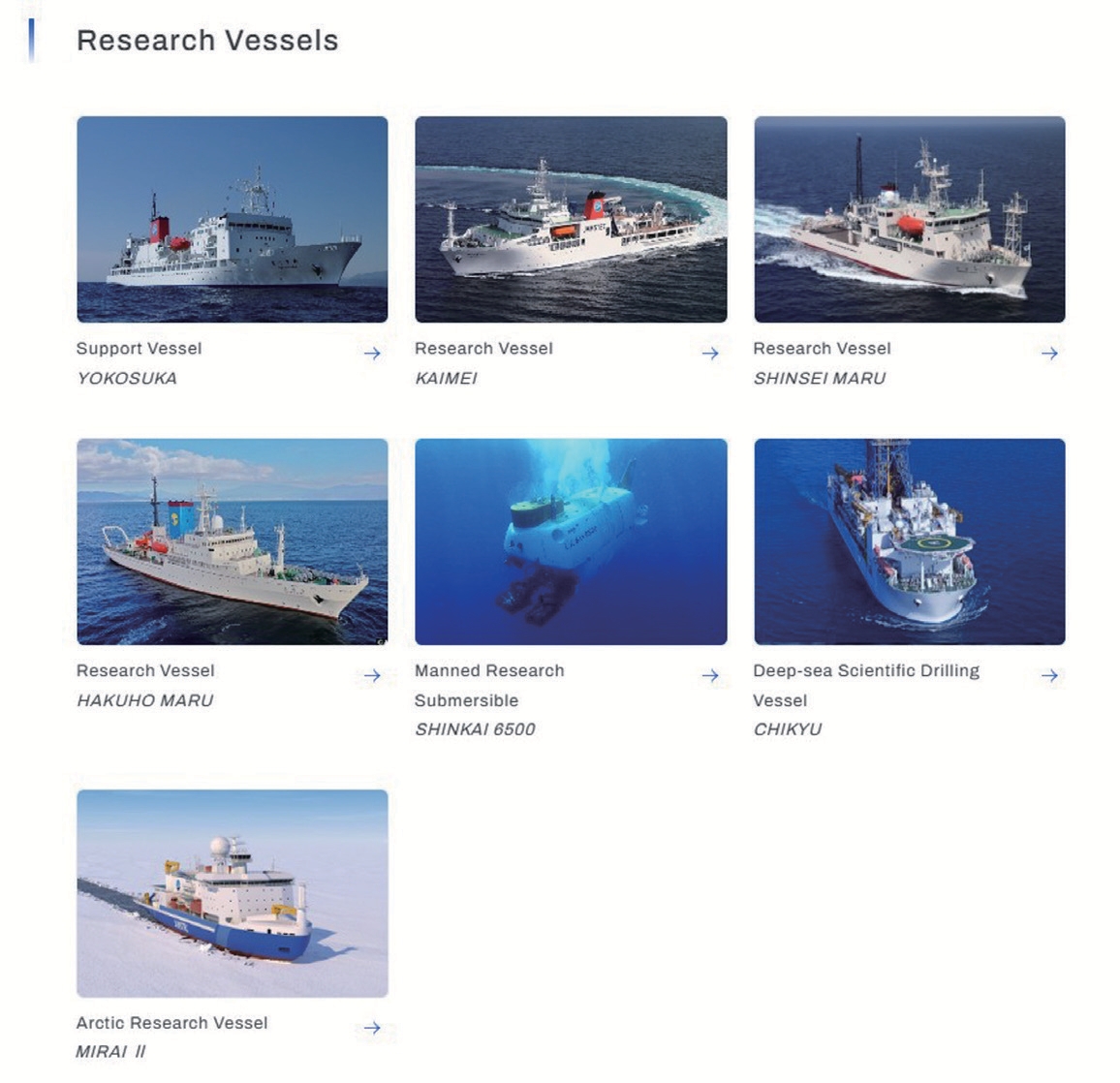
13. JAMSTEC research vessels
South Korea’s shortcomings
South Korea, surrounded by sea on three sides, also needs robust ocean intelligence to respond to neighboring naval forces. China has already threatened Korea’s maritime interests by placing observational buoys in international waters near the West Sea provisional measures zone (PMZ). As China conducted unauthorized observations in Japan’s EEZ, it could carry out similar activity in Korean waters at any time.
In Korea, the Korea Institute of Ocean Science & Technology (KIOST), under the Ministry of Oceans and Fisheries, plays the central role in ocean data collection. KIOST operates five research vessels, but only Isabu (5,894 tons), Onnuri (1,370 tons) and Ieodo 2 (732 tons) are capable of sustained operations on the high seas — a shortfall compared with neighboring countries. The Korea Institute of Geoscience and Mineral Resources (KIGAM) and the Korea Polar Research Institute (KOPRI) also conduct related research.
An additional research asset is naval intelligence ships. The Defense Ministry plans to introduce two ocean-intelligence vessels under the AGX-III program between 2026 and 2035. AGX-III’s primary missions include North Korean missile tracking and signals intelligence (SIGINT) collection, but the vessels will also gather ocean-environment data.
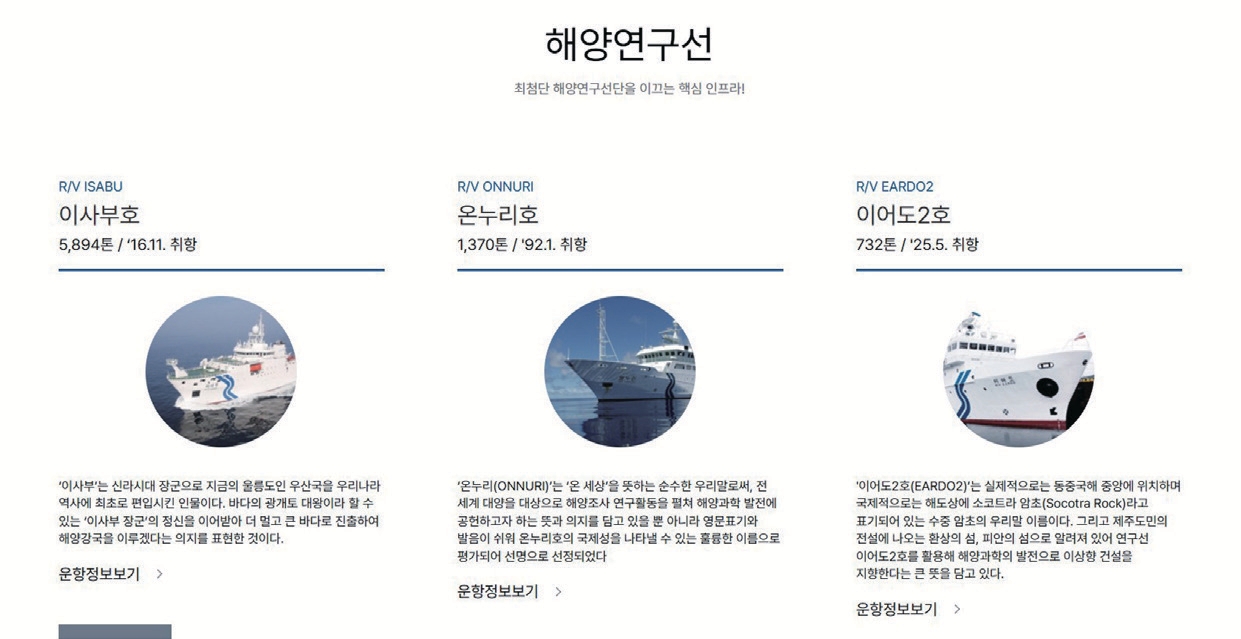
14. KIOST has only three research vessels over 500 tons
The Republic of Korea Navy has collected underwater acoustic data via ocean-intelligence ships, but seafloor-mapping capacity remains limited. AGX-III will operate USVs and UUVs to expand surface and subsurface collection, but it will not replace a dedicated oceanographic research vessel for sustained observation missions.
To close these gaps, civilian, public and military organizations must adopt policies to manage dual-use data and build networks for secure information sharing.















Most Commented