
Government’s Game-Changer: What the New Drone Procurement Marketplace Means for Hybrid Drones in 2026
Daniel Kim Views
Translation result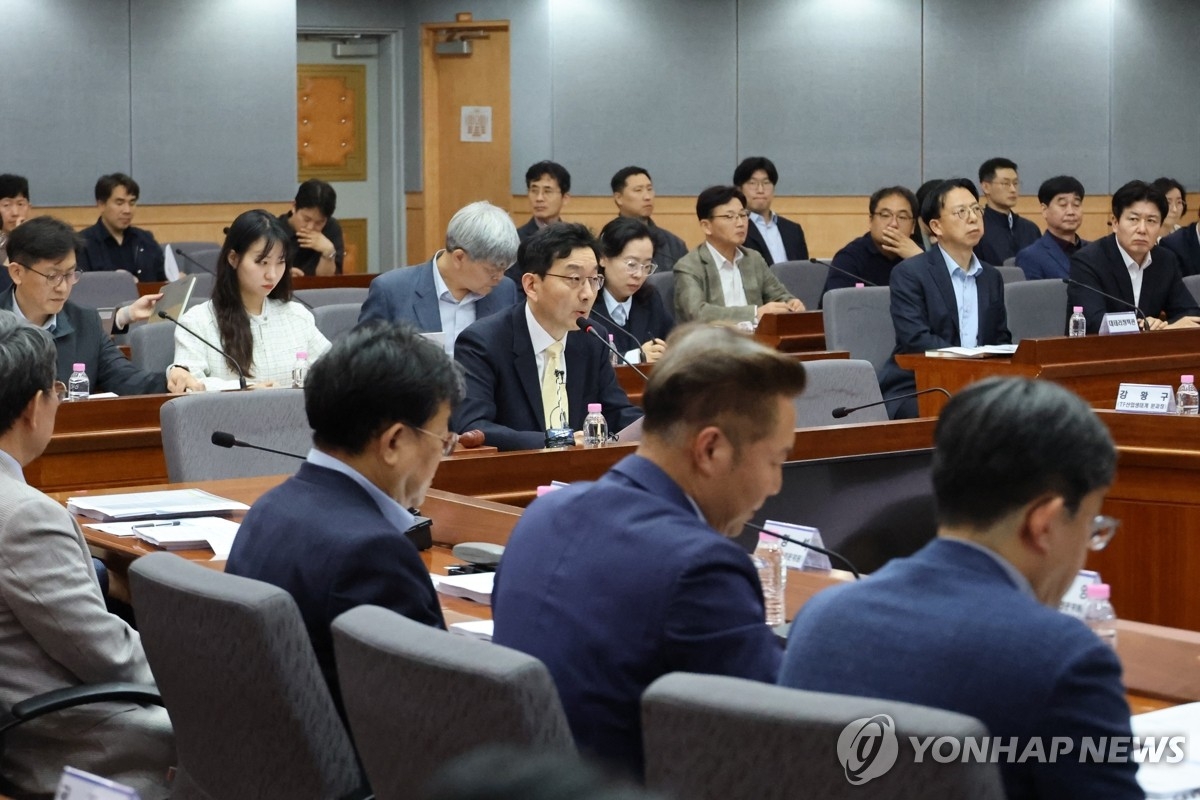 The government will fully roll out a “standard procurement marketplace” to build an open drone ecosystem — a capability officials describe as a game changer in modern warfare.
On May 7, the Office for Government Policy Coordination convened the third meeting of the Government Drone and Counter-Drone Integrated Task Force at the Government Complex Seoul and approved a package of policy measures centered on the marketplace.
The marketplace will be a one-stop digital platform where authorized agencies can compare parts and modules that have passed certification under K-MOSA (standardization for series and modularization of defense unmanned systems) and place orders online instantly. The goal is to shorten development cycles and nurture an ecosystem capable of low-cost, mass production.
The Office said Korea’s drone and counter-drone industries currently develop systems to proprietary standards, creating heavy vendor dependence and limited interoperability. That structural weakness hinders rapid adaptation to fast-changing technologies and threats. To address the problem, officials plan to break vendor lock-in and introduce interoperable, replaceable systems.
The government also completed scenario analyses of evolving security threats, including hybrid drones, and will use those findings to establish a National Drone and Counter-Drone Strategy that consolidates each ministry’s response within the national integrated defense framework.
To eliminate duplicated R&D in the public and private sectors, authorities will build an artificial intelligence (AI) technology support platform and set up a digital twin–based virtual-to-physical validation and test system.
On the industry side, the plan aims to create stable public demand to spur growth, operate an interagency export support mechanism, and run a centralized data portal to help domestic firms expand into global markets.
In law and regulation, the government will pursue legislative revisions to consolidate legal authorities and will rationalize radio-frequency and flight rules to establish a flexible regulatory foundation that keeps pace with technological advances.
A government official said leaders recognize the urgency in the drone and counter-drone sectors and have focused on building integrated governance: identifying public demand to nurture the industrial ecosystem, expanding test ranges for timely validation, and creating clusters to accelerate system deployment and strengthen national security and industrial competitiveness.
Yoon Chang-ryeol, head of the Office for Government Policy Coordination, urged ministries to tear down interdepartmental barriers and cooperate under the finalized implementation plan, noting that previously fragmented policies have been consolidated into a single integrated roadmap.
He added that the success of these policies depends on rigorous follow-through: officials must monitor implementation continuously, remove obstacles immediately, and deliver tangible results that the public can see and feel.















Most Commented