
Translation result
|
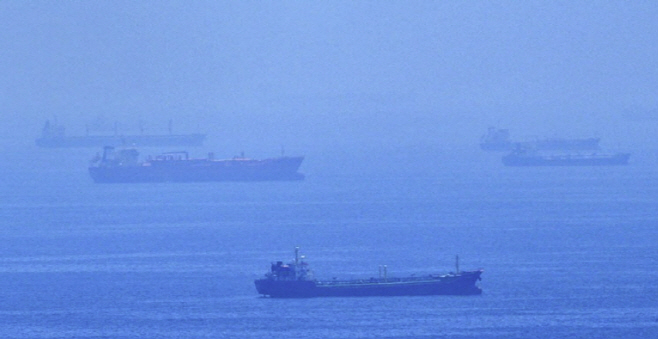
South Korea’s National Intelligence Service (NIS) warned that terrorist threats could intensify this year amid fallout from the Middle East war, increasing the risk of lone-wolf attacks. An explosion aboard a South Korean-operated vessel in the Strait of Hormuz on May 4 has heightened those security concerns. The NIS also expects threats against major international events and anticipates more sophisticated methods as artificial intelligence (AI) tools advance. It warned of “emulation-style” attacks in which socially marginalized individuals encounter rapidly spreading online terror content and then attempt to replicate it.
The NIS said in a report titled “Terror Trends in 2025 and Outlook for 2026” that demographic shifts, deeper social conflict, the rise of self-aggrandizing low-intensity attacks, and the spread of violent extremism are likely to sustain terrorism-related activity. The agency expressed concern that some people who made false terror threats last year—often motivated by a desire for attention or to vent anger—might escalate to actual attacks as similar incidents recur and public interest wanes.
The NIS warned that the Middle East conflict, combined with propaganda and incitement from extremist groups such as ISIS and al‑Qaeda, could further intensify related terrorist activity. It flagged the global increase in lone-wolf incidents and said those trends could surface domestically as low-cost attacks such as arson or stabbings. A lone-wolf attack is carried out by an individual who radicalizes on their own and acts without direct support from an organization.
The agency also pointed to the unchecked spread of violent incitement, racist material, and religiously discriminatory content on online platforms as a driver of increased risk. Intelligence indicates groups including Hezbollah and Houthi militants have been using AI-generation tools and automatic translation to push “tailored propaganda” online. The NIS warned that repeated exposure to such material among socially isolated populations or youth could lead to admiration-driven attacks. It cited a 2014 case in which an 18-year-old identified only by the surname Kim disappeared near the Turkey–Syria border and later was found to have joined ISIS voluntarily.
The report also raises concerns about new attack methods that leverage advanced technologies such as drones and AI. The NIS said autonomous vehicles, robotics and other emerging commercial technologies could be repurposed as terrorist tools. It warned that threats could spike around major international sporting events—citing World Cup fixtures in North/Central America in June and September and the Aichi–Nagoya Asian Games as periods of elevated risk.
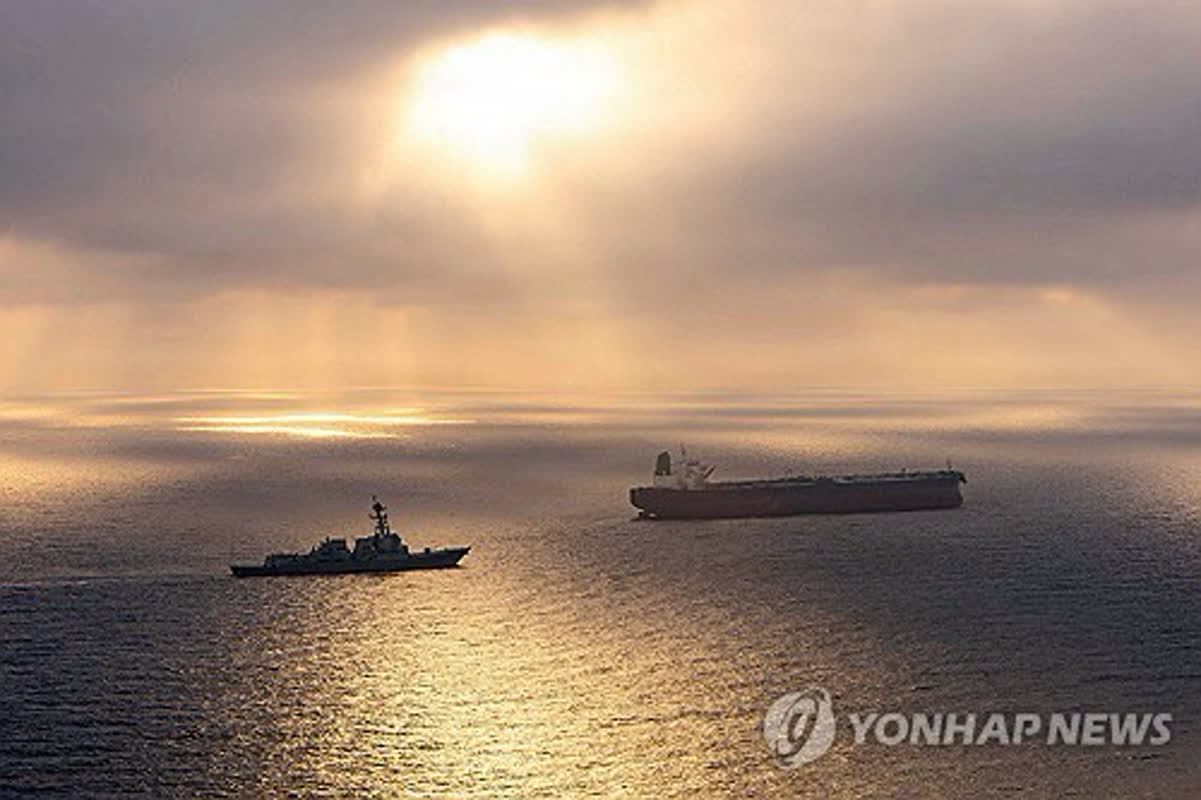
The NIS’s alert, coupled with the explosion aboard a South Korean-operated ship in the Strait of Hormuz, underscores how the Middle East situation could affect domestic security. U.S. President Donald Trump said after the incident that Iran had fired multiple times toward vessels from unrelated countries, including South Korean freighters, in connection with what he called the “Liberation Project” (a U.S. military operation to free ships in the Strait of Hormuz). The Blue House, however, said on May 6 that the damaged ship showed no flooding or list and that it could not confirm whether the vessel had been hit.
The NIS stressed that even if South Korean athletes and supporters abroad are not direct targets, they could still become collateral victims in an attack, making anti-terror safety measures essential. Domestically, the agency noted a sharp rise in illegal drone flights and pointed to recent incidents in Europe—where repeated sightings of unidentified drones forced airport closures and flight cancellations—as reasons to prepare for similar disruptions at home.










Most Commented