
Trump Rejects Iran’s Peace Proposal: What Does This Mean for Global Security in 2026?
Daniel Kim Views
Translation result
[Point Economy] President Donald Trump rejected Iran’s peace offer outright, signaled possible further military action, and formalized plans for a major drawdown of U.S. forces in Germany, rattling the global security order.
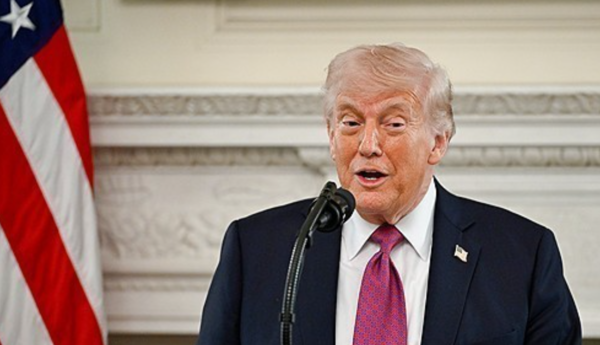
On the 2nd (local time), before boarding Air Force One, Trump told reporters he would review Tehran’s 14-point peace proposal. He quickly rejected it on social media, saying, “They have not yet paid enough for what they’ve done over the last 47 years.”
Iran’s offer included a U.S. troop withdrawal, lifting a blockade of the Strait of Hormuz and sanctions relief. Washington has held to a hard line, saying it will not end the conflict without a firm agreement that prevents Iran from acquiring nuclear weapons. Speaking in Florida, Trump warned that if Iran acts wrongly, “we will consider new military measures,” leaving open the possibility of additional strikes.
The tensions have spilled into NATO, the cornerstone of European security. According to the BBC and other outlets, Trump said the same day he plans to cut U.S. forces in Germany by far more than 5,000 troops. Observers viewed the move as retaliatory after German Chancellor Friedrich Merz called U.S. negotiations with Iran “a humiliation.”
Germany and NATO expressed alarm. In an interview on the 3rd, German Defense Minister Boris Pistorius called the decision predictable but reiterated the importance of U.S. forces stationed in Germany. Polish Prime Minister Donald Tusk warned that the greatest threat to the Atlantic community is the steady unraveling of the alliance, calling the trend disastrous.
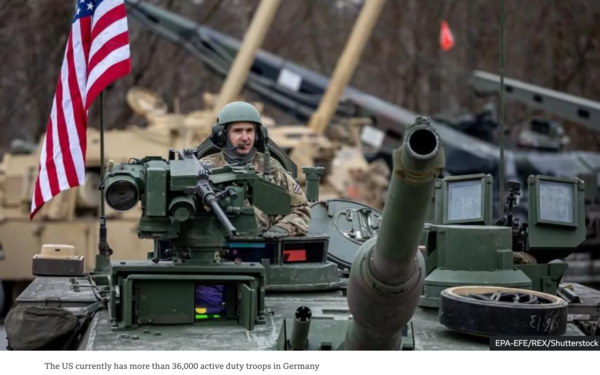
The United States currently stations more than 36,000 active-duty troops in Germany, the largest U.S. presence in Europe. Trump has also hinted at withdrawing forces from Italy and Spain as he openly outlines plans to shift America’s military focus toward the Indo-Pacific.
Under Chancellor Merz, Germany increased defense spending to about 3.1% of GDP, raising it to €105.8 billion (approximately $113.21 billion), but that commitment has not deterred Trump’s push to withdraw forces. NATO spokesperson Allison Hart urged member states to step up defense investment, saying, “Europe must take greater responsibility for its own security.”
U.S. unilateral moves have pushed tensions in the Strait of Hormuz to a peak, and international oil prices remain roughly 50% higher than before the conflict, weighing on global growth. The U.S. government has warned shipping companies that pay transit fees it will impose sweeping sanctions — including targeting digital assets — and has stepped up pressure on Iran.















Most Commented