
US Defense Department in Crisis: Will Secretary Hegseth Survive Amidst Military Leadership Shake-Up?
Daniel Kim Views
Translation result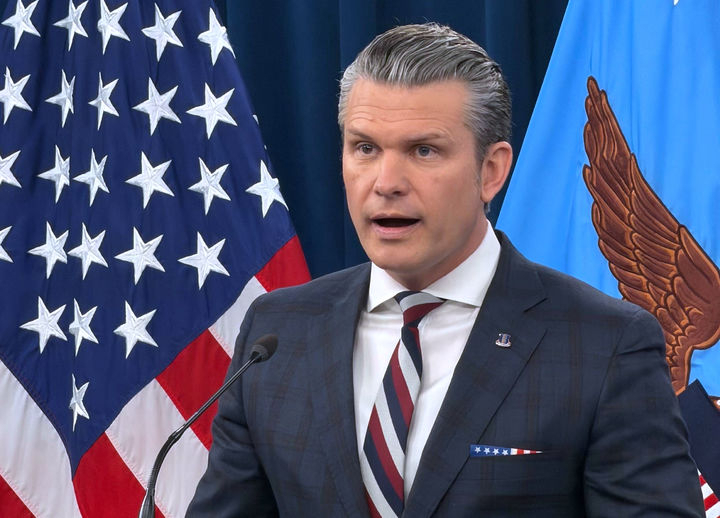 [Herald Economy=Reporter Seo Ji-yeon] As the U.S. confrontation with Iran drags into a protracted phase, partisan and internal disputes inside the Department of Defense are intensifying, raising fresh concerns about wartime command continuity. Even some Republicans are publicly questioning Defense Secretary Pete Hegses’s leadership, placing the Trump administration’s national security team under a structural stress test.
The Hill reported on the 27th (local time) that several Republican senators told the outlet any renomination of Secretary Hegses would face a tough confirmation fight. Some lawmakers have suggested he should resign, but the decision ultimately rests with President Donald Trump.
What began as personnel controversy has escalated into a debate over the stability of the wartime command system — driven primarily by a wave of senior military changes during an active conflict. Hegses pressured Army Chief of Staff Randy George to step down, then dismissed Navy Secretary John Fallon. In short succession, leaders including Joint Chiefs Chairman Charles Brown, Chief of Naval Operations Lisa Franchetti, Defense Intelligence Agency Director Jeffrey Cruz and Air Force Chief of Staff James Slife were replaced, sharply unsettling the Pentagon’s leadership lines.
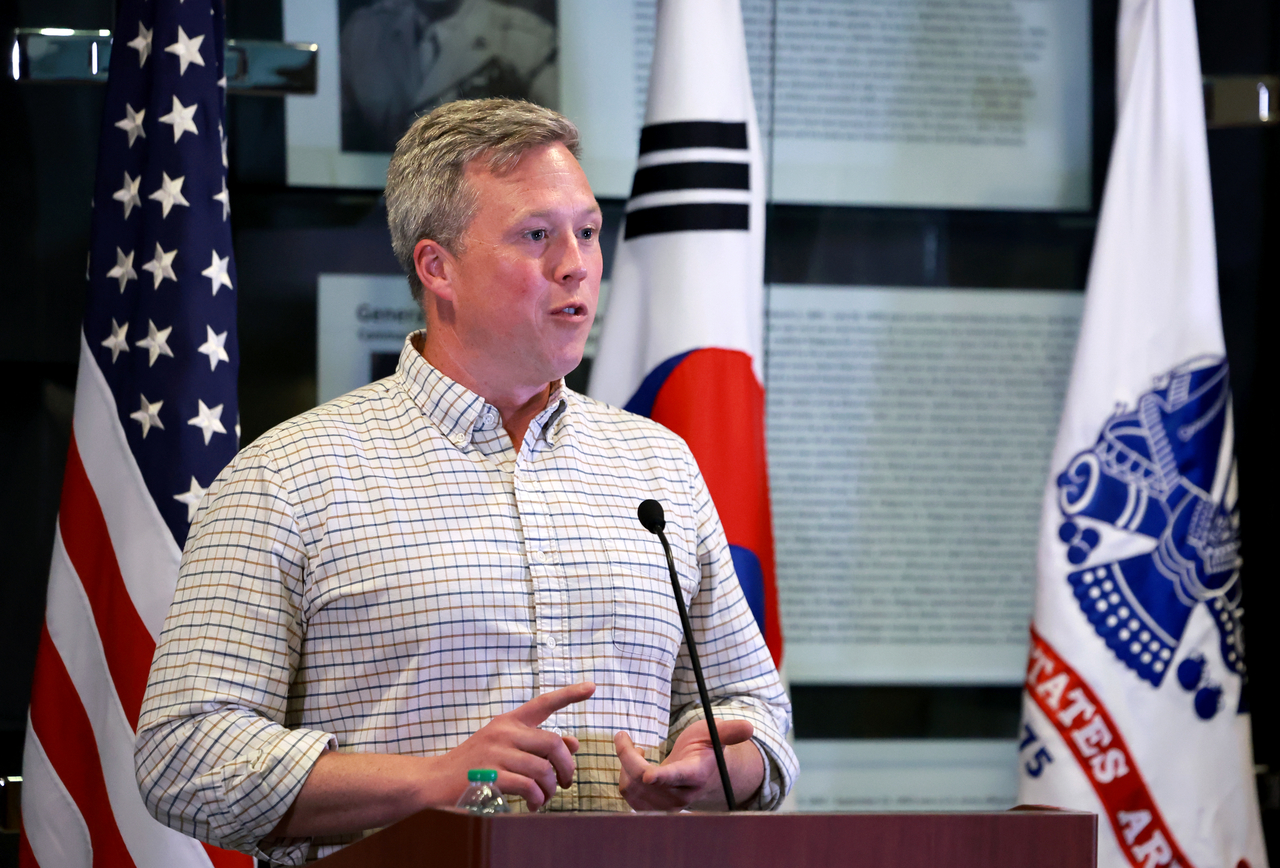 Unlike a routine turnover, serial leadership changes during wartime pose heightened operational risks. The United States now faces heightened tensions amid a standoff over a potential Strait of Hormuz blockade and stalled talks over Iran’s nuclear program. Officials warn that weakened continuity in the chain of command — while the Pentagon is working to secure sea lanes, redistribute forces across the Middle East and coordinate allied defenses — could erode operational effectiveness.
Iran’s recent diplomatic gambit — prioritizing reopening the Strait of Hormuz and sanctions relief while downgrading nuclear issues — has further complicated negotiations. When military pressure and diplomacy run in parallel, an unsettled decision-making process at the Pentagon can undercut policy consistency and clarity, analysts say.
Criticism has spilled into the open within the Republican ranks. Sen. Joni Ernst, a member of the Senate Armed Services Committee, called Randy George’s removal “a mistake,” questioning the judgment behind the personnel moves. Several senators warned that frequent leadership turnover in wartime “creates unnecessary uncertainty.”
Another flash point is the feud between Secretary Hegses and Army Secretary Daniel Driscoll. Driscoll, a close ally of Vice President J.D. Vance, is widely respected among House and Senate Republicans. Analysts say a public clash with a figure who holds that political capital weakens Hegses’s standing within Washington’s security circles.
The Pentagon maintains the changes are part of a broader reform effort. Pentagon spokesman Sean Parnell described the reshuffle as “a process to staff the department with leaders who can quickly implement the administration’s policies and objectives,” arguing that a bureaucracy the size of the Department of Defense requires personnel renewal during major policy shifts.
Lawmakers counter that wartime creates a special set of risks. They argue that pursuing sweeping organizational change while conducting active operations invites command confusion and heightens military risk. Some Republicans have even suggested more senior-officer replacements could follow after the summer, further stoking concern.
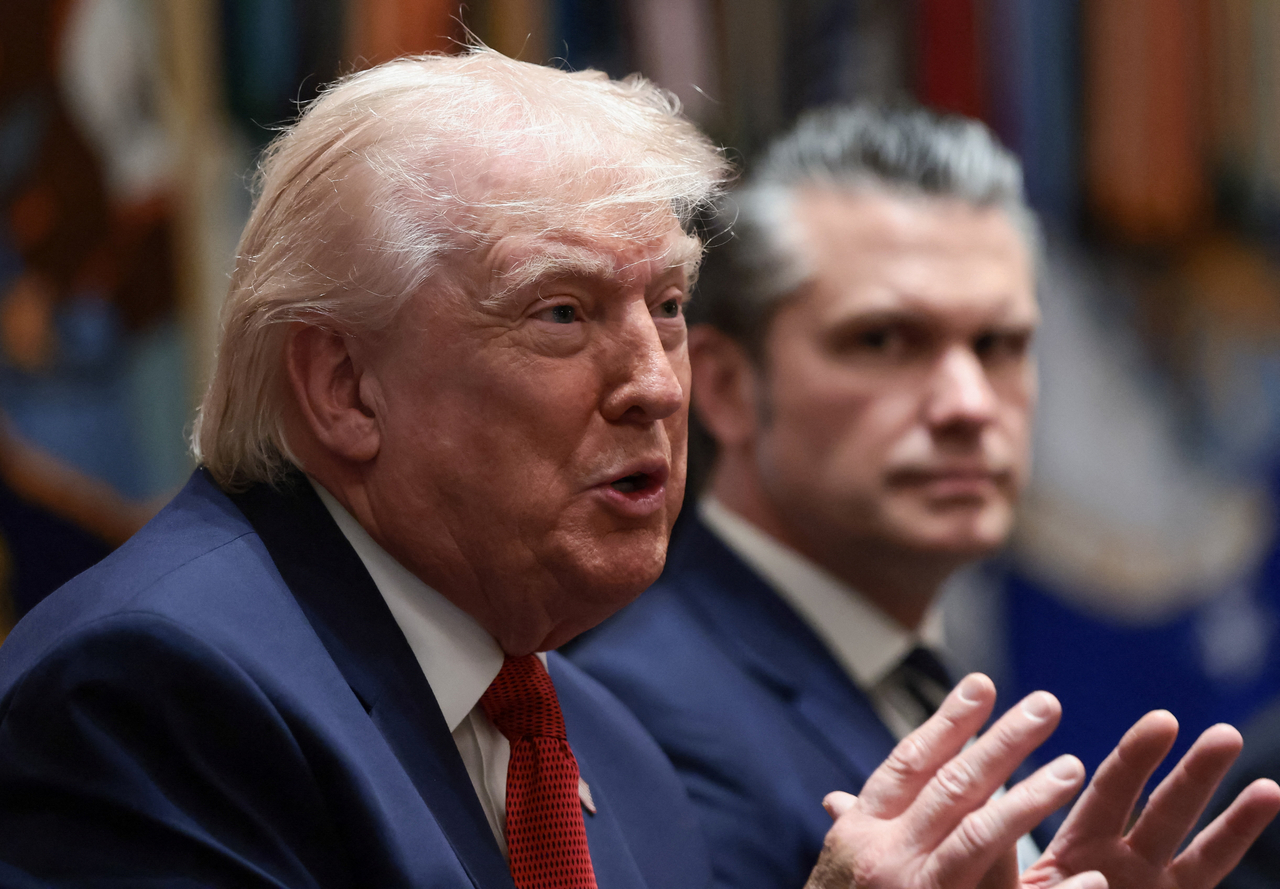 The political stakes are rising. As the conflict lengthens and public support erodes, a leadership controversy at the Pentagon could undermine confidence in the Trump administration’s security posture. If disputes between the Pentagon and Congress deepen — intersecting over confirmations, budgets and strategy — the administration’s ability to execute policy could be materially weakened.
The decisive variable remains President Trump. Whether he stands by Secretary Hegses and presses ahead with the reform agenda, or prioritizes wartime stability and reconstructs the security leadership, will shape U.S. strategy and negotiating posture toward Iran.















Most Commented