
China’s 10 Aircraft Carriers vs. South Korea’s 1: The Disparity in Naval Power Explained
Daniel Kim Views
Translation result
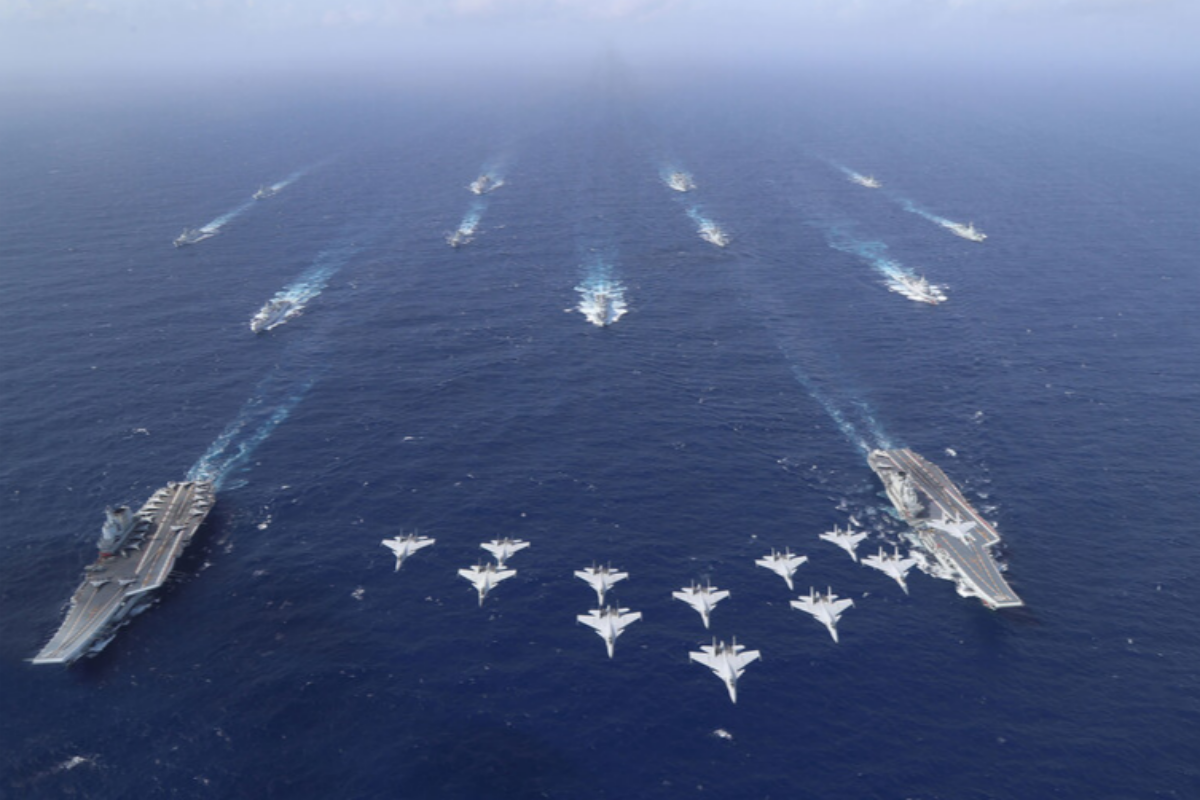
“10 Chinese carriers vs. 1 South Korean ship”: An uncomfortable reality
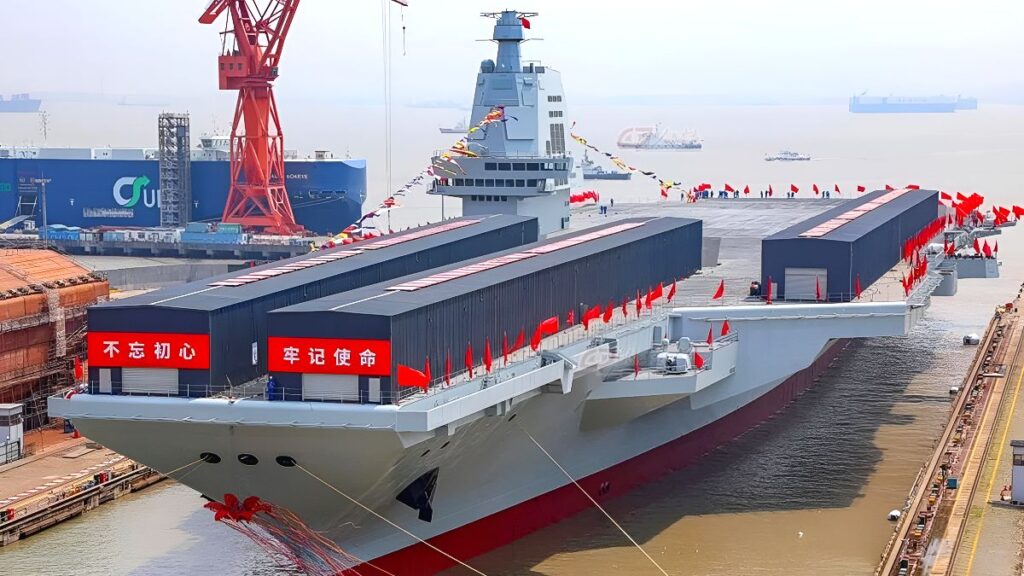
Chinese aircraft carriers entered waters under South Korean jurisdiction eight times just last year, effectively turning the West Sea (Yellow Sea) into a training area for Beijing’s carrier force. Incursions rose from two in 2020 to seven in 2022, six in 2024 and eight in 2025; officials also detected one passage in the first quarter of this year. Over the same period, Chinese warship transits into waters claimed by South Korea climbed to roughly 330–350 annually, with some vessels approaching to within about 50 km of South Korean territorial waters.
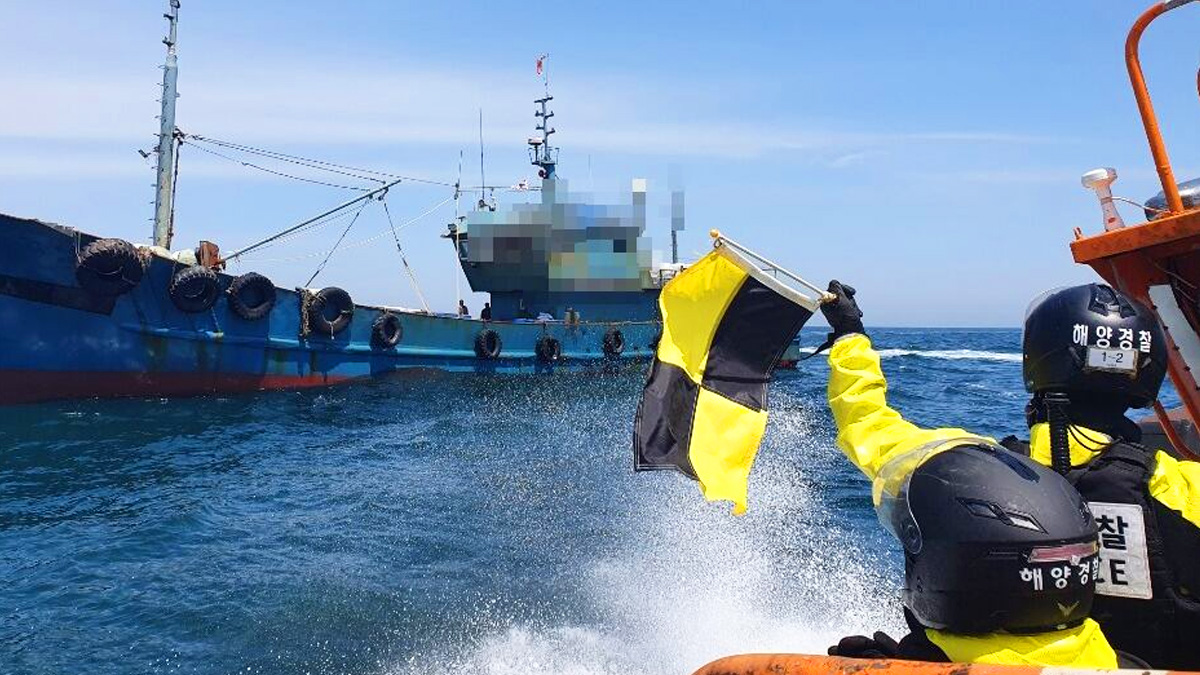
“We claim proportional response, but it’s really a 10-to-1 mismatch”
Officially, when Chinese warships enter the West Sea provisional measure zone or South Korea’s EEZ, the ROK Navy sails a comparable distance toward China to demonstrate a proportional response. The catch is that the West Sea Fleet (2nd Fleet) cannot devote all its assets to countering China alone. Because the West Sea has been the site of major North–South clashes—including the Battle of Yeonpyeong and the Cheonan sinking—many of the 2nd Fleet’s frontline ships remain tied up addressing threats from North Korean patrol boats, artillery and missiles.
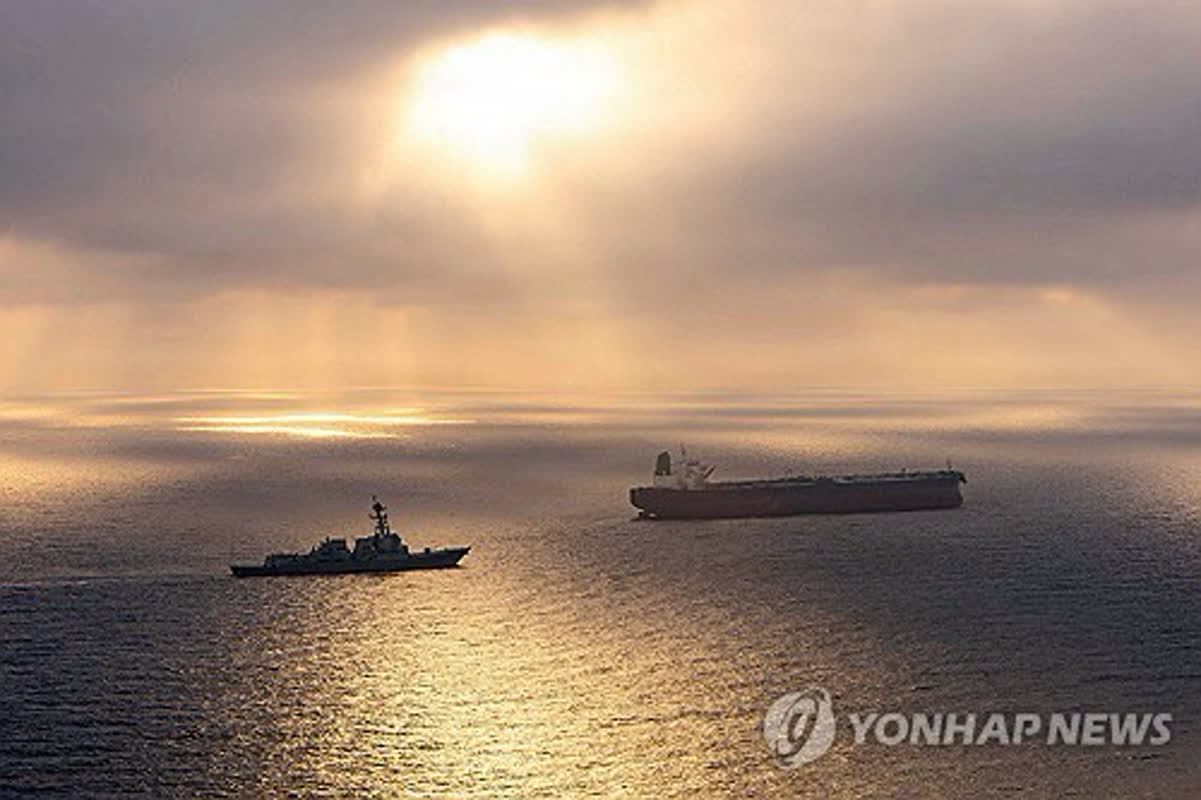
As a result, naval personnel say the theory—sending 10 ships to meet 10 Chinese vessels—often breaks down in practice. “In principle we’d dispatch 10 ships if 10 Chinese warships arrived, but in reality we often send only one ship east to respond,” officials say. What plays out is more symbolic signaling than a true proportional response.
A triangular strategy of carriers, fixed structures and live-fire drills aims to turn the West Sea into China’s operational waters
Beijing’s assertiveness in the West Sea appears deliberate. Since President Xi Jinping declared China a “maritime power,” Chinese forces have reportedly installed three fixed structures inside the West Sea provisional measure zone (PMZ) without authorization and placed multiple observation buoys in nearby international waters.
That PMZ—where Chinese and South Korean EEZs overlap and fishing is the only permitted activity—has increasingly been used as a live-fire training area for carriers, intelligence-collection vessels and destroyers. In 2025, the carrier Fujian operated in the PMZ and conducted arrested-landing and launch drills, underlining Beijing’s push to make the West Sea a primary training ground for its navy.
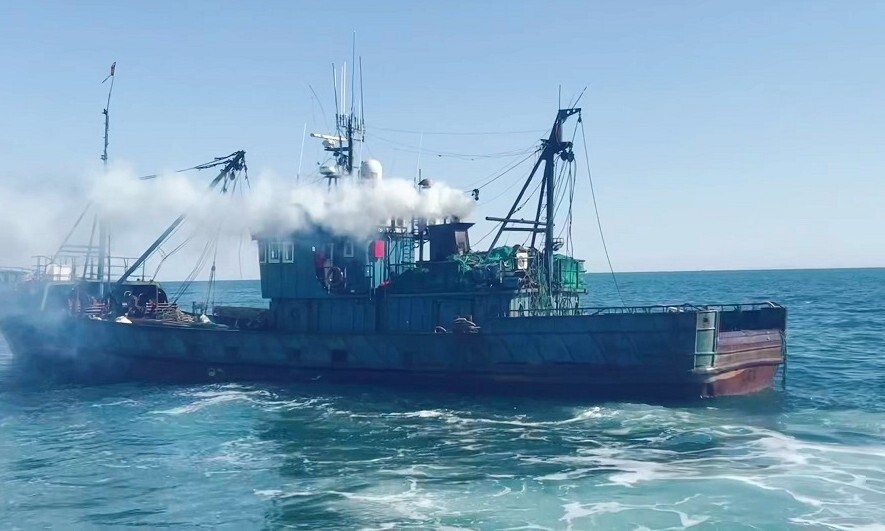
China’s reasoning: draw the 124° meridian and claim “this is our line”
Beijing’s confidence in the West Sea is strengthened by an arbitrary boundary claim. China points to a 1962 North–China border treaty that placed North Korea’s West Sea baseline at 124°10′ E and has extended the 124° meridian southward, treating it as if it were the maritime dividing line between China and Korea.
Under international law, much of the area east of that line falls within South Korea’s EEZ or at least international waters. Yet the Chinese navy has at times declared a no-navigation zone west of the 124° line and conducted live-fire exercises there. When South Korean vessels operate west of the line, Chinese warships have pressured them with close approaches or radio orders to withdraw—patterns experts view as part of a broader “West Sea project.”
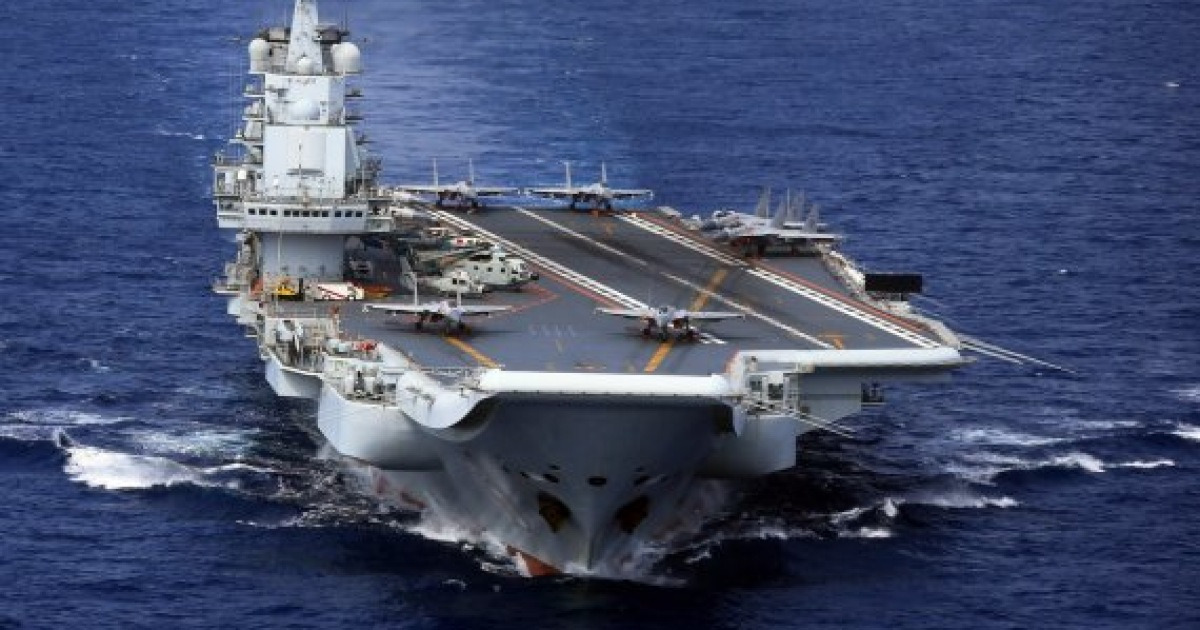
China shifts forces into the East Sea; add North Korea and Russia and South Korea feels encircled
Chinese activity is rising not only in the West Sea but also in the East Sea (Sea of Japan). The People’s Liberation Army Navy and Russia’s Pacific Fleet have increasingly conducted joint drills and intelligence-gathering missions across the East Sea and the Sea of Japan. North Korea often signals alignment with those operations by launching ballistic missiles during such exercises.
Since 2025, analysts say a new bloc has begun to form in Asia’s maritime theater: a China–Russia “northern” force active in the East Sea while a southern formation, focused on the Indian Ocean and the Philippines, operates in the South China Sea. For South Korea, that means China’s growing presence in the West Sea and combined China–Russia–North Korea activity in the East Sea create simultaneous pressure on both coasts, intensifying a sense of encirclement.
“It’s not war yet, but maritime sovereignty is being eroded”
If China keeps installing structures in the West Sea and maintains regular patrols west of the 124° line, Beijing could establish de facto control well before any legal boundary is settled. Former Joint Chiefs Chairman Choi Yoon-hee warned, “In the past the U.S. protected sea lanes for us, but the U.S. Navy is now stretched thin just trying to check China. The ROK Navy has no choice but to assume responsibility for protecting sea lines of communication and sovereignty in the West and East Seas.”
Officials and analysts caution that the reality—responding with “just one ship” even when more than 10 Chinese carriers or warships operate in the area—may not have escalated to shots fired, but it is a warning sign. Maritime sovereignty can be eroded incrementally, and that slow attrition should be treated as a strategic alarm.










Most Commented