
Translation result
Even when defense firms want to produce weapons, they often lack the cutting tools to machine steel and face shortages of artillery rounds. That sums up the tungsten price shock now roiling global commodity markets.
The feedstock for tungsten, APT (ammonium paratungstate), has climbed more than 200% since the start of the year.
To many observers this looks like a standard price spike. In the defense sector, however, it signals something far more dangerous: a supply‑chain bottleneck that could shut down production lines across the global arms industry, including South Korea’s.
China Controls 80% of Global Supply and the ‘Military Black Hole’
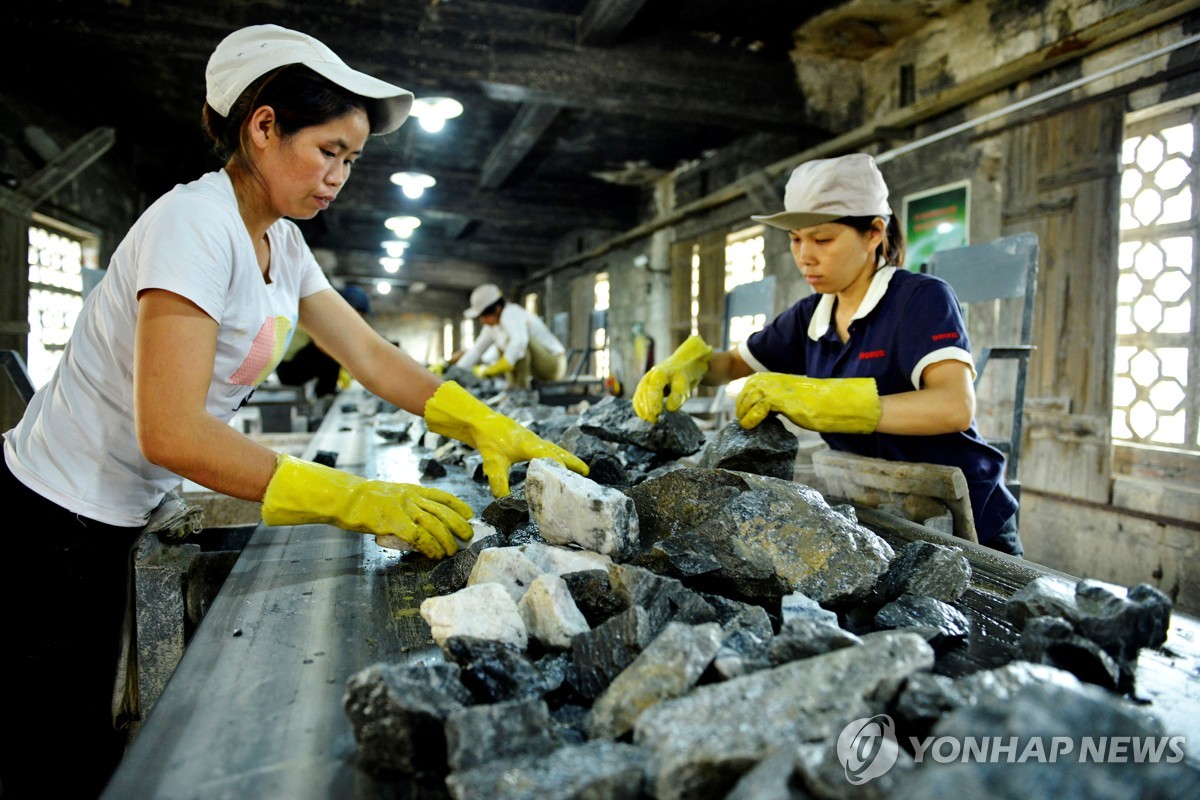
The problem stems from a mix of Beijing’s heavy‑handed export policy and surging wartime demand. The U.S. Geological Survey estimates that of roughly 85,000 metric tons of global tungsten mine output, China produces about 67,000 tons — roughly 80% of the world’s supply.
In February 2025, China moved to tighten export controls on tungsten and its compounds, citing national security and military end‑use concerns.
At the same time, fighting in Ukraine and the Middle East has driven extraordinary military demand. Tungsten’s resistance to extreme heat and stress makes it essential for missile penetrators and armor‑piercing munitions.
Industrial tungsten can often be recycled, but tungsten used in munitions is consumed on detonation. As defense ministries scramble to replenish stocks, shortages have become acute.
The Real Fear for K‑Defense: It’s Not Cost — It’s Availability and Missed Deadlines
What does this mean for South Korea’s economy and its defense industry?
South Korea’s annual tungsten consumption is roughly 1,300 metric tons, so the spike alone won’t trigger a national macroeconomic crisis. But the risk to defense manufacturers and precision semiconductor firms is severe.
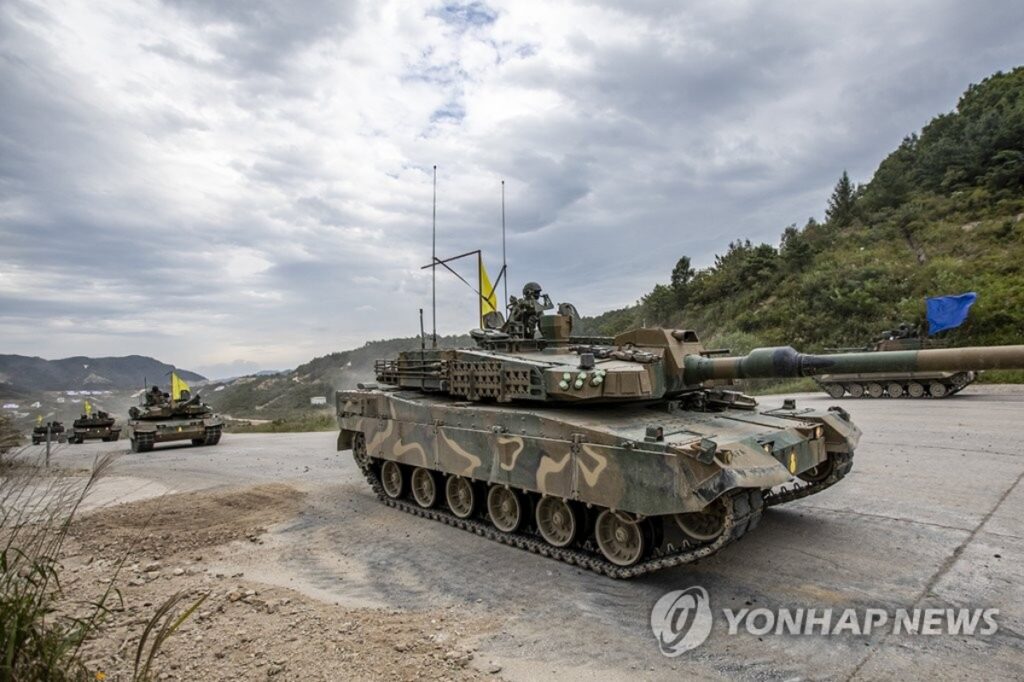
Tungsten is used as the penetrator material in armor‑piercing rounds fired by the K2 Black Panther and is the primary ingredient in carbide cutting tools that machine high‑precision defense components.
Currently, about 59% of South Korea’s tungsten imports come from China. If Beijing delays export approvals and powder or carbide inventories run out, assembly lines could be forced to stop.
Defense exports are built on trust and reliable delivery schedules. Even with export contracts worth trillions of KRW (for example, 1 trillion KRW = 750 million USD), manufacturers could face halted production and missed delivery deadlines over a single missing tungsten component.
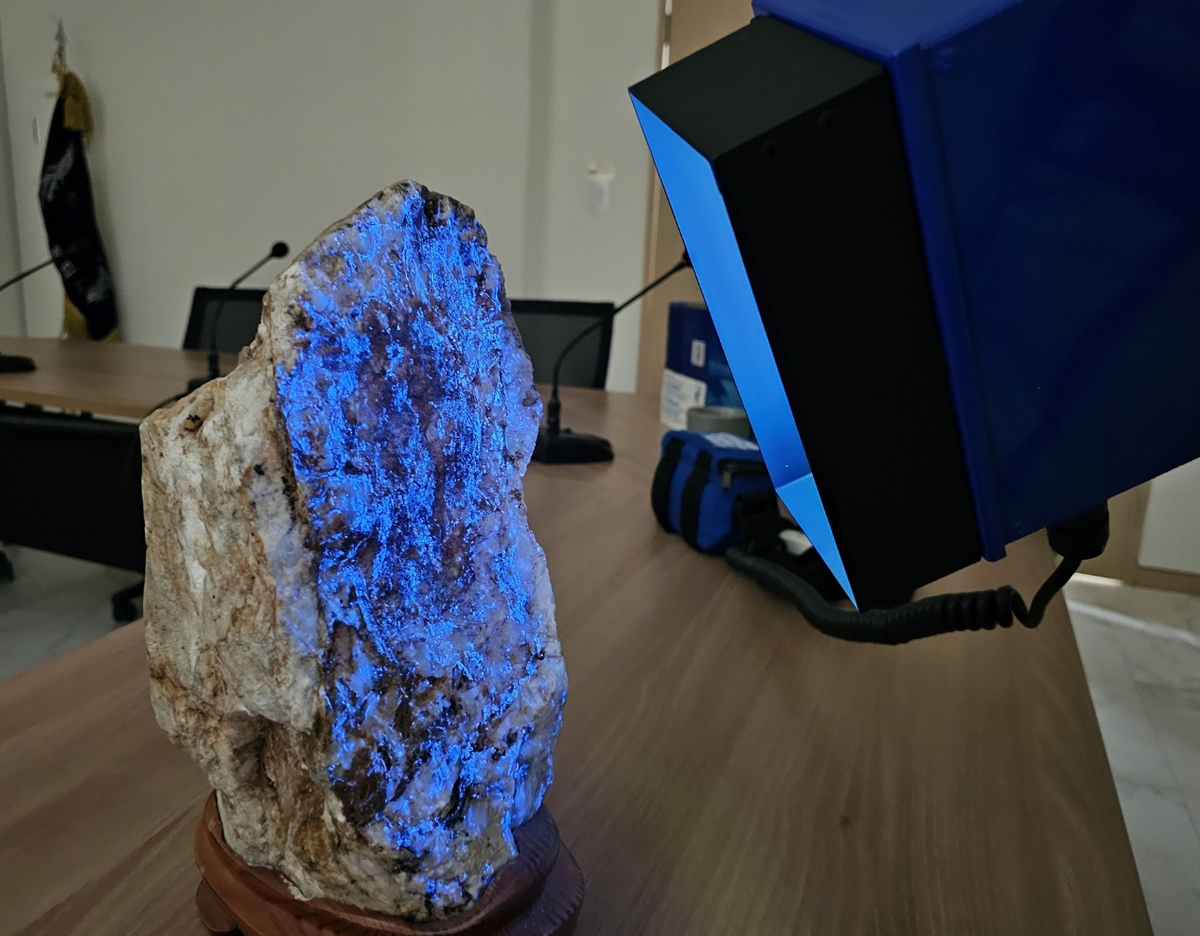
Because these are high‑purity materials, qualifying alternative suppliers outside China can take months of testing and certification. In short, K‑defense’s real vulnerability isn’t just higher prices — it’s the loss of credibility and contracting risk caused by supply‑chain failures.
Turning Crisis into Opportunity: Sangdong Mine and the U.S. ‘De‑China’ Rule in 2027
Ironically, the same tungsten squeeze could become a strategic advantage for K‑defense — if Seoul moves quickly. The key is the Sangdong mine in Yeongwol, Gangwon Province.
Operated by Canada’s Almonty Industries, Sangdong began full‑scale mining in March 2026. If its planned second expansion completes in 2027 and commercial production ramps up, the mine could supply a meaningful share of domestic tungsten demand and provide a strategic buffer.
That buffer can be turned into market access. Starting in 2027, U.S. defense procurement rules will sharply restrict use of tungsten sourced from adversary countries such as China, Russia and North Korea.
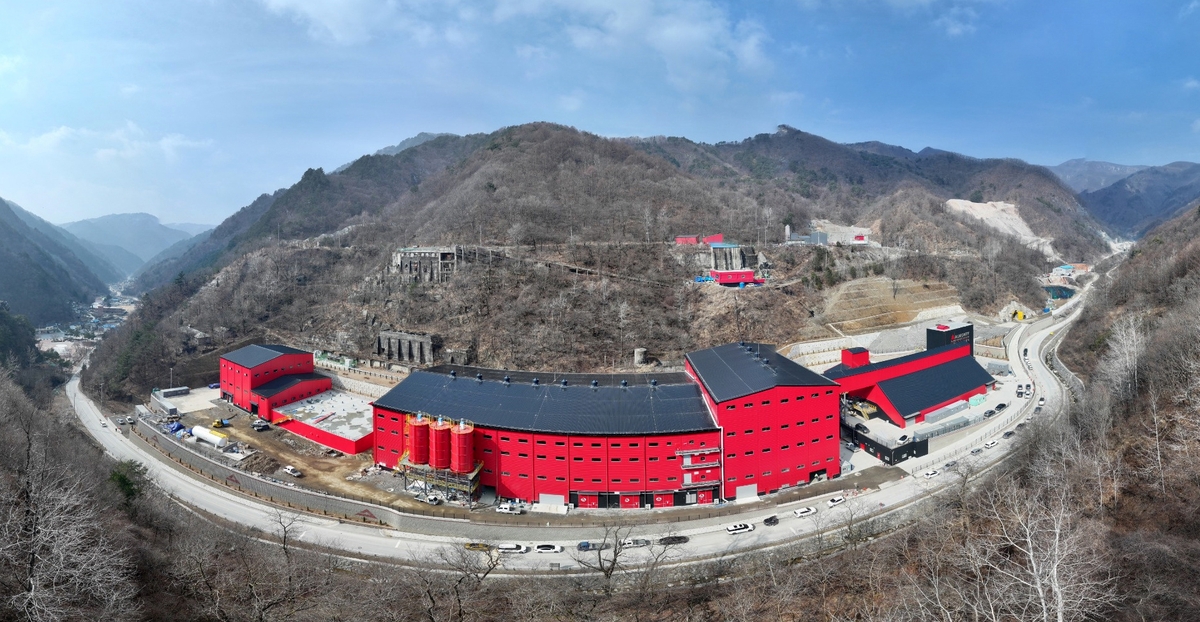
If K‑defense can demonstrate that shells and weapon components are made from ‘Non‑China’ tungsten mined at Sangdong, South Korean firms would gain a powerful entry point into the tightly controlled U.S. defense supply chain and broader global markets.
In the end, in this metal war where components choke production before ammunition does, K‑defense’s future won’t turn on short‑term price forecasts. It will be decided by who first secures de‑China tungsten supply chains and how fast they convert Sangdong’s output into verified, defense‑grade material — a speed contest that will shape South Korea’s defense exports over the next decade.










Most Commented