
Is the National Intelligence Agency’s Budget Being Wasted? Shocking Insider Revelations
Daniel Kim Views

Allegations have ignited controversy that the National Counterintelligence Command (hereafter the Counterintelligence Command) ordered personnel to rapidly spend remaining funds as the unit prepares for disbandment and a comprehensive organizational overhaul.
JTBC published the exclusive report on April 28.
Rather than prioritizing reform, the agency charged with safeguarding military secrets and preventing espionage on the front lines of national security is accused, in a detailed internal leak, of diverting counterintelligence funds — taxpayer dollars — into entertainment and leisure. The revelations have prompted sharp criticism that military discipline has eroded.
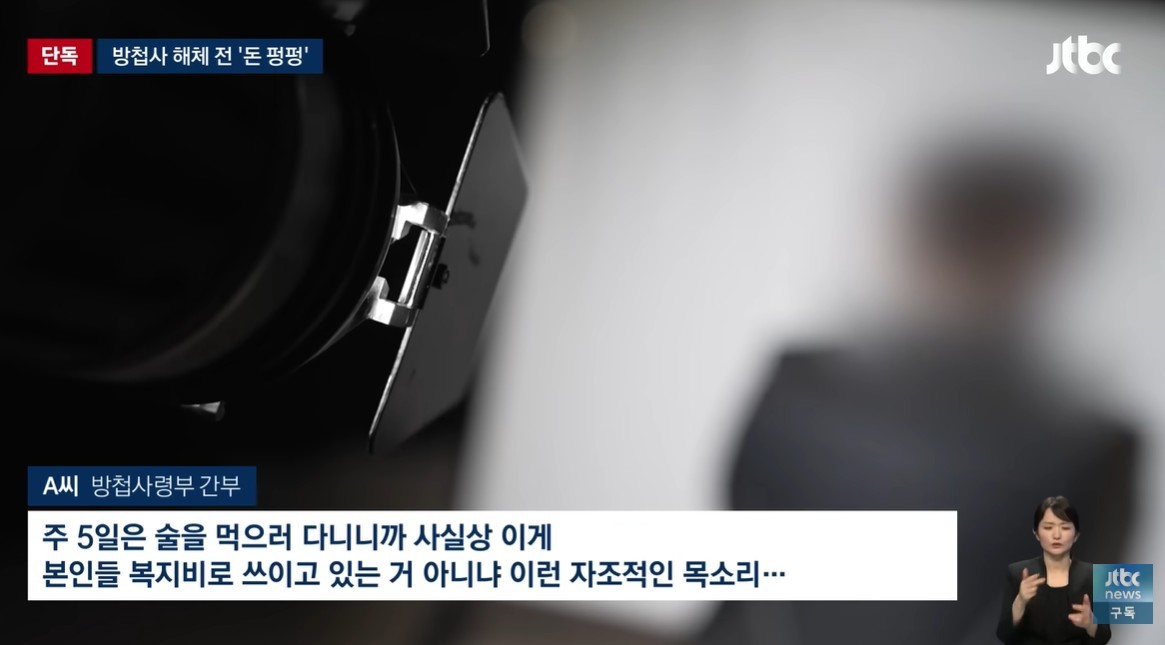
The whistleblower, identified only as A and described as a current senior officer at the Counterintelligence Command, told JTBC that last month headquarters issued a directive urging personnel to use up the third-quarter budget in full before the unit reorganization. According to A, agents historically received roughly 1.5 million KRW (approximately $1,125) per month in operational funds on top of their regular pay. As reorganization talks intensified this year, that allowance was reportedly boosted to about 2.5 million KRW (approximately $1,875).

The immediate concern is that the sudden increase in operating funds has been spent on activities unrelated to counterintelligence operations or intelligence collection. A described a dispirited atmosphere inside the unit, saying Now the money is being spent meeting field operatives for drinks, buying meals, playing rounds of golf and giving gifts… They go out drinking five days a week, so colleagues joke that it has effectively become a welfare allowance.
The situation worsened because some of these funds were classified as special-activity money that, citing security, can be spent without receipt-based documentation. That opaque budget became unchecked authority and, according to the whistleblower, led to misconduct by some agents. A added, Some even frequented entertainment establishments and bragged about it. He warned that state funds have, in practice, been reduced to entertainment money for intelligence officers.

Alongside the budget-exhaustion directive, the command reportedly imposed a strict gag order to prevent internal disclosures. Headquarters told personnel that strategic silence was necessary so the commander could negotiate from a position of strength during the reorganization. Observers say the instruction appears intended to block revelations of internal abuse or improper spending, to defend the unit’s entrenched privileges and to preserve leverage after the reshuffle.
A criticized the command, saying it has focused on preserving its own position instead of acknowledging past mistakes and presenting a painful, thorough reform plan. The command also advised members to use up first-half leave, a step critics characterized as suspicious: rather than driving focus on the critical task of reform, the order made the unit appear to prioritize personnel convenience and prompted accusations of organizational shirking.
The Counterintelligence Command denied the allegations, saying the commander never directly ordered budget or leave exhaustion. Officials issued a more measured statement saying they encouraged transparent budget management and active leave use to support efficient operations. On the gag-order controversy, they said they only urged caution in speech and behavior after unverified rumors about the reorganization spread and added that they are coordinating with the National Intelligence Service to review budget transparency.
The National Counterintelligence Command operates directly under the Ministry of National Defense and is responsible for internal military security, protecting military secrets and preventing the infiltration of anti-state elements. Its lineage traces back to the once-notorious Defense Security Command (DSC). During periods of military rule, the DSC monitored internal military activity, held broad investigative authority over intelligence matters and wielded significant power.
The DSC exceeded its mandate and drew public outrage for actions that included civilian surveillance, political online manipulation, alleged monitoring of Sewol ferry victims’ families and, most consequentially, drafting a memo that considered imposing martial law during the 2017 impeachment crisis of former President Park Geun-hye. In response, the unit was reorganized under the Moon Jae-in administration in 2018 and rebranded as the Military Security Support Command. Under the current government, counterintelligence functions were expanded and the unit was renamed the National Counterintelligence Command.
Despite the changes, the command has struggled to escape the reputation of an all-powerful military intelligence body. Its monopoly over internal information and influence on personnel and operations created recurring structural problems and contributed to calls for a full reorganization or effective disbandment. The newly exposed allegations of budget misuse are stark evidence that the old organizational culture may persist.
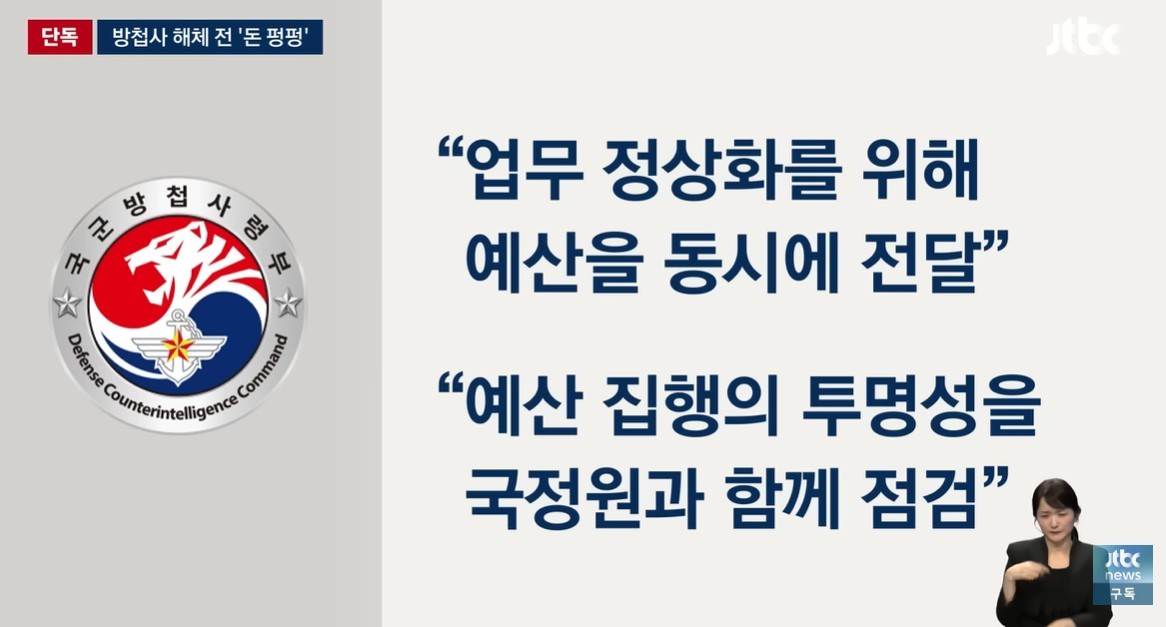
The current push to disband and restructure the Counterintelligence Command is more than a name change. The reforms aim to recalibrate investigative authorities and strictly limit the scope of intelligence collection. The objective is to excise duties that risk civilian surveillance and to refocus the agency on its core mission: military security.
The legitimacy of a national intelligence agency rests not on secrecy but on public trust. The country will no longer tolerate units that hide behind a mantle of security while diverting public funds for entertainment.















Most Commented