
Translation result
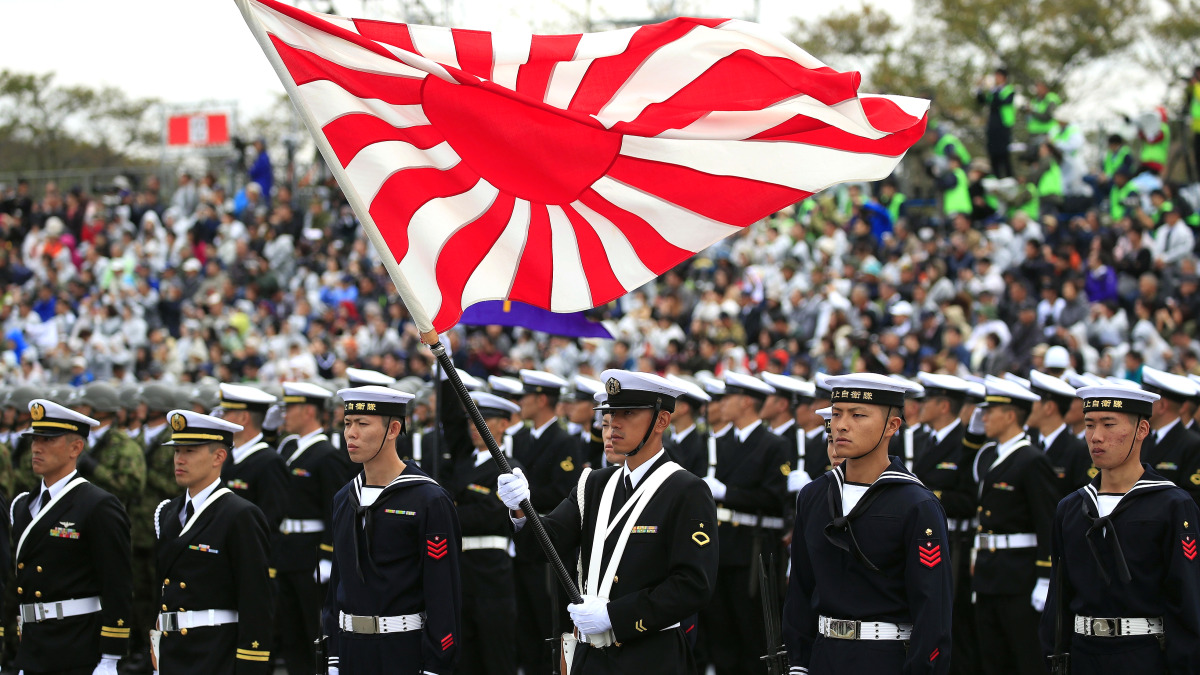
Japan has opened a Pandora’s box sealed since the Self-Defense Forces were established in 1954 — a change that marks a major shift 72 years in the making.
Tokyo has initiated a formal effort to rename SDF officer ranks to align them with internationally recognized military conventions, citing the need for standardization with partner forces.
The move drops the euphemistic titles long used to emphasize the SDF’s non‑military posture and replaces them with explicit military-style rank names.
Tokyo’s carefully timed steps to loosen postwar constitutional constraints have raised tensions across East Asia as the country signals a broader intent to normalize armed force capabilities.
The ‘Regular Army’ Revival Project, Packaged as International Standardization
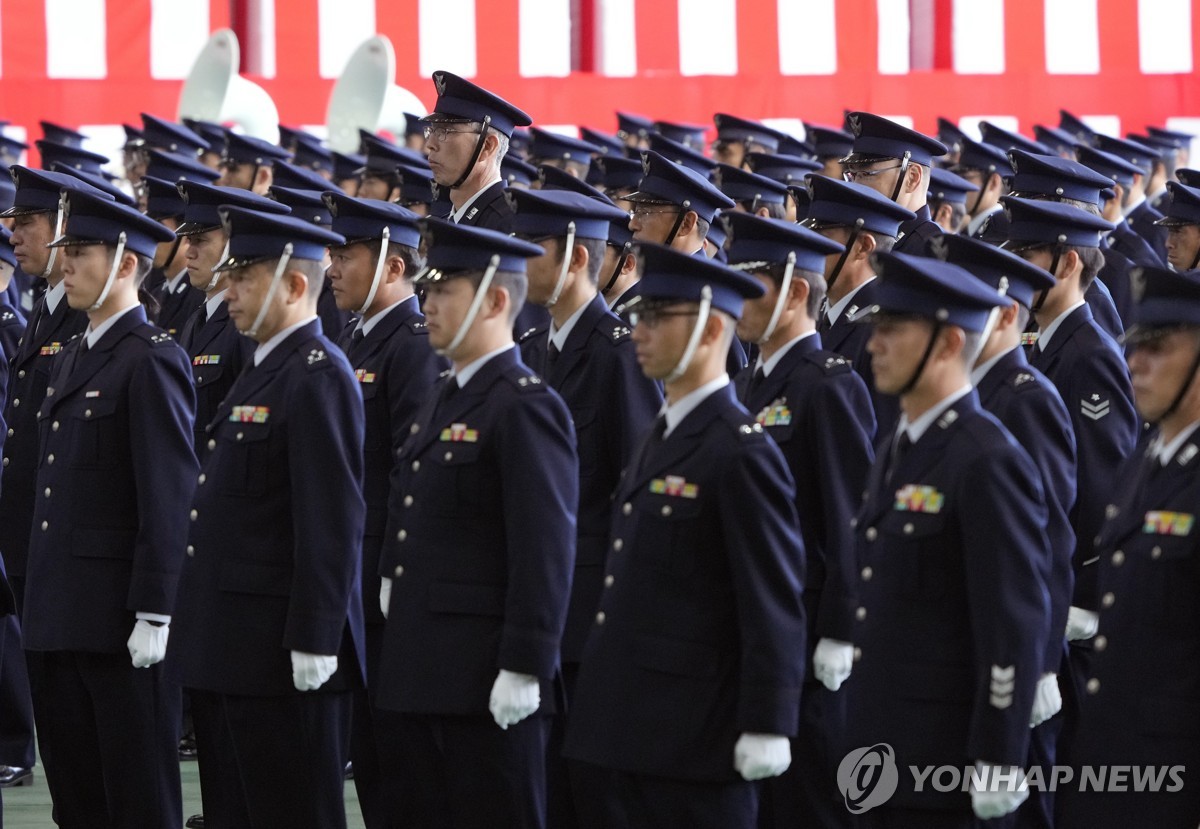
The government plans to submit amendments to the Self-Defense Forces Act to the Diet this year that would change officer rank names across the SDF.
Of the SDF’s 16 ranks — spanning senior officers to enlisted personnel — the names for commissioned officers and above (excluding NCOs and enlisted ranks) are set for a comprehensive revision.
Under the proposal, the chiefs of the Ground, Maritime and Air Self-Defense Forces would be retitled “General,” while other top-tier officers would be styled “Lieutenant General.”
Numeric ranks such as 1‑za, 2‑za, 3‑za and 1‑wi would be replaced by titles that map more directly to conventional ranks — roughly colonel, lieutenant colonel, major and captain — to improve clarity during multinational operations.
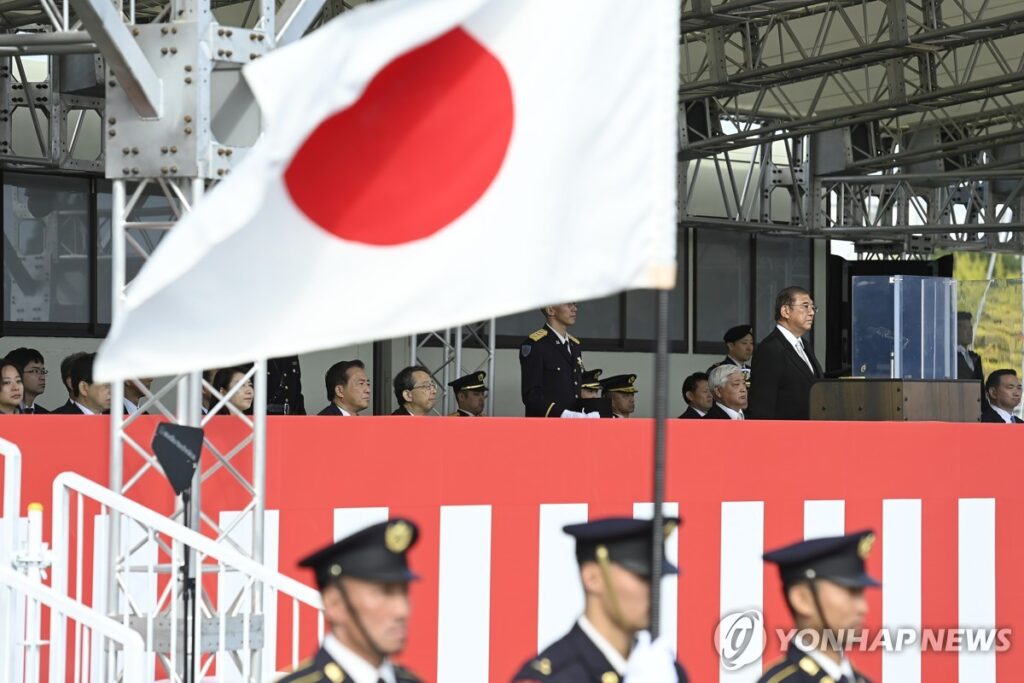
Officials say they will retain the traditional “sa” and “jo” designations for enlisted personnel and NCOs to avoid backlash from serving members who fear a return to the Imperial-era nomenclature.
The ruling party has framed the move as practical: numeric rank labels can complicate rank recognition during joint training with foreign militaries.
But diplomats and regional security experts caution the renaming could be a stepping stone toward treating the SDF as a de facto regular military.
Japan Breaks a 72-Year Lock — Shaking Northeast Asia’s Military Balance
Tokyo’s push to normalize its armed forces has proceeded in deliberate phases, each designed to expand capability while managing domestic and international sensitivities.
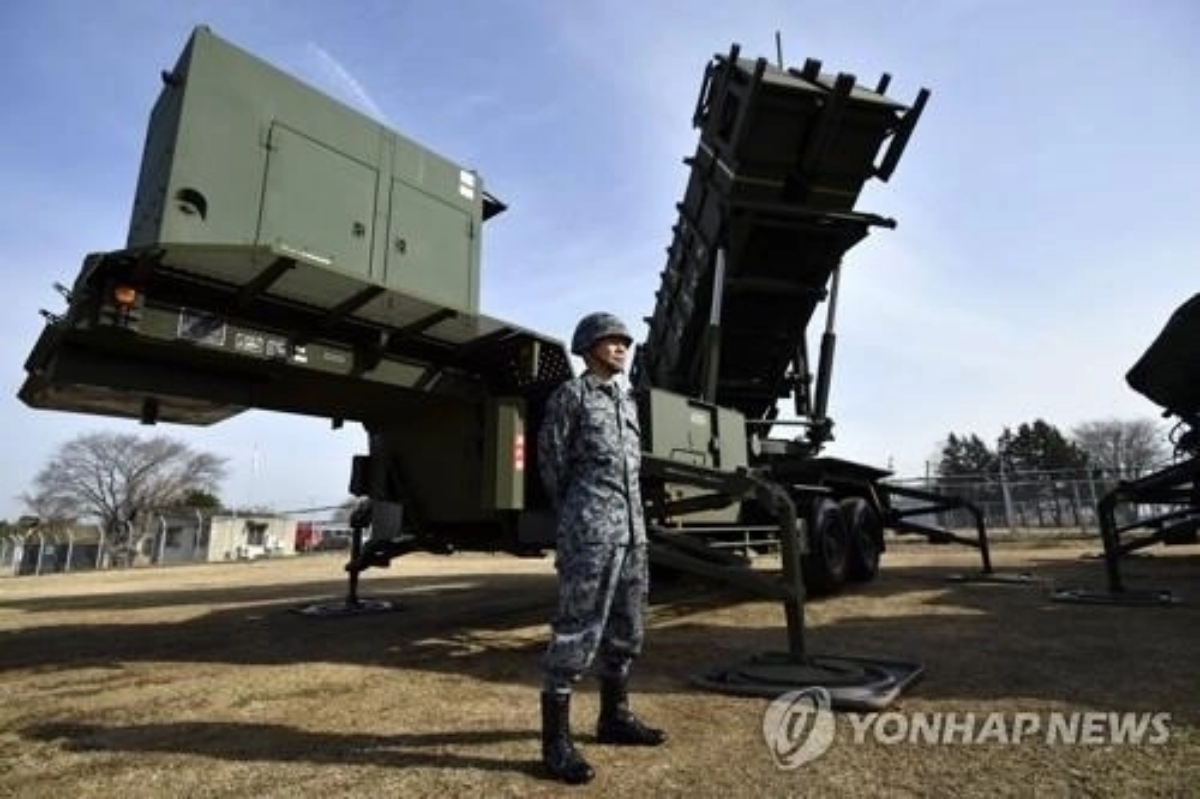
After adopting a pacifist constitution in the aftermath of World War II that rejected traditional armed forces, Japan formed the SDF in 1954 for defensive purposes and quietly developed capabilities under special rank names.
Tokyo is also executing an aggressive defense spending plan that aims to push related expenditures to roughly ¥43 trillion by 2027 — about 2% of GDP (approximately $288.1 billion).
If officer ranks are switched to conventional military titles this year, the remaining major step would be a constitutional revision to formally recognize the SDF as Japan’s official armed forces.
Analysts warn that constitutional normalization could accelerate military expansion and intensify an arms race across Northeast Asia.
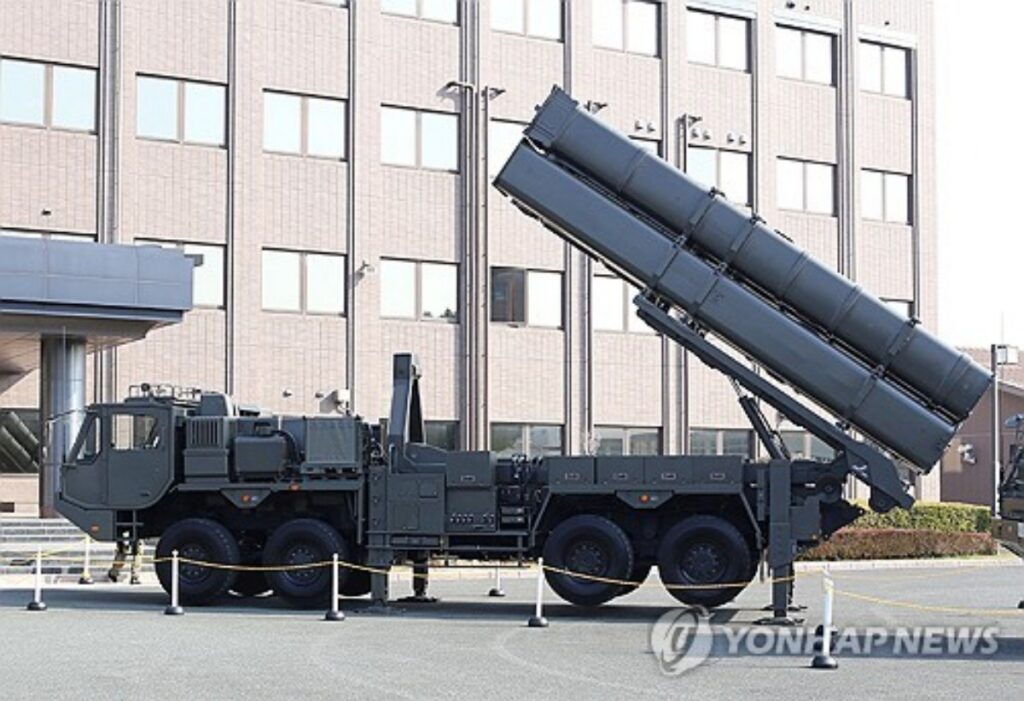
Japan’s rearmament — including greater maritime strike capacity and extended power projection — is a central factor increasing regional instability. That said, South Korea is not without strategic options.
The Republic of Korea armed forces have built potent asymmetric strike capabilities, notably the Hyunmoo ballistic missile family, which remain a significant deterrent.
Combined with an advanced Korea Air and Missile Defense (KAMD) architecture, Seoul retains a credible strategic counterweight to evolving regional threats.
Changing rank insignia alone will not instantly erase South Korea’s military advantages, but Tokyo’s recent moves complicate the security calculations across Northeast Asia and raise the stakes for defense planners.










Most Commented