
Japan’s National Security at Risk: MBK Partners’ Acquisition of Makino Milling Machines Under Scrutiny
Daniel Kim Views
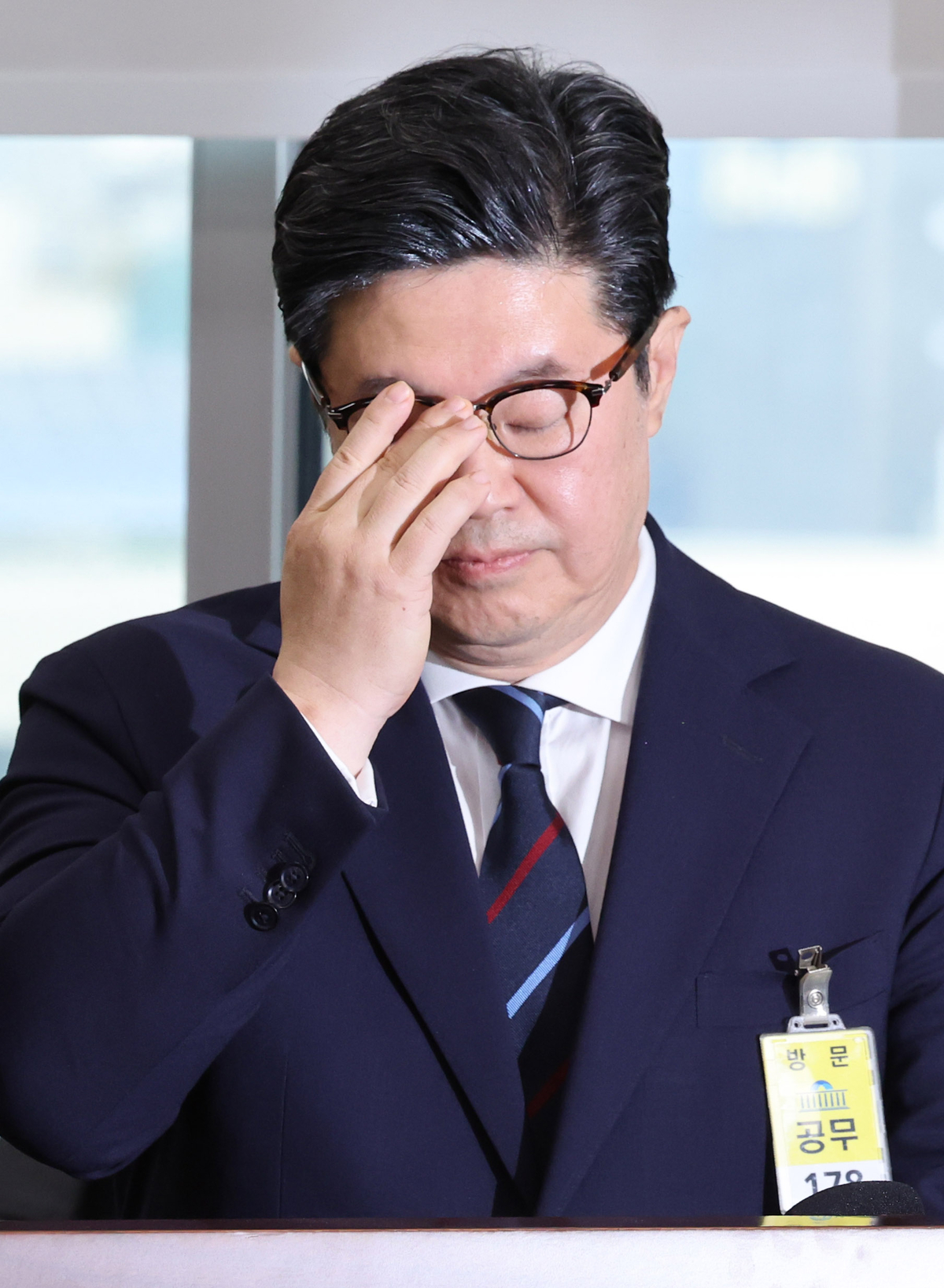 Japan’s government has moved to block MBK Partners’ proposed takeover of Makino Milling Machine, a leading Japanese machine-tool manufacturer, citing national security concerns tied to the company’s defense applications.
On April 24, the Nihon Keizai Shimbun (Nikkei) reported that Tokyo recommended halting MBK’s bid under the Foreign Exchange and Foreign Trade Act (FEFTA).
The case marks the first such recommendation since Japan tightened investment screening in a 2017 revision to FEFTA, Nikkei said. Officials argued that high-performance machine tools can be repurposed for weapons production, creating security risks. Cabinet minister Minoru Kihara said the Finance Ministry and the Ministry of Economy, Trade and Industry concluded the deal could harm national security.
Authorities flagged Makino’s products as dual-use—suitable for both civilian and military applications. Finance and METI officials told regulators that Makino’s advanced machine tools are sensitive items with a high potential for military use and that the company’s know-how is widely used by domestic defense-equipment makers. In particular, Makino’s five-axis control machining technology was identified as a critical capability for aerospace and defense; officials warned that transfer of that technology to foreign ownership could pose a national-security threat.
MBK announced a tender offer for Makino in June of last year at ¥11,751 per ordinary share (approximately $78.73). The private-equity firm planned to use its MBK Fund VI buyout vehicle—reportedly valued at about 8 trillion KRW (approximately $6.0 billion)—to finance the acquisition.
Under Japan’s foreign-exchange rules, MBK has 10 days from the date of the recommendation to accept or reject it, giving the firm until May 1 to decide. If MBK refuses the recommendation, the government could issue a formal order to block the transaction.
Analysts say Tokyo’s action reflects a broader international trend toward tightening economic-security controls around strategic industries, including defense, rare earths and other critical minerals, where foreign investment screening has become more stringent.
Observers have also raised questions about MBK’s governance and decision-making. Investment-banking sources say MBK chairman Byung-ju Kim chairs the investment committee and reportedly holds the sole veto power among committee members. Critics contend that the firm’s structure—a private-equity vehicle backed by foreign capital and led by individuals with foreign citizenship, including Kim—heightens economic-security concerns.
A similar controversy surfaced in South Korea in 2019, when MBK reportedly sought to sell Doosan Machine Tools to a Chinese buyer but abandoned the deal after government opposition over fears of transferring core technologies. MBK denied pursuing a sale to a Chinese company; the business was later sold in 2021 to domestic firm Dita R Automotive.
An industry source warned that the dispute over Korea Zinc illustrates how these conflicts can spill beyond management fights into broader debates about economic security and the leakage of critical technologies. “Because companies that produce critical minerals or hold advanced manufacturing capabilities can affect national industrial bases depending on who acquires them, the national implications of any takeover are inevitable,” the source said.












Most Commented