
How the US Navy Plans to Counter China’s Naval Dominance with a 7x Increase in Unmanned Surface Craft
Daniel Kim Views
Translation result
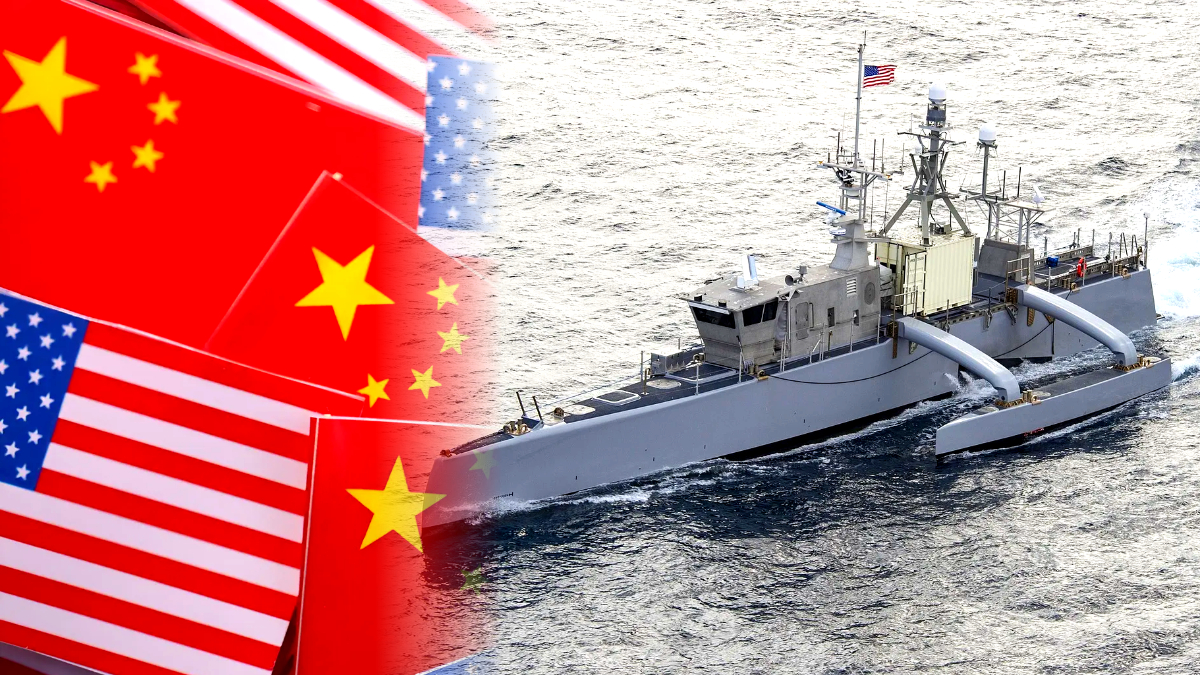
The U.S. Navy is moving to rapidly scale up its unmanned surface vessel (USV) force in the Indo-Pacific to blunt the People’s Liberation Army Navy’s numerical edge.
Beyond just fielding crewless boats, Navy leaders are pursuing so‑called hybrid task groups that fuse manned ships and unmanned platforms. The goal: extend surveillance, improve reconnaissance and strengthen deterrence across the region.
Adding quantity to quality: An unmanned fleet to counter China’s mass-production strategy
U.S. defense officials and foreign defense outlets say the Navy intends to boost its mid-size unmanned surface vessels in the Indo‑Pacific from roughly 4 today to more than 30 by 2030.
The PLAN now fields more than 370 hulls — the largest fleet by number — compared with about 290 in the U.S. Navy. That numerical gap has long complicated U.S. strategy in the region.
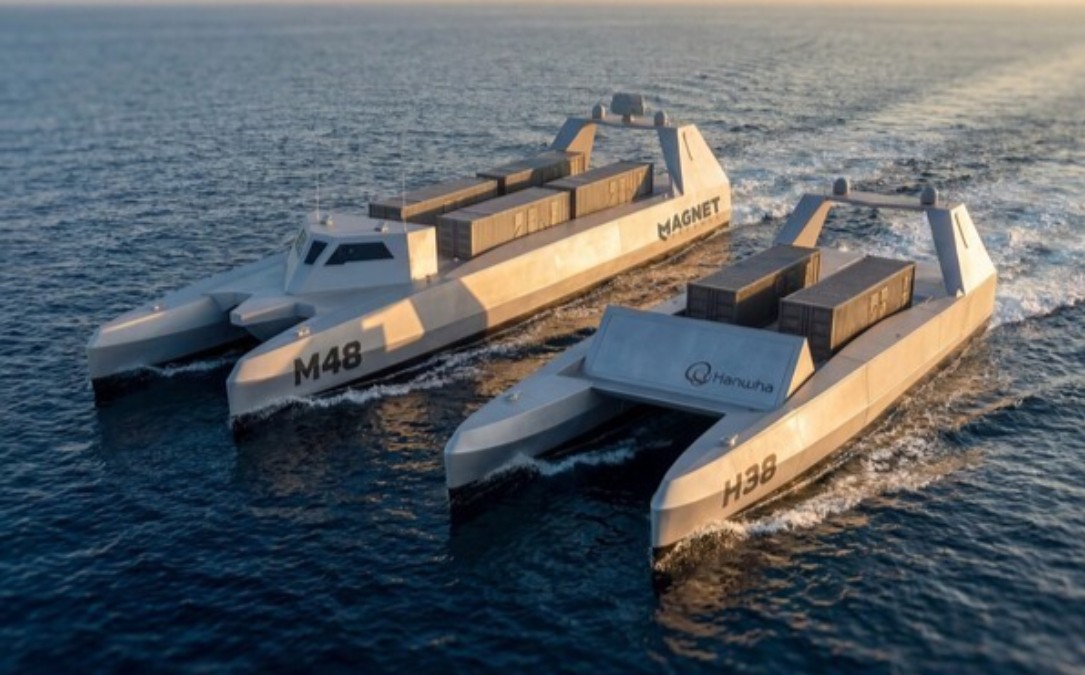
To close that gap, the Navy is expanding its operating concept to pair costly manned platforms with mid‑ and small‑size USVs.
With the high cost of a modern destroyer, buying swarms of relatively inexpensive USVs to widen surveillance and reconnaissance coverage is a cost‑effective alternative.
These \”ghost fleets\” would operate dispersed across wide sea areas and, in a crisis, link into a networked sensor mesh. That network would cover waters a single manned ship cannot, and it could provide targeting data or mission support when required.
From the Yellow Sea to the South China Sea… the waters around the Korean Peninsula are already a shadow war
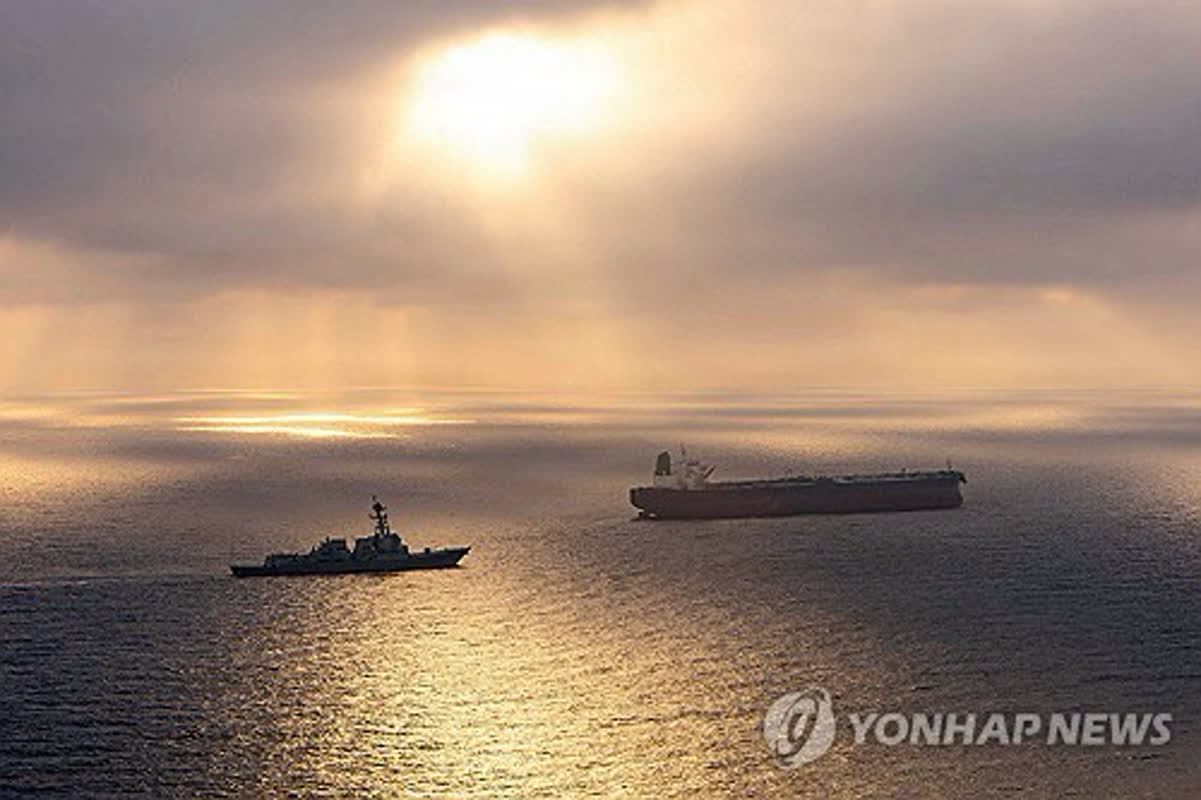
The Navy’s push could fundamentally reshape the operational picture in the Yellow Sea and East China Sea — waters closely tied to the security of the Korean Peninsula.
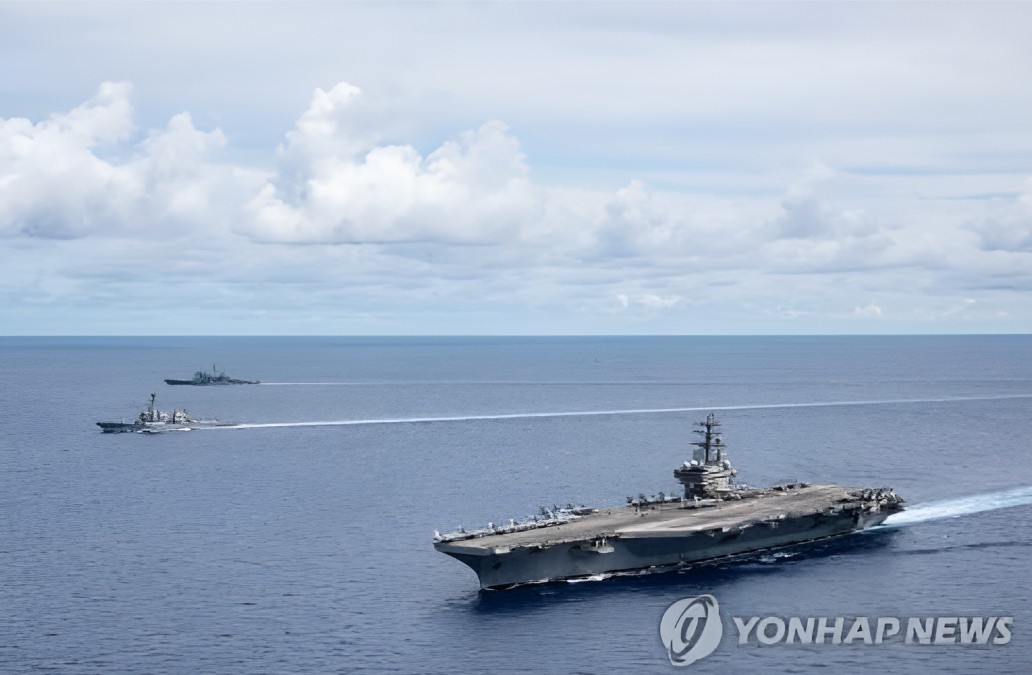
As the Pentagon’s Replicator initiative — aimed at mass-producing autonomous platforms — aligns with the Navy’s USV buildup, unmanned forces that monitor and check the PLAN across the Indo‑Pacific are likely to play a significantly larger role by 2030.
The Yellow Sea and East China Sea are particularly likely to become primary stages for a shadow war in which U.S. and Chinese unmanned vessels constantly surveil and counter one another.
If the Navy boosts its unmanned force roughly 7-fold as planned, South Korea’s manned-ship–centric operations will have to adapt. Interoperability with unmanned systems will become a core survival capability.
With the U.S. racing to change the paradigm of naval warfare, Northeast Asian waters are entering an era of unmanned competition — an environment that will be increasingly hard to predict.











Most Commented