
Abolishing limits on five categories opens the door to direct exports of fighter jets and warships
“Sharing weapons with allies” … Aims to strengthen security and the defense industry simultaneously
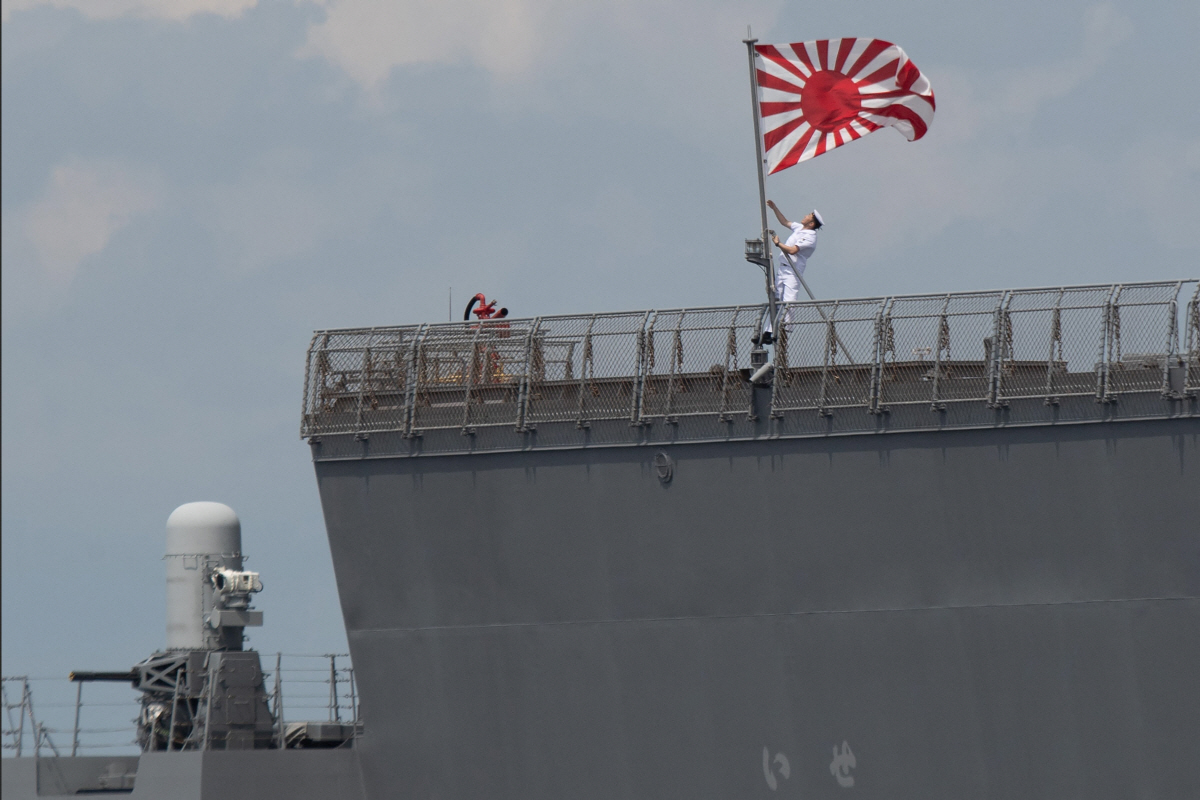
Japan has ended what was effectively a ban on exporting lethal weapons. The move is intended to deepen military cooperation with allies and broaden Japan’s defense-industrial base, signaling a major shift in the country’s postwar pacifist stance.
On April 21, the Nikkei reported that the Japanese government sharply relaxed rules for exporting defense equipment following decisions at Cabinet and National Security Council meetings. Tokyo scrapped the so‑called “five categories” — rescue, transport, escort/patrol, surveillance and mine‑countermeasure equipment — rules that had limited exports of defense systems with lethal capability.
The change allows Japan to export items the Self‑Defense Forces classify as “weapons.” Until now, Tokyo prohibited direct overseas sales of complete platforms such as destroyers and fighter jets, permitting such transactions only as exceptional cases tied to joint development or co‑production with foreign partners.
Prime Minister Sanae Takaichi wrote on X (formerly Twitter): “No country can secure its peace and safety alone,” and said the government will “strategically pursue defense equipment exports.” She added that Tokyo will maintain its previous course and core pacifist principles.
The government plans to supply equipment reciprocally with allied and friendly nations to strengthen deterrence and response capabilities. Nikkei reports Tokyo also aims to expand revenue streams for defense firms through increased exports and to create mechanisms for overseas production support if domestic output proves insufficient during wartime.
Exports will be limited to countries that have signed defense equipment and technology transfer agreements. The list currently includes 17 nations — among them the United States, the United Kingdom, Australia, India, France and the Philippines — and Tokyo may expand it to roughly 20 countries.
In principle, exports to countries actively engaged in combat remain prohibited. But exceptions can be authorized in “special cases” judged necessary for Japan’s security after an NSC meeting attended by the prime minister, chief cabinet secretary, foreign minister and defense minister. A typical scenario would be supplying equipment while an ally such as the United States conducts military operations.
To minimize the risk that expanded exports will fuel conflict, the government will require post‑shipment reporting to parliament and implement on‑site monitoring. Critics caution that the absence of prior approval weakens oversight, and that preventing technology leaks remains an unresolved challenge.
The decision is largely driven by a deteriorating regional security environment, including China’s military buildup and North Korea’s advancing missile programs. If Japan scales up defense equipment exports, analysts say it could reshape the global arms market and materially affect the security balance in East Asia.










Most Commented