
Translation result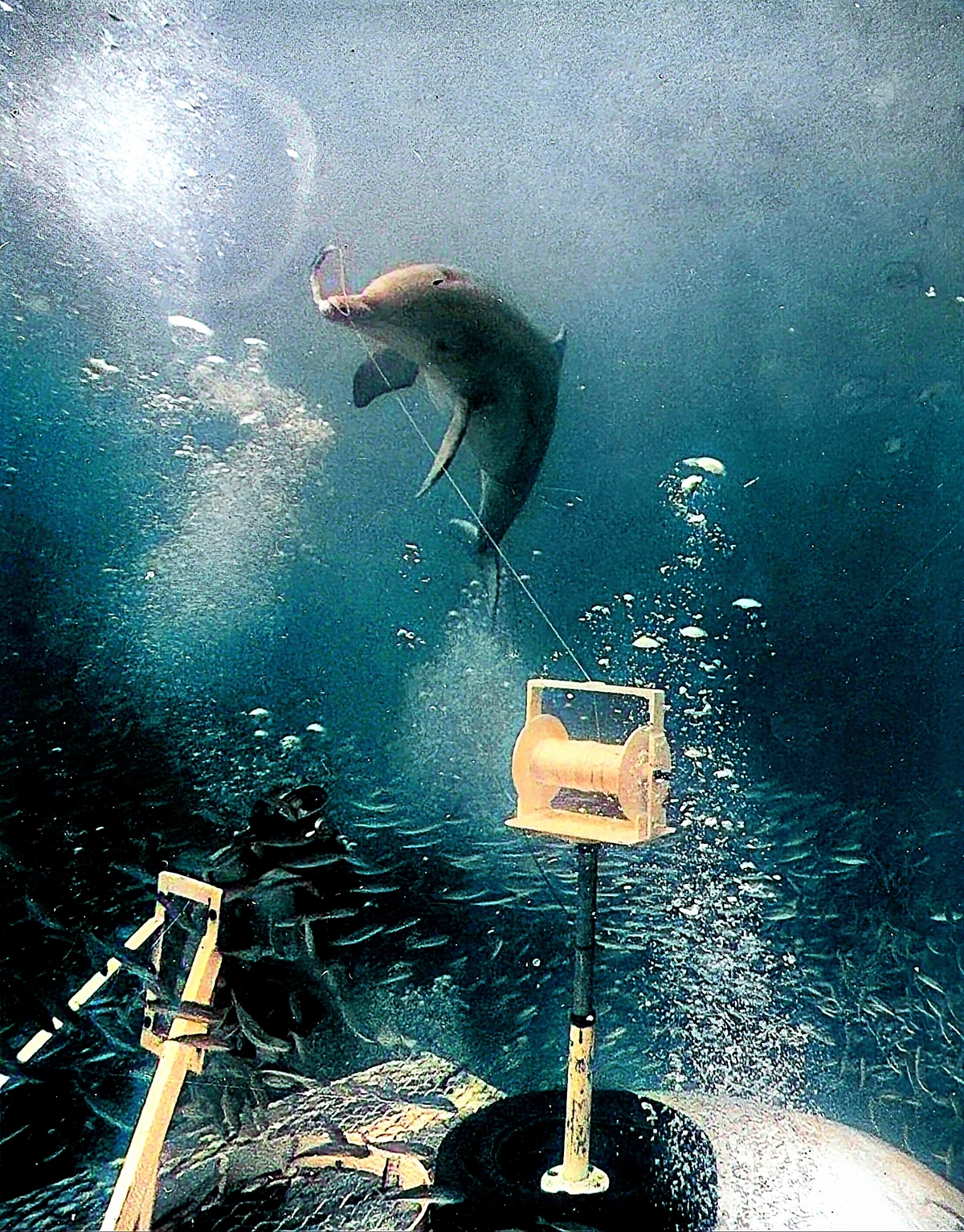 The U.S. military began exploring how to exploit marine animals’ sensing and swimming abilities for military use in the 1960s. Known as the Navy Marine Mammal Program, the effort focused on dolphins, belugas and sea lions. Dolphins received special attention because of their high intelligence, capacity for interaction with humans, fast deep-water swimming, and echolocation. Early training taught dolphins simple tasks such as transporting objects underwater and guiding lost divers. Over time, training grew more complex: dolphins were taught to locate underwater mines, mark them with identification buoys, and perform mine-clearance and reconnaissance missions to detect enemy divers and vessels.
The dolphin units first saw combat in 1965 during the Vietnam War, when five dolphins conducted maritime surveillance around Cam Ranh Bay, a U.S. staging area. Later, during the protracted Iran–Iraq War that began in 1980, attacks on nearby tankers prompted the U.S. Navy to deploy six dolphins in 1986 to patrol Bahrain’s port in the Persian Gulf, escort merchant ships and clear mines. Encouraged by those operational successes, the Navy expanded its dolphin force to more than 100 animals in the 1980s, then sharply cut the program after the Cold War ended. The former Soviet Union also operated dolphin units; Russia reportedly inherited that program and now uses dolphins to patrol naval bases in the Black Sea.
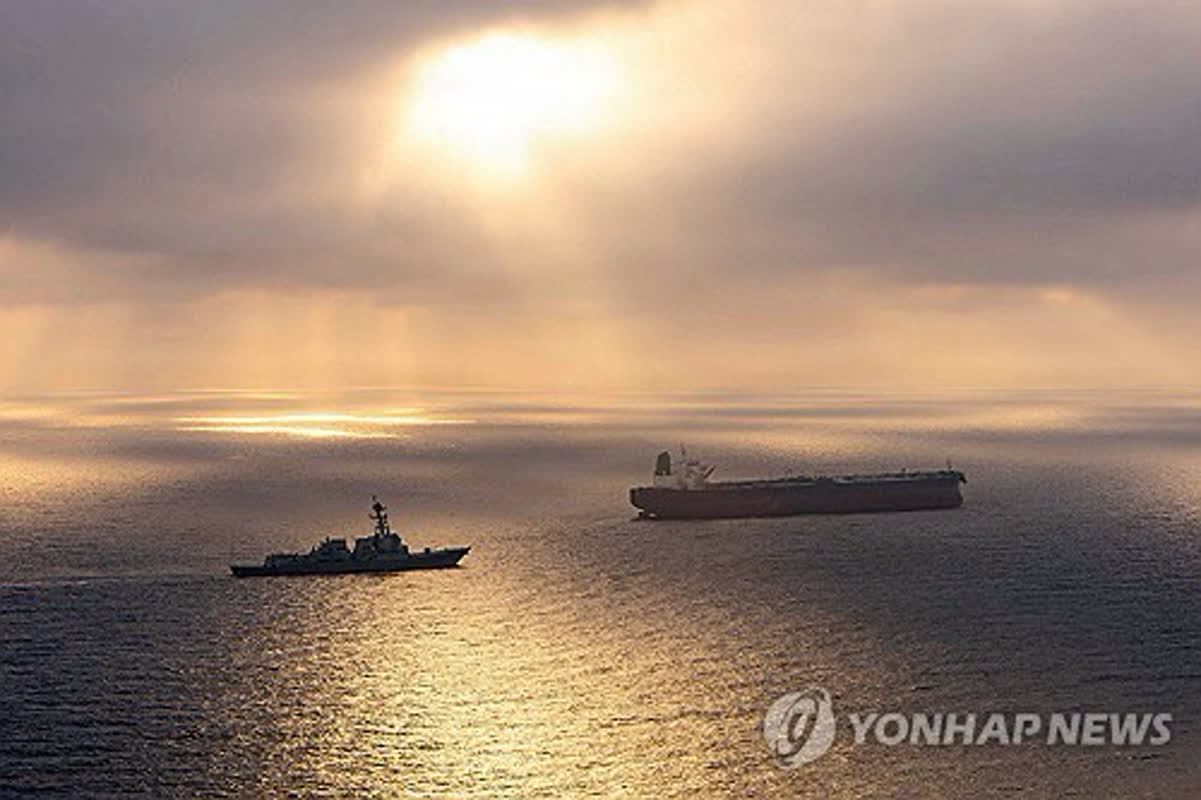
With Iran recently laying mines and moving to blockade waters around the Strait of Hormuz, dolphin units have returned to the spotlight in international coverage. To date, underwater drones and unmanned systems have led mine-clearing efforts in the strait, but future combined operations that pair dolphins with mine-countermeasure ships and drones are possible. During the Korean War, the allied landing at Wonsan was delayed more than ten days by North Korean mines; while that operation stalled, advancing Chinese forces pushed south and the allies failed to retake the area. To avoid repeating that outcome in a future crisis on the Korean Peninsula, our armed forces must develop refined, integrated mine-countermeasure capabilities comparable to those fielded by the U.S. military.
- “Lend me your bank account and I’ll give you money” — Fall for it and you’ll pay dearly. Watch out for virtual-account scams, warns Financial Supervisory Service
- No wonder it felt so slow: Crowded Incheon Airport’s ‘speed’ rating drops
- “Getting my son into medical school is so tough” — This year’s medical school freshman grade cutoffs hit a three-year high
- [트럼프 스톡커] 선물 투기꾼 배불리는 바닷길 기싸움 며칠까지How long will the maritime power play that’s fattening futures speculators last?
- Step-up loans fall 40%… Speculative demand eased, but real buyers remain jittery
- I thought AI would wipe out everything — In reality, only about 10% of jobs may disappear
- ‘호박’ 팔아 무려 45억원 벌고서는 “세금은 못 내겠다”…법원 판단은‘I made 4.5 billion KRW selling “pumpkins” and now I can’t pay taxes’ — Court rules (4.5 billion KRW ≈ 3.38 million USD)
- The end of the briquette era… prices may rise by 100 KRW as soon as next month [Pickconomy] (100 KRW ≈ $0.08)
- Blue House: President Lee’s persistence + Korean companies’ capabilities… ‘Korea-India are changing’
- In one month, ’50 billion KRW (37.5 million USD)→900 billion KRW (675 million USD)’ surge… Accounts that flooded in after retail investors dumped U.S. stocks










Most Commented