
How the CJ-10 Cruise Missile Changes the Military Balance in Asia: What You Need to Know
Daniel Kim Views
Translation result
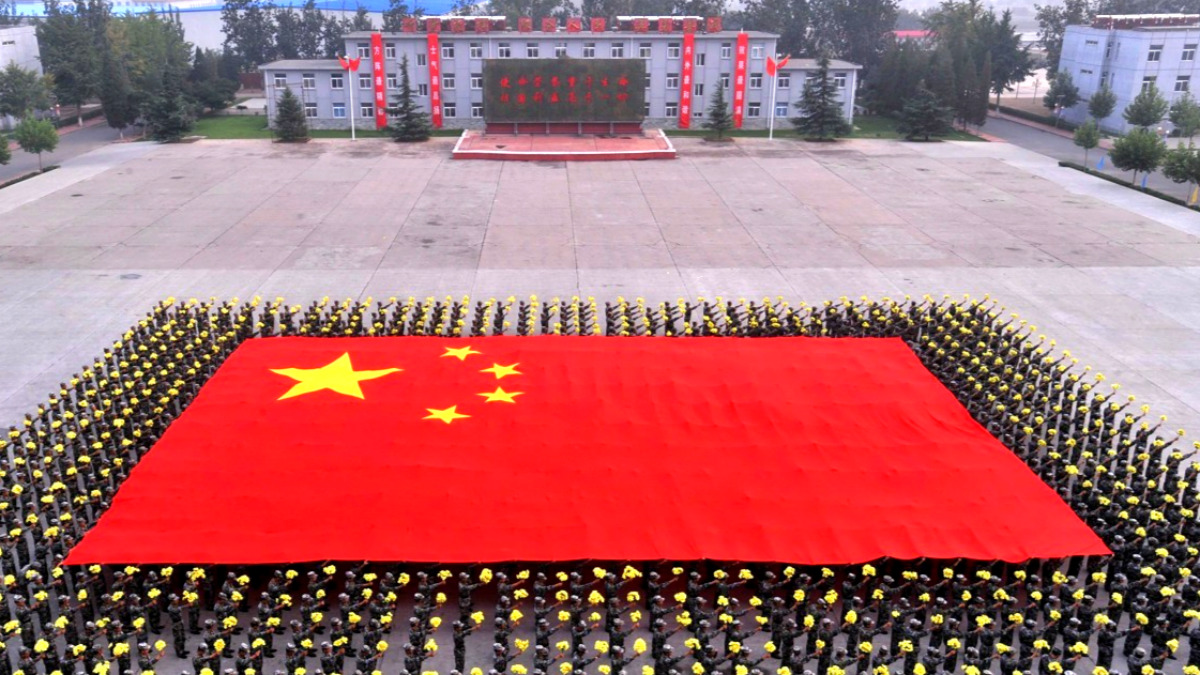
China’s Rocket Force has deployed an upgraded CJ-10 cruise missile with a substantially extended range, elevating military tensions across Northeast Asia.
Analysts estimate the weapon’s reach at roughly 2,000 km — well beyond the previous ~1,500 km class. Some defense outlets suggest the improved variant could extend to as much as 2,500 km.
Launched from inland or coastal launchers, that range would place the Korean Peninsula, large portions of Japan, and regional U.S. bases inside China’s strike envelope.
Defense observers warn that key installations such as Camp Humphreys in Pyeongtaek and Osan Air Base could fall within the potential threat zone of China’s long-range precision strike systems.
Nightmarish scenario: A Taiwan conflict could automatically draw South Korea into war
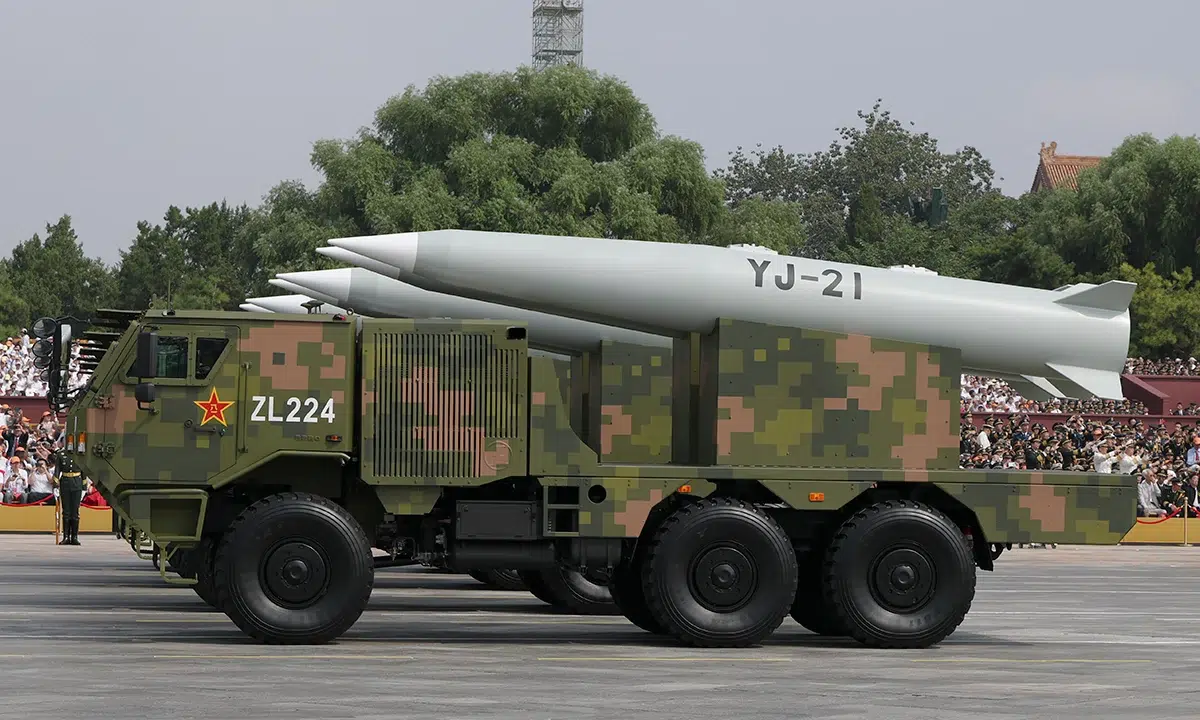
The arrival of an extended-range CJ-10 is more than a simple increase in firepower.
If an accidental clash occurs in the Taiwan Strait, Beijing could move to preempt U.S. reinforcements and logistics by striking rear-area launch sites — including U.S. bases on the Korean Peninsula.
That would effectively drag the peninsula into the conflict as a rear-support theater, regardless of Seoul’s political stance.
Open-source assessments indicate the CJ-10 family is dual-capable — fielded with conventional warheads and potentially adaptable for nuclear payloads.
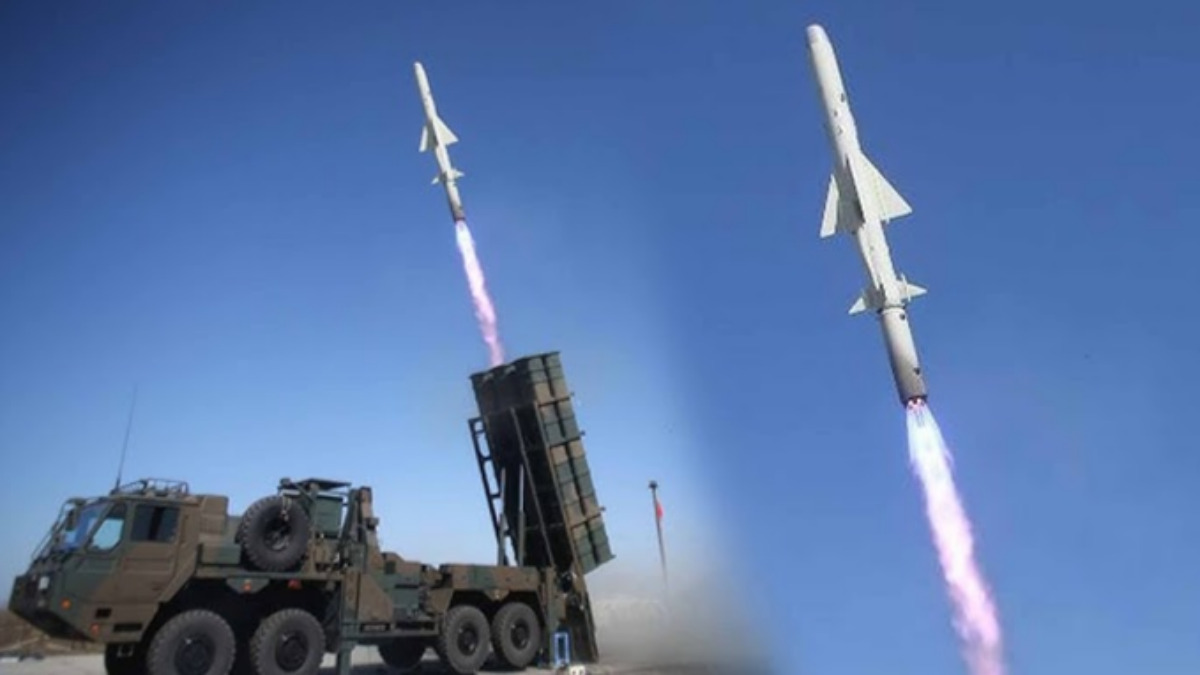
North Korea has staged shows of force by launching Hwasal-2 strategic cruise missiles — which reportedly have ranges near 2,000 km — into the East Sea. China’s CJ-10 now compounds the regional threat picture.
South Korea must therefore shoulder a more complex air and missile defense burden, accounting for threats from both North Korea and China’s long-range precision-strike systems.
Low-altitude cruise missiles THAAD can’t stop — the need to build layered air defenses
The central problem is structural: South Korea’s current air-defense architecture is optimized for high-altitude ballistic threats and remains vulnerable to low-altitude cruise missiles.
Presently, Seoul’s network emphasizes systems like THAAD and the Korea Air and Missile Defense (KAMD) framework, which are tailored to intercept ballistic missiles descending from altitudes above roughly 40 km.
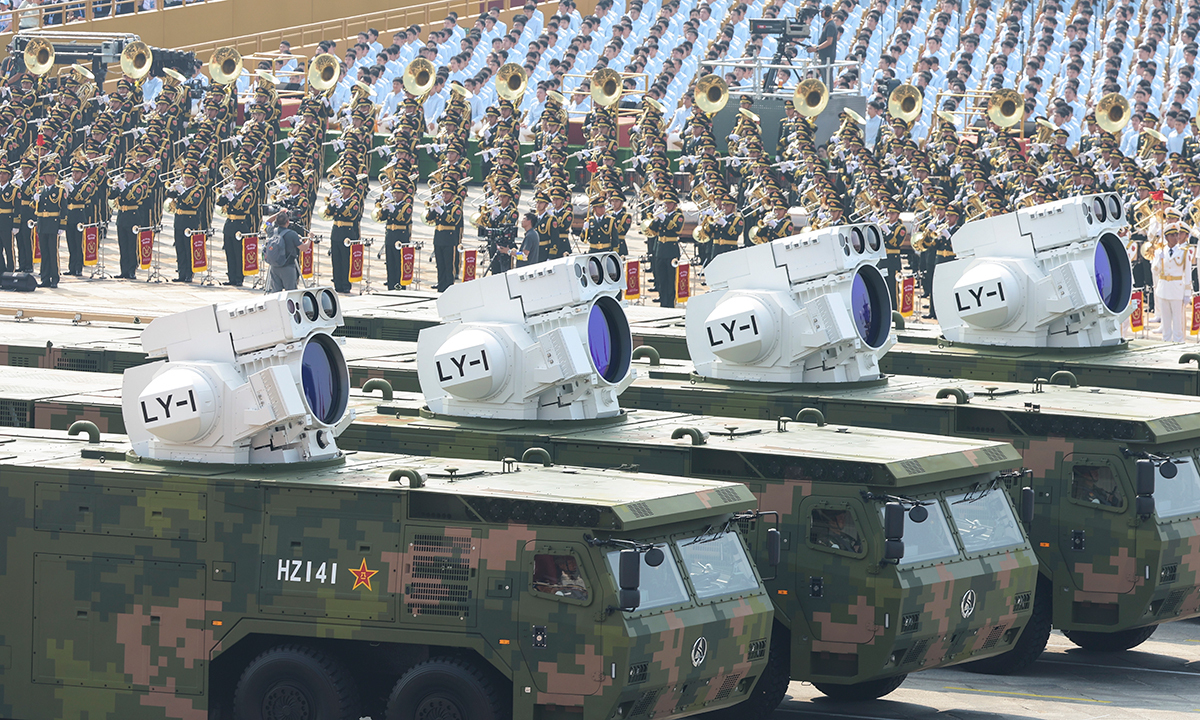
By contrast, the CJ-10 family can conduct terrain-following flight at low altitude, staying below the detection ceilings of many conventional air-defense radars.
These subsonic cruise missiles fly slower than ballistic weapons but can maneuver along valleys and mountain ridgelines, making their terminal approach and impact point hard to predict.
While systems optimized for exo-atmospheric intercepts perform well against high-altitude threats, low-altitude cruise missiles are harder to detect and engage. Experts say Seoul must bolster low-altitude surveillance and intercept capabilities to fill gaps in its ballistic-centric defenses.
Given the rapid improvement of China’s precision-strike forces, the South Korean military should accelerate upgrades to its Hyunmoo-family long-range strike systems. Analysts warn Seoul needs a credible deterrent and must close remaining coverage gaps in its air-defense posture.















Most Commented