
Translation result.
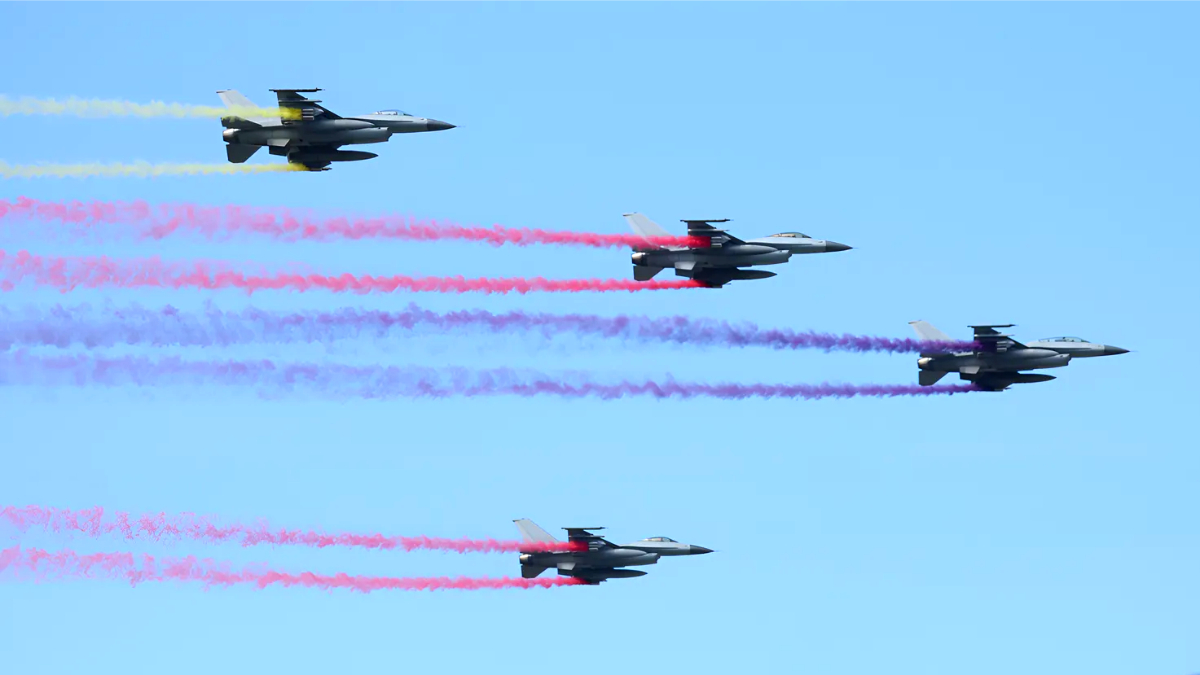
The U.S. fields about 5,200 fighters, Russia roughly 4,100 and China about 3,200. Lists that rank air forces purely by fighter count are dominated by those big numbers.
But military analysts say raw airframe counts reveal little about true combat capability.
Without stockpiles of precision-guided munitions (PGMs), surveillance assets like airborne early warning and control (AWACS) aircraft, and enough pilot flight hours to employ them, fighters are little more than scrap metal, analysts warn.
Russia’s exposed weaknesses and America’s 600 tankers
Russian pilots log roughly one-third the annual flight hours of their U.S. counterparts, analysts say. That gap has produced lethal tactical shortfalls on the battlefields of Ukraine.
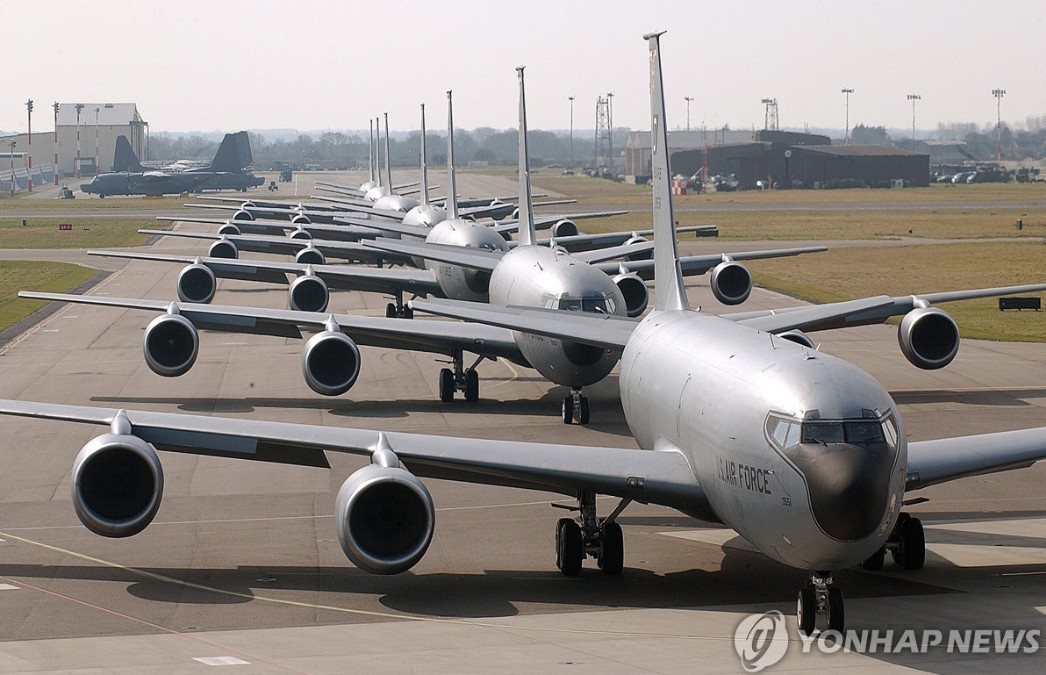
Russia’s nominal No. 2 ranking exposes the gap between numbers and capability. Reporting by defense outlets and foreign press indicates parts shortages and weak maintenance infrastructure have pushed the operational rates of Russian Aerospace Forces fighters below 50%.
By contrast, the U.S. advantage comes from aerial refueling. The United States operates more than 600 tankers — a fleet larger than the combined refueling fleets of the rest of the world.
Even China, which fields more than 3,000 fighters, has fewer than 30 tactical tankers, analysts say — a limit that makes U.S.-style, large-scale expeditionary strike operations effectively impossible for Beijing.
South Korea’s turnaround: 1,000 sorties a day
Measured by those practical metrics, South Korea’s air force looks very different. Global rankings usually place the ROK Air Force around sixth or seventh, but the compact Korean theater generates powerful operational synergy.
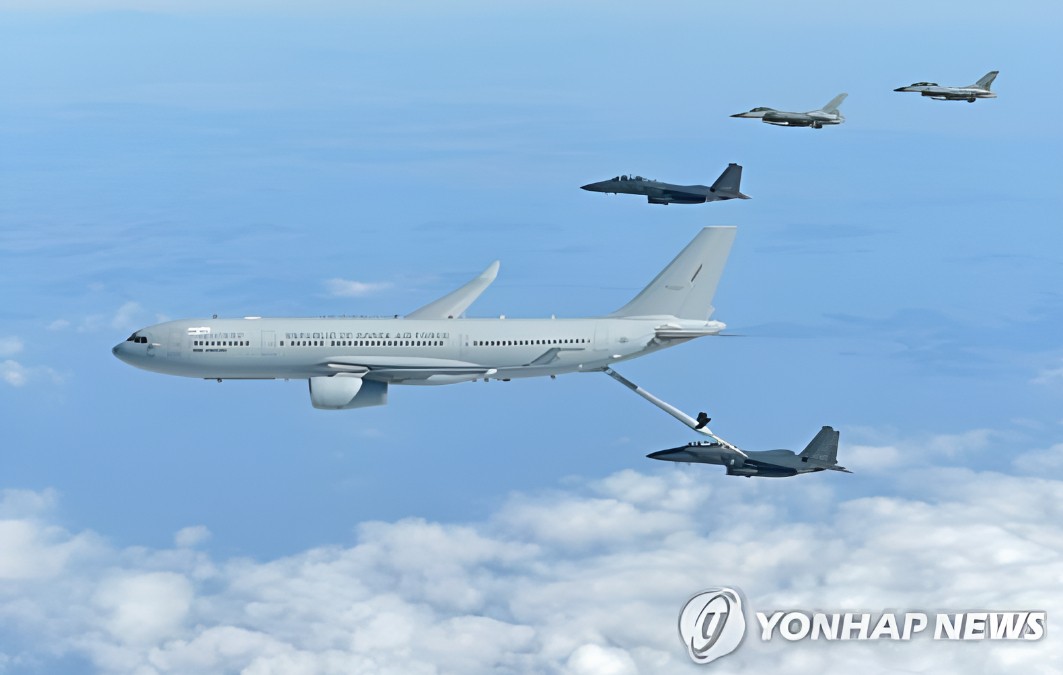
The ROK Air Force uses a dense, distributed base network and short flight distances to sustain an estimated 1,000 sorties per day in wartime.
F-35As, F-15Ks and KF-16s, armed with precision strike weapons and cycling nonstop, generate a sortie tempo few countries — outside the United States — can match.
Four newly delivered A330 Multi Role Tanker Transports (MRTTs) have extended fighters’ on-station time, serving as a true force multiplier.
Strip away headline airframe counts and focus on the ability to “launch now and strike.” Viewed that way, the argument that South Korea’s air force ranks inside the global top five is gaining traction.















Most Commented