
Military Budget vs. Meals: How $850 Billion Leaves US Troops Hungry in the Middle East
Daniel Kim Views
Translation result

Photos and testimony from families and local media indicate that U.S. service members forward-deployed to the Middle East after the outbreak of war with Iran are contending with severe supply shortfalls.
Despite one of the world’s largest defense budgets, sailors aboard forward-deployed aircraft carriers are reportedly subsisting on gray processed meat and a few carrots, highlighting glaring weaknesses in U.S. logistics and sustainment systems.
The paradox of a 1,100 trillion KRW defense budget — isolated U.S. carrier rations in the Middle East (about $825 billion)
Mess trays aboard the amphibious assault ship USS Tripoli and the aircraft carrier USS Abraham Lincoln fell far short of what the force’s reputation would suggest.
Photos shared with families and local outlets showed lunch reduced to a spoonful of shredded meat and a thin tortilla. Dinner reportedly consisted of a few boiled carrots, a dry patty and a lump of gray processed meat of indeterminate origin.
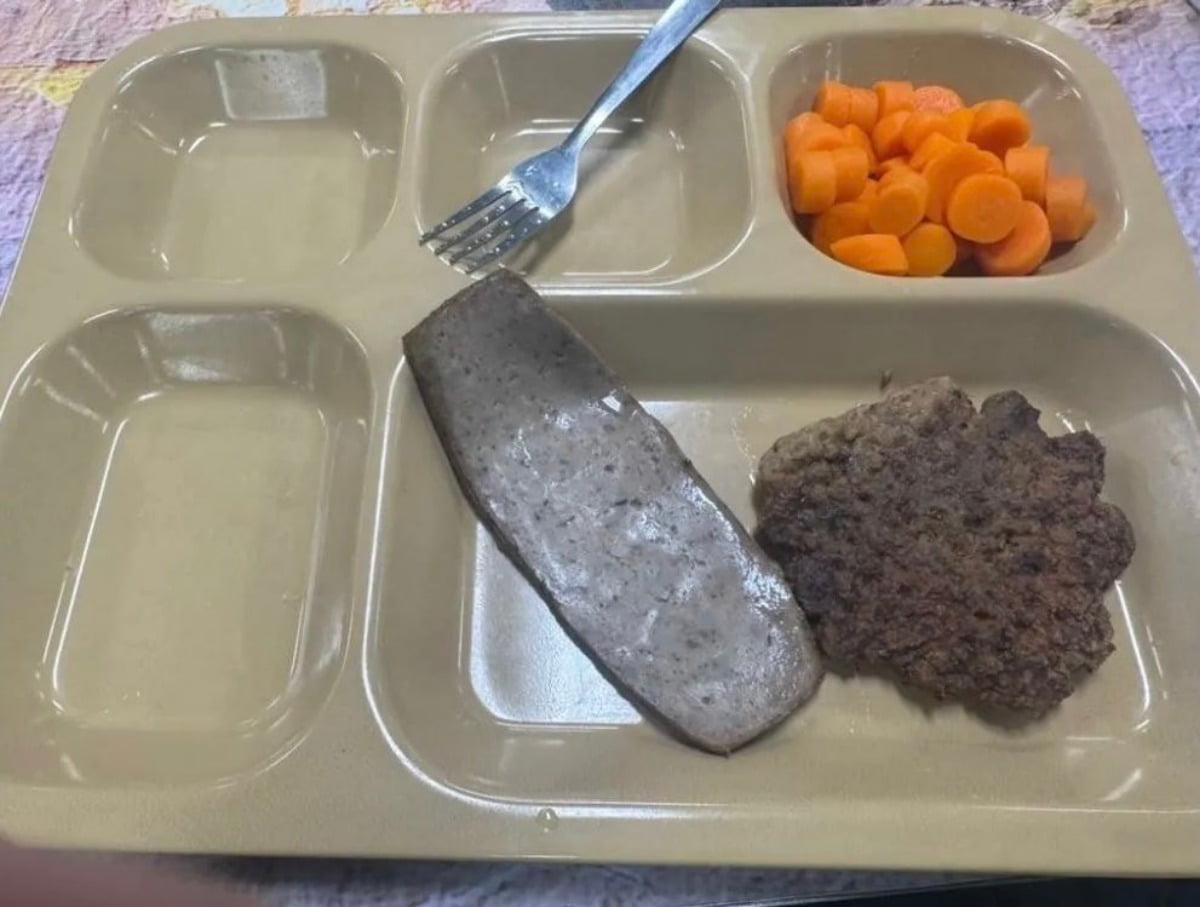
With fresh provisions effectively cut off, crew members have been dividing and sharing the ration packs they receive just to make it through the day.
One Marine told family members that supplies were nearly exhausted and unit morale had hit an all-time low.
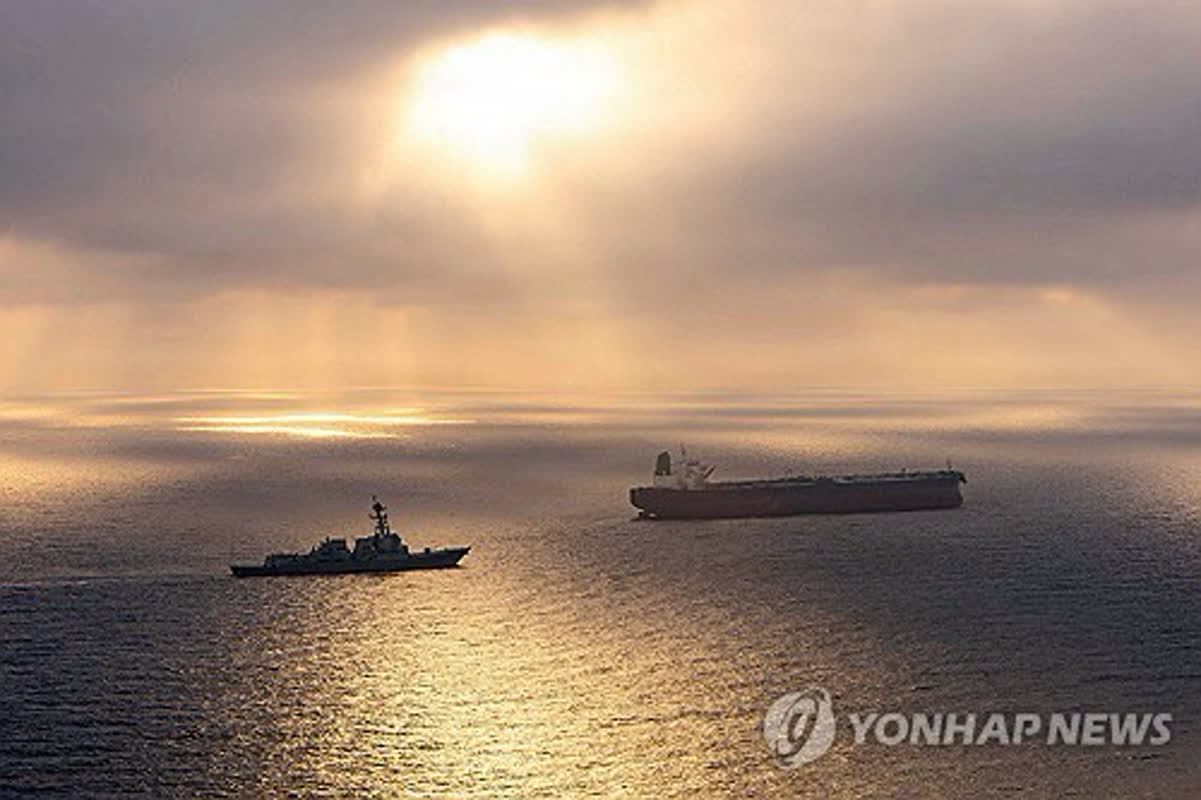
The U.S. defense budget totals roughly 1,100 trillion KRW (about $825 billion) annually. Analysts estimate that keeping a single carrier strike group on station in the Middle East can cost on the order of 10 billion KRW per day (roughly $7.5 million daily).
Yet the food served to the sailors and Marines, the forces executing the mission every day, remains alarmingly inadequate. Critics say the Pentagon fields advanced weaponry while failing at the fundamental task of sustaining personnel at the point of operations.
Even mail halted at sea — the Pentagon insists “no problem”
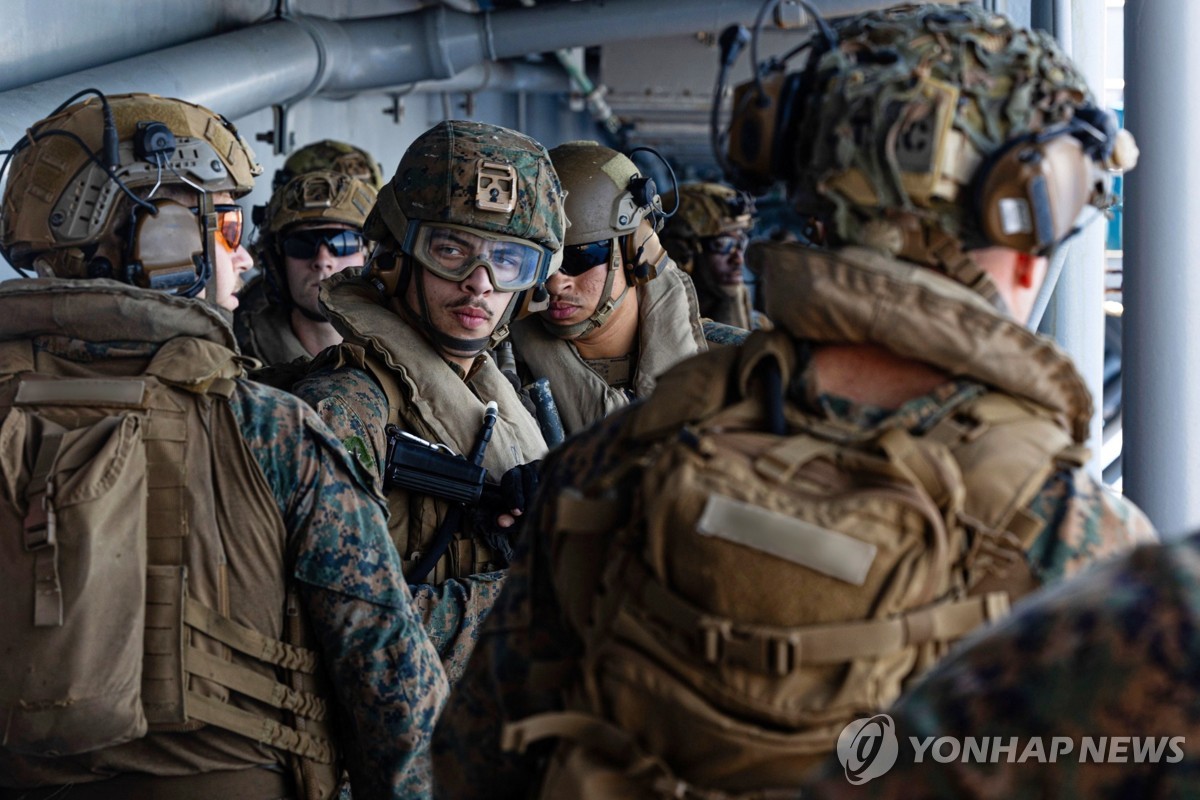
Even care packages sent by families—snacks and personal essentials dispatched after reports of poor rations—have not reached deployed ships. The packages are reportedly stuck outside theater.
Officials say ongoing hostilities have closed airspace and disrupted supply lines.
In early April, the U.S. Postal Service and military postal authorities suspended deliveries to military ZIP codes across the Middle East. They have not announced a timeline for resuming service, leaving mail already in transit stored at military facilities with no clear release date.
As the backlash grew, the Defense Department moved quickly to manage the message.

Defense Secretary Pete Hegseth said CENTCOM conducts daily inspections and that both the Lincoln and Tripoli carry more than 30 days’ worth of food. He also said sailors are receiving top treatment.
But photos of empty trays and on-the-record complaints from deployed personnel contradict that assessment. The disconnect between frontline reports and senior leadership statements suggests the debate over sustainment and logistics will continue as the conflict drags on. Maintaining supply lines remains one of the Pentagon’s oldest and most critical challenges.











Most Commented