
North Korea’s Military Transformation of Kaesong: What It Means for Seoul’s Security in 2026
Daniel Kim Views
Translation result.
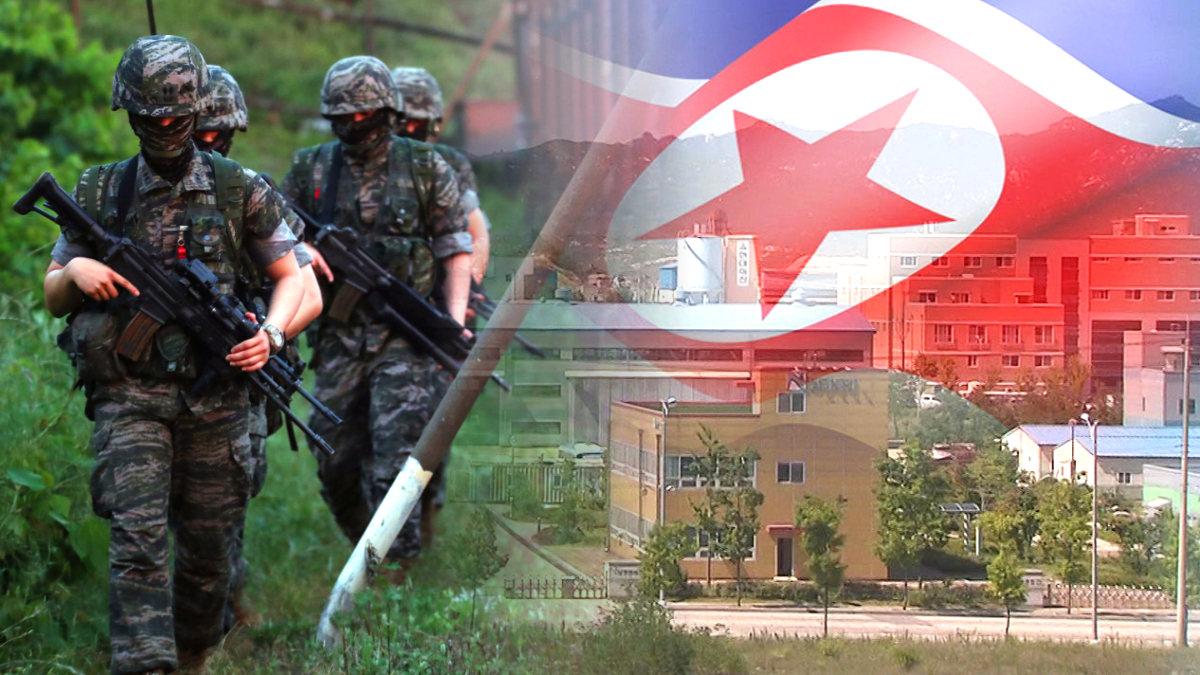
Official documents indicate North Korea is converting Kaesong — once a symbol of inter-Korean economic cooperation — into a fortified military zone.
By designating the area as the “first-line outpost” in its struggle against the South, Pyongyang has raised concern that the heavy firepower and units it once pulled back to enable the Kaesong Industrial Complex could be redeployed forward, right up to Seoul’s doorstep.
Analysts say Kim Jong Un’s campaign of intense pressure against the South — including moves to harden the physical border in line with state policy — appears to be entering a new, decisive phase.
From a symbol of peace back to a ‘gateway for invasion’
The December 2025 issue of Workers, the official publication of the Workers’ Party Central Committee, explicitly labels Kaesong a southern border gateway and the first-line outpost in the struggle against the enemy.
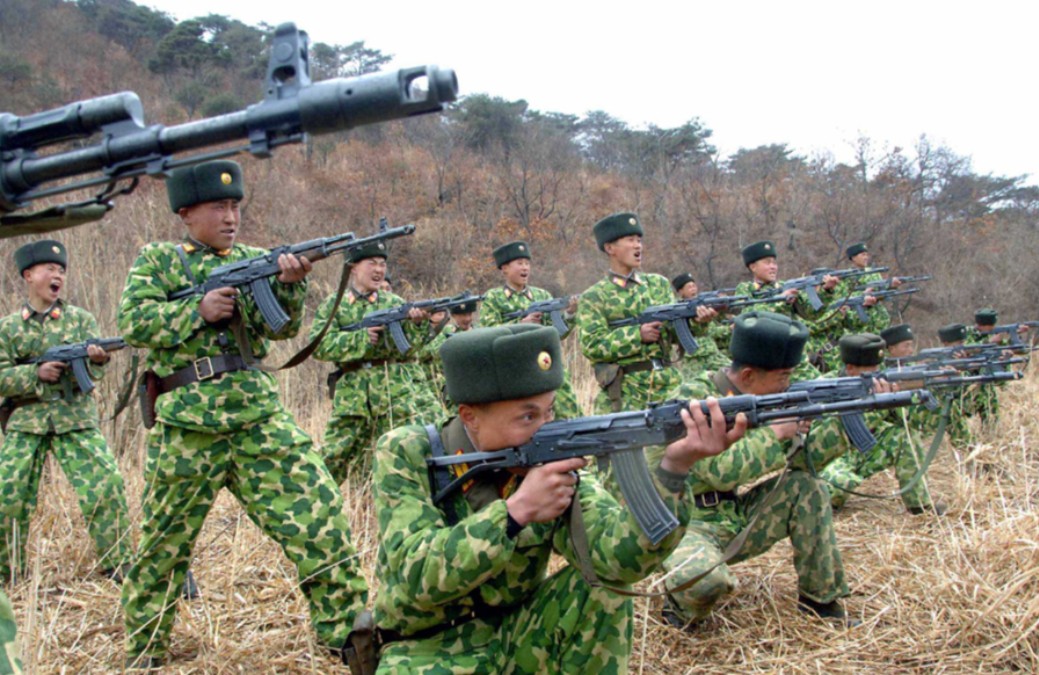
The article called on members of the Social Security Forces — who handle policing and security in Kaesong — to be ready for combat mobilization, effectively signaling the area’s conversion to military use.
Kaesong’s geopolitical role has shifted sharply with the ebb and flow of inter-Korean relations.
Before the June 15, 2000 inter-Korean summit, Kaesong was a forward military hub, with elite units — including the 6th and 64th divisions and the 62nd artillery brigade — densely garrisoned in the area.
After the summit, Kim Jong Il overcame strong opposition within the military and ordered those units moved 10–15 km north of Mount Songaksan, creating space for the Kaesong Industrial Complex and a period of limited cooperation.
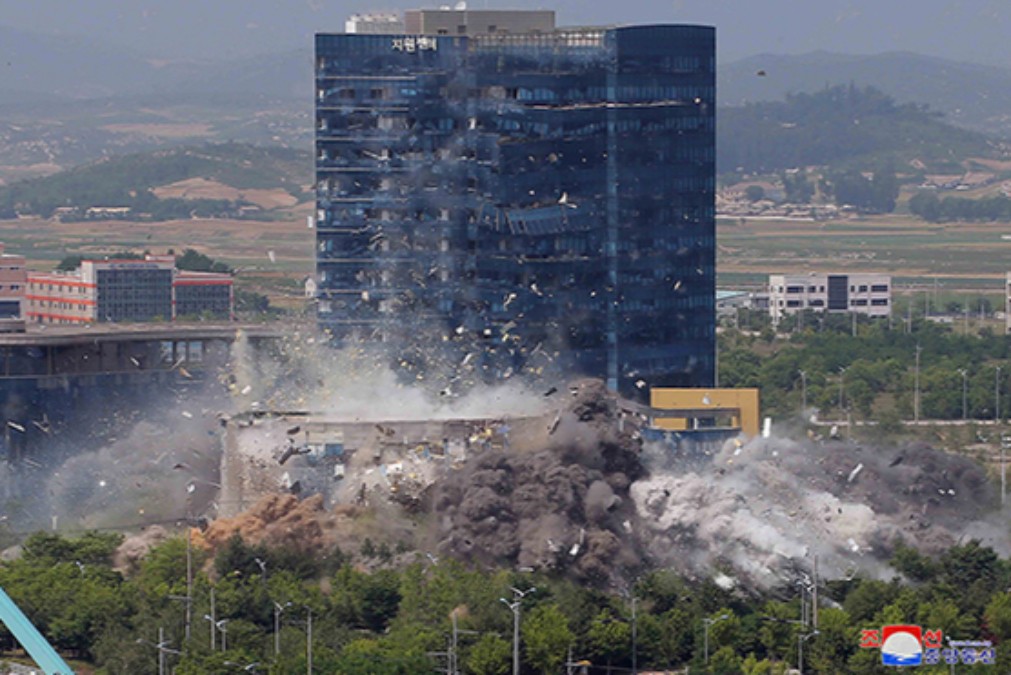
That period of relative calm ended quickly. Shortly after North Korea blew up the inter-Korean liaison office in June 2020, the General Staff threatened to redeploy regiment-sized and firepower units to the Kaesong Industrial Zone.
Now, having steadily stoked hostility toward the South, North Korea has formalized on its party organ the shift of Kaesong from a cooperation hub into a military stronghold.
50 km to Seoul: a critical threat to the capital’s defenses
Military officials view Kaesong’s militarization with alarm because it lies only about 50 km in a straight line from central Seoul.
If Pyongyang redeploys long-range artillery systems it once withdrew — notably 170 mm self-propelled guns and 240 mm multiple-rocket launchers — to the Kaesong area, South Korea will need to fundamentally revise its capital-defense plans. Those systems, positioned closer to Seoul, would have significantly shorter effective standoff distances than when they were north of Songaksan.
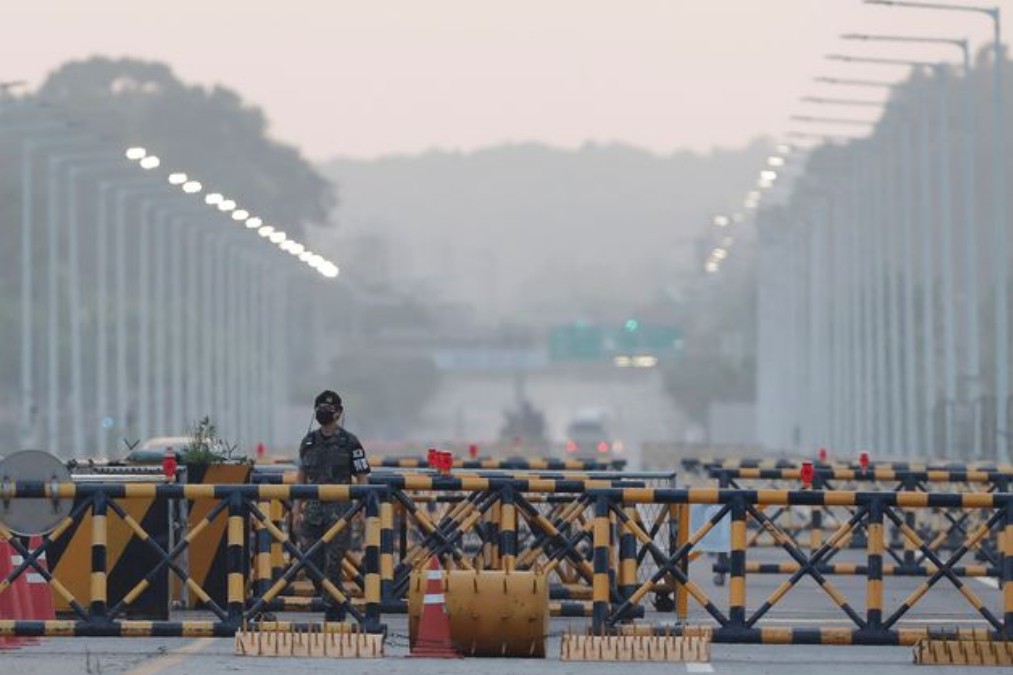
That posture would place northern and central Seoul — and key infrastructure in southern Gyeonggi, including cities such as Suwon and Anyang — within immediate range. The window for our forces to intercept incoming rounds or for civilians to evacuate after an attack would shrink dramatically.
The terrain amplifies the danger. The corridor from Kaesong through Paju and Munsan to Seoul is largely flat and unobstructed, making it a preferred axis for rapid armored advances.
It would also create options for maritime flanking via the Imjin River estuary and the West Sea, and raise the risk of surprise strikes against strategic facilities like Incheon International Airport.
With North Korean firepower shifted south of the DMZ and now within striking distance, officials must urgently reassess whether South Korea’s kill chain and metropolitan air defenses — equipped with advanced systems — can maintain adequate control.















Most Commented