
Translation result
Starlink outage strikes ahead of $2 trillion IPO
Questions grow over heavy reliance on private firms
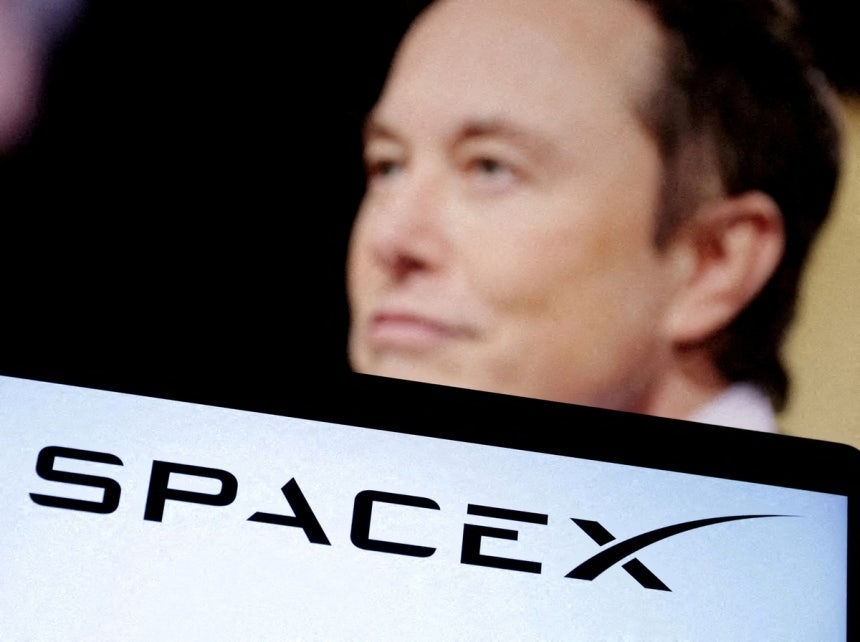 Elon Musk’s SpaceX, which is preparing what could be the largest initial public offering in history, experienced a Starlink communications outage that disrupted a U.S. Navy unmanned-vessel test, Reuters reported. The episode has renewed concerns about how much critical national security infrastructure now depends on a single private company and has become a potential political and reputational headache as SpaceX eyes a stock market debut.
According to Reuters on the 16th (local time), the Navy halted an unmanned-ship test it ran last August for about an hour. The exercise was validating advanced systems intended to improve response capabilities in a simulated clash with China when the Starlink network supporting the operation failed.
The failure left roughly 20 unmanned surface vessels deployed off the California coast cut off from communications and drifting — an unprecedented situation for the service.
Reuters found similar problems had occurred before. In April of last year, trials involving unmanned ships and drones saw data traffic spike when operators tried to control many vehicles at once, triggering Starlink errors and revealing limits in the system.
SpaceX, pursuing an IPO this summer with an estimated valuation of about $2 trillion, has become a key U.S. government partner thanks to its satellite communications and launch capabilities. Starlink, in particular, relies on a low‑Earth‑orbit constellation of roughly 10,000 satellites and plays a significant role in several military programs.
But the recent Navy incidents have highlighted concerns that heavy dependence on Starlink could create structural vulnerabilities for the military. Analysts warn that relying too much on a single company could reduce resilience and introduce single‑point failure risks.
Still, viable alternatives are scarce. SpaceX has an overwhelming lead in low‑Earth‑orbit communications, and many in government argue that the practical benefits of an affordable, widely available commercial service outweigh the risks posed by occasional outages or by market concentration. Brian Clark of the Hudson Institute said, “We accept a certain level of vulnerability because the service delivers broad connectivity.”
- [Exclusive] Japan also eases capital rules…South Korean banks could face a 40 trillion KRW burden (about $30 billion)
- They earned 1 trillion KRW every day in March…this country quietly profited from the Iran war (about $750 million per day)
- From semiconductors to robots, space and defense…pension money could push 500 trillion KRW this year (about $375 billion)
- Who still profits from real estate?…’New wealthy’ with assets of 6 billion KRW looked different (about $4.5 million)
- Final rush of multi-home sellers floods the market…Seoul land-exemption applications rise seven weeks in a row [Kojubu]
- How much did I give for the wedding gift?…the mystery of a 40-year-old coworker’s ‘no-wedding’ invitation
- A 582% surge in a single day…a company stopped selling shoes, announced ‘AI’ and stock exploded
- No place to leave newborns…’age 0 exam’ trends spread in new towns
- These days everyone says don’t trade stocks: Soldiers wiped out paychecks with margin trading…government intervenes
- House prices track Samsung and Hynix bonuses…home values near semiconductor plants move [Jipshelan]












Most Commented