
Stranded at Sea: The Desperate Situation of 20,000 Crew Members in the Hormuz Strait
Daniel Kim Views
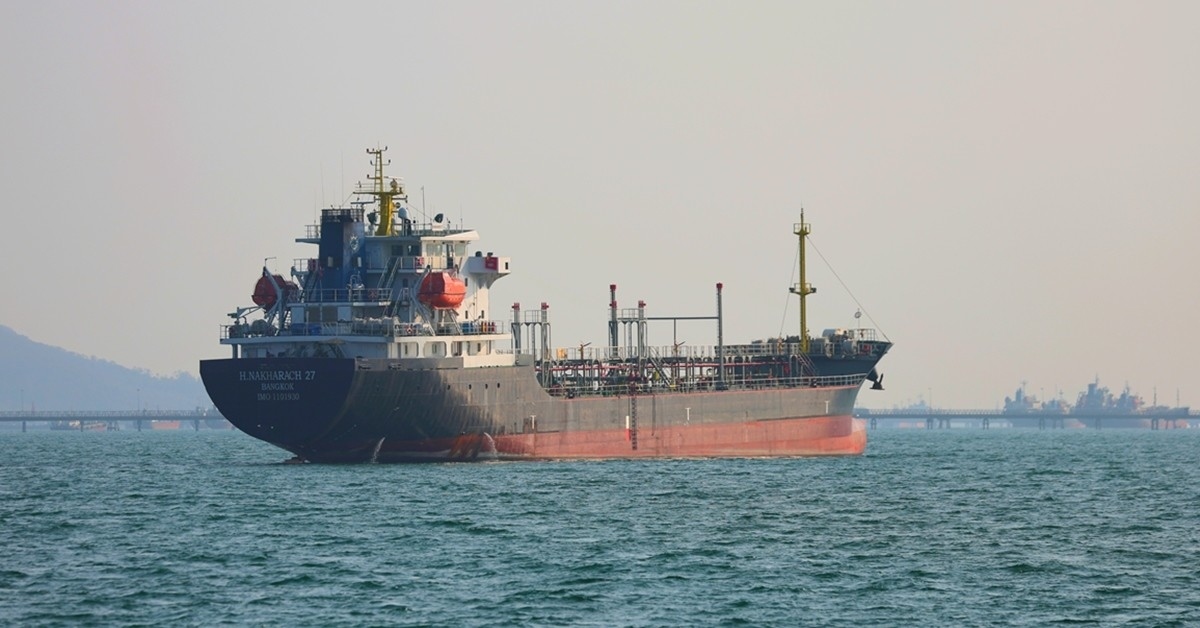
Iran’s abrupt closure of the Strait of Hormuz has left roughly 20,000 multinational mariners stranded in nearby waters, and sources say their desperate situation has now reached a breaking point.
After six weeks adrift amid sustained military tension and daily threats to their safety, many crew members are showing signs of psychological collapse and say they have reached their limits. Some have cried out, “I’d rather quit my job and go home,” a plea that underscores how dire conditions have become around the strait.
On the 9th (local time), the U.K. daily The Guardian published an on-the-ground report detailing the situation.
The report says seafarers trapped in the area face the twin threats of indiscriminate drone attacks from Iran and the danger of mines detonating beneath the surface, effectively leaving them in a hostage-like state.
The outlet emphasized the urgent need for international humanitarian measures and conducted in-depth interviews with tanker crew members held in the area.
A crew member identified as A, who works aboard a large tanker anchored off the United Arab Emirates, gave a vivid account of the atmosphere on board. A said they had tried to minimize the psychological impact but now find that impossible; six weeks of accumulated fear, they said, have completely broken down their mental defenses.
“Dozens of oil-laden tankers are sitting immobilized around us,” A said, describing an environment so volatile that a single spark could trigger a catastrophic incident.
Two weeks ago, a traumatic event unfolded within view of the stranded crews and dramatically increased their fear. A Kuwait-flagged tanker in nearby waters was struck directly by a missile launched by Iran and erupted in massive flames — a scene witnessed by many on nearby ships.
Having watched a vessel carrying highly flammable cargo burn, seafarers now live with the constant, visceral fear that their own ships could be targeted at any moment. Even after a high-profile cease-fire agreement between the United States and Iran, anxiety at sea has not eased, and calls to return home immediately for the sake of survival are growing louder.
Threats to crews have persisted despite the cease-fire. Missile intercept trails and other overt indicators of military activity have appeared overhead, and the life-threatening conditions show no sign of abating, prompting many sailors to refuse to sail because they fear for their lives.
A said he told his captain a month ago that he would not transit the Strait of Hormuz, making clear he would not comply with orders that he considered reckless.
He added that roughly 90% of his fellow crew members want to exercise their right to refuse dangerous assignments, reflecting the prevailing sentiment on board.
The human cost of prolonged stress is already showing. One of A’s colleagues has displayed severe signs of psychological breakdown after sustained life-threatening conditions and extreme stress, and is now kept under constant watch by fellow crew to prevent further incidents.
The International Transport Workers’ Federation (ITF) reports it has received more than 1,000 urgent counseling requests from roughly 300 vessels since the outbreak of hostilities. About 20% of sailors who sought help said they would prefer to return home early for survival, even if it meant abandoning their duties. In addition to psychological trauma, Iran’s blockade and the resulting prolonged isolation have worsened shortages of food, drinking water and essential fuel, compounding the crews’ suffering.
Shipping industry experts warn the severe psychological trauma afflicting these stranded seafarers cannot be ignored and are calling for humanitarian intervention. They urge immediate rescue operations and the deployment of replacement crews to relieve those trapped by extreme fear.
Get your daily horoscope report — how will your day go?











Most Commented