
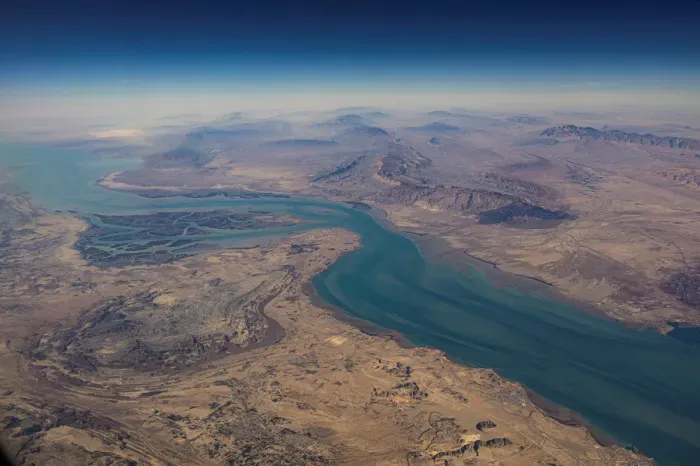
Analysts warn that even if Iran reopens the Strait of Hormuz, merchant and naval vessels will still face significant obstacles transiting the waterway.
The New York Times reported on April 10 that Tehran tried to expand ship traffic through the strait but has been unable to do so because it cannot pinpoint the exact locations of mines it laid there. Even if Iran formally permits passage, shipping companies and naval commanders may avoid the corridor without reliable mine-location data.
U.S. officials, the paper says, doubt whether Iran recorded the positions of every mine. Some of the devices are drifting mines rather than anchored ones, which makes them harder to track and remove. For that reason, U.S. officials say routes will likely remain constrained despite Iran publishing charts it calls safe lanes.
The Times also reported that Iran lacks the capacity to clear the mines it deployed. Analysts warn that this shortfall could become a major variable in the cease-fire talks between the U.S. and Iran that began in Pakistan.
Iranian Foreign Minister Abbas Araghchi said immediately after the cease-fire declaration that Tehran would open the Strait of Hormuz “within the limits of technical constraints,” and analysts say those constraints are likely tied to the mine threat.












Most Commented