
Iran’s Hormuz Strait Closure: What It Means for Global Oil Supply After Ceasefire Agreement
Daniel Kim Views
Translation result
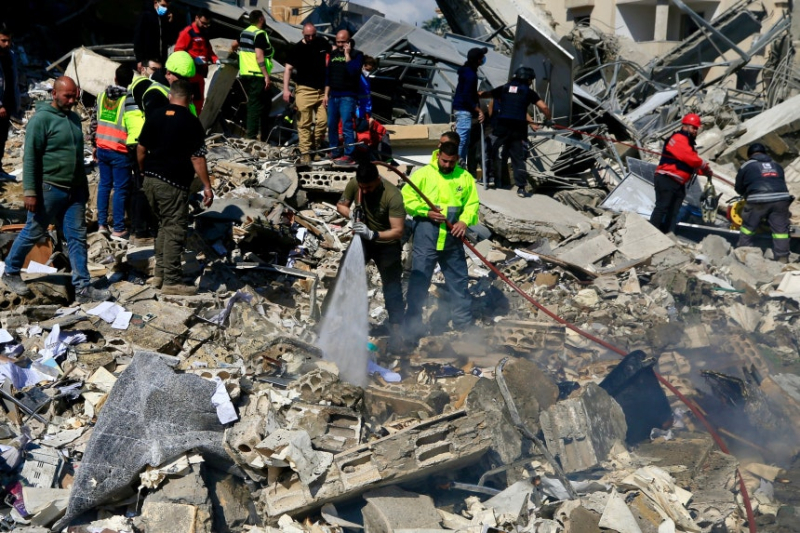
The two-week truce that the U.S. and Iran narrowly clinched began to wobble as soon as it took effect. Within hours, Israel launched large-scale airstrikes across Lebanon. Iran accused Israel of violating the truce and again threatened to reclose the Strait of Hormuz. The U.S. warned Tehran it would face severe consequences if it broke the agreement.
On the 8th (local time), Iran’s state-run PressTV reported that the Strait of Hormuz—which had briefly reopened after the truce—was now fully closed, with tankers attempting to transit turning back.
The escalation was triggered by Israeli strikes targeting the Iran-backed militia Hezbollah in Lebanon. On the truce’s first day, Israel struck more than 100 sites across the country. Lebanon’s health ministry reported at least 182 dead and 890 wounded. Because strikes hit densely populated areas and many people remain trapped under rubble, casualties could rise.
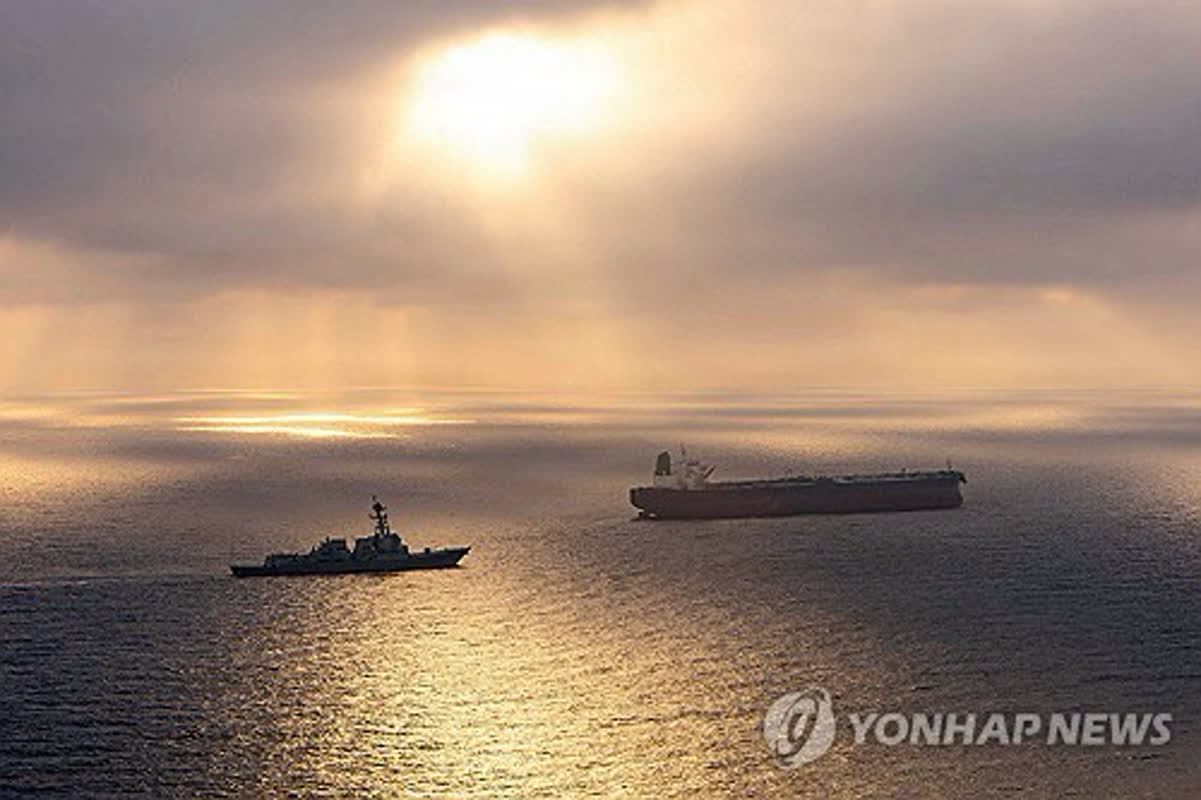
The situation in the Strait of Hormuz—a critical shipping lane carrying about 25% of the world’s seaborne oil—deteriorated again. Merchant traffic briefly resumed after the truce announcement, but when Israeli strikes continued, the Iranian navy declared a full closure of the strait. Maritime tracking data show vessels that had been exiting the strait abruptly turning back.
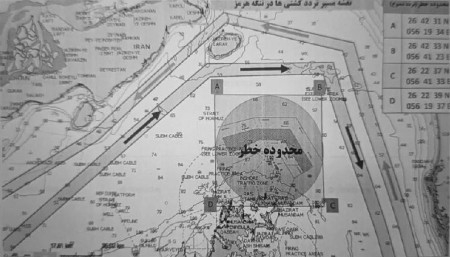
Iran also tightened control over vessels transiting the waterway. According to the semi-official Tasnim news agency and other outlets, Tehran now requires ships to obtain approval from the Islamic Revolutionary Guard Corps and to follow designated routes. Citing mine risks, Iran proposed a new alternate lane near Larak Island. Published charts show sections of the usual route marked as “danger zones,” raising the possibility that mines were laid during the fighting.
The U.S. pushed back. On the 9th (local time), President Trump posted on Truth Social that “all U.S. ships, aircraft, and troops will remain in place until Iran fully complies with the real agreement.” He warned that “if, for any reason, the agreement is not carried out—a very unlikely possibility—gunfire will begin, and the scale and intensity will be unlike anything anyone has seen before.”
Negotiations, however, remain possible. White House spokesperson Karoline Leavitt said Iran’s initial package of 10 ceasefire demands was unacceptable and “thrown in the trash,” but added that Tehran has returned modified terms. A U.S. delegation led by Vice President J.D. Vance is scheduled to attend the first ceasefire talks on the 11th (local time) in Pakistan, which is acting as mediator; the truce’s fate will likely hinge on the outcome of those talks.











Most Commented