
Translation result.
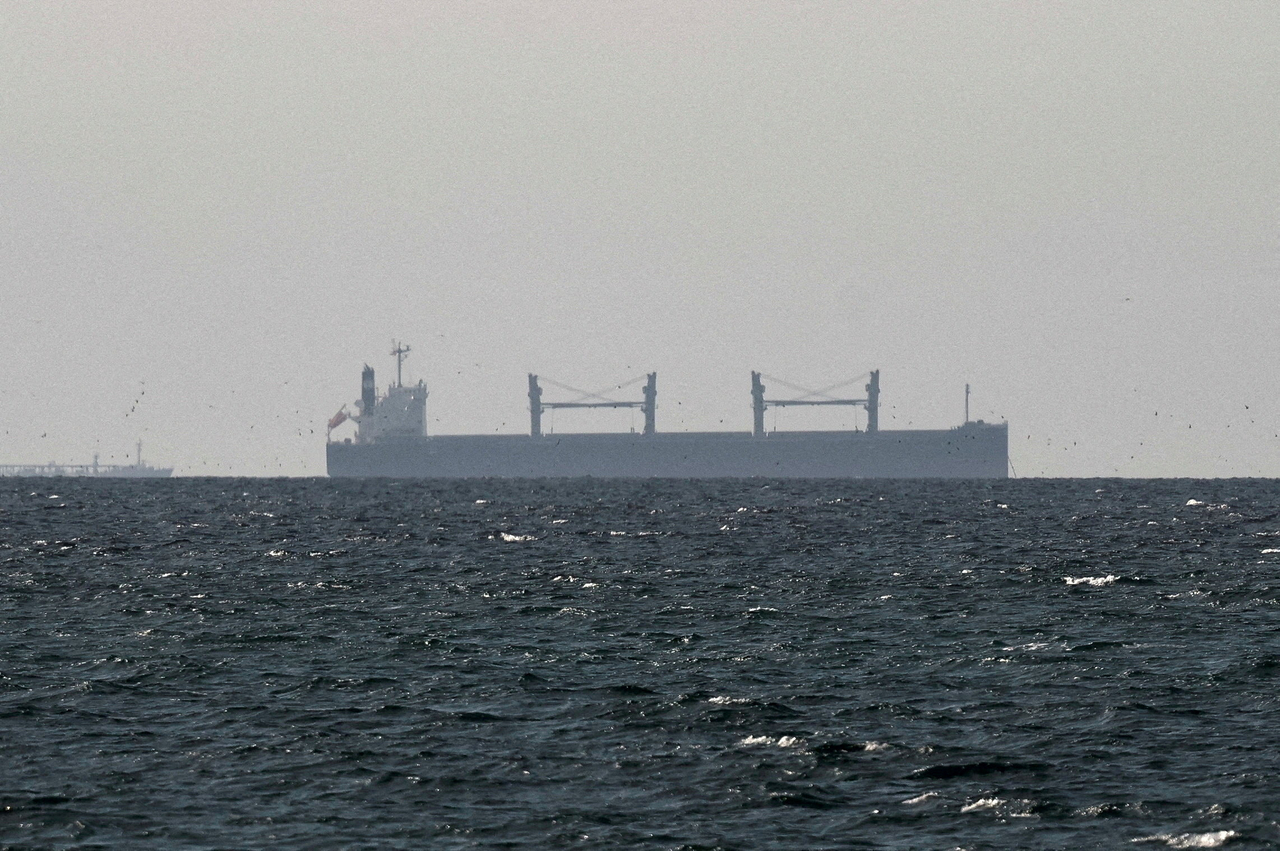
[Herald Economy = Reporter Lee Won-yul] Authorities said partial human remains believed to be those of missing sailors were recovered inside the Thai cargo ship Mayurinari, which ran aground after an Iranian missile strike in the Strait of Hormuz last month.
On April 4 (local time), Thai broadcaster ThaiPBS reported that Precious Shipping, the vessel’s operator, said a second, detailed sweep of the ship located partial remains consistent with a missing person.
The company said in a statement that searchers found the remains in a damaged section of the vessel, but that identities and the total number of remains have not been confirmed.
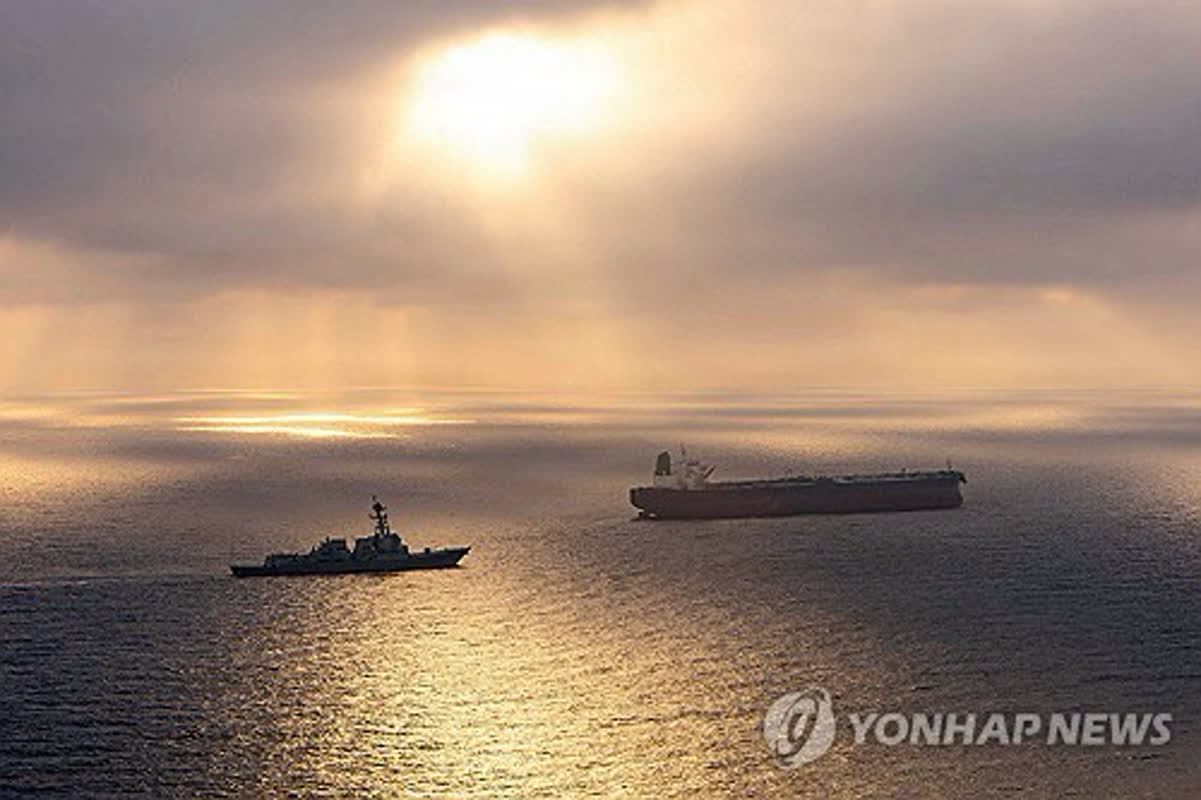
The Mayurinari departed Khalifa Port in the United Arab Emirates. On March 11, while transiting the Strait of Hormuz, it was struck by an Iranian missile, triggering fire and flooding and ultimately leaving the ship aground.
Twenty crewmen abandoned ship and were rescued by the Royal Navy of Oman, but three crew members remained unaccounted for.
Investigators suspect the missing seafarers were working in the engine room when the strike sealed them inside. Heavy flooding around that compartment hindered search teams’ efforts to reach the area.
Thailand’s Ministry of Foreign Affairs expressed deep regret over the incident and informed the families of the missing crew about the discovery of remains.
At the time of the attack, Iran’s Islamic Revolutionary Guard Corps said it had struck four vessels — including the Mayurinari and ships registered to Thailand, Israel and Japan — claiming they ignored warnings while operating in the Strait of Hormuz.
At the end of March, Thai Prime Minister Anutin Chanvirakul said Bangkok reached an agreement with Iran to ensure Thai tankers can transit the Strait of Hormuz safely.
At a news conference, Anutin said, “We reached an agreement with Iran to ensure Thai tankers can pass safely through the Strait of Hormuz,” and added that the deal increased confidence that the fuel supply disruptions seen earlier this month would not recur.
He said he hoped the conflict in the Middle East would end soon and that the Thai government would continue to adjust measures to minimize the impact on citizens as the situation evolves.
The Strait of Hormuz, at the entrance to the Gulf, is a strategic energy choke point through which roughly 20% of the world’s crude oil shipments transit.
Since tensions in the Middle East escalated, the effective disruption of traffic through the Strait has left Thailand — like other Southeast Asian nations — facing significant fuel supply challenges.










Most Commented