
China and Pakistan Unveil 5 Key Initiatives for Middle East Peace Amid Ongoing Conflict
Daniel Kim Views
Translation result
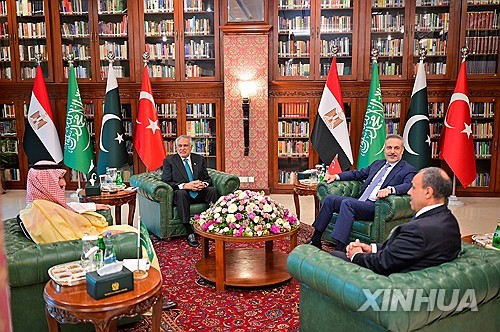
Ishaq Dar, Pakistan’s deputy prime minister and foreign minister (second from left), at a four-nation foreign ministers’ meeting in Pakistan on April 29[Xinhua/Yonhap News — Reproduction and database storage prohibited][Xinhua/Yonhap News — Reproduction and database storage prohibited]
China and Pakistan — with Pakistan positioning itself as a mediator in the Iran-related conflict — announced a set of Middle East peace principles calling for an immediate cease-fire and guarantees to restore normal navigation through the Strait of Hormuz.
On the 31st, China’s Foreign Ministry said Ishaq Dar, Pakistan’s deputy prime minister and foreign minister, visited Beijing at the invitation of Chinese Foreign Minister Wang Yi.
After talks in Beijing, the two governments released a joint document titled \”Five Initiatives by China and Pakistan to Restore Peace and Stability in the Gulf and the Middle East.\”
The five initiatives call for an immediate halt to hostile actions; the swift launch of peace talks; protection of civilian and nonmilitary targets; guarantees for safe navigation; and respect for the primacy of the UN Charter.
The document urges an immediate cease-fire and an end to the war, calling for steps to contain the conflict and ensure humanitarian assistance reaches all areas affected by the fighting.
It also says the sovereignty, territorial integrity, independence and security of Iran and other Gulf states must be protected, and it underscores that dialogue and diplomacy are the only viable means to resolve the dispute. China and Pakistan expressed support for the parties to begin negotiations and urged all sides to commit to peaceful settlement, stressing that no party should use or threaten force during talks.
The document also emphasizes that civilian-protection norms must be upheld during military operations, and it calls for an end to attacks on critical infrastructure, including energy facilities, desalination plants, power grids and civilian nuclear sites such as power reactors.
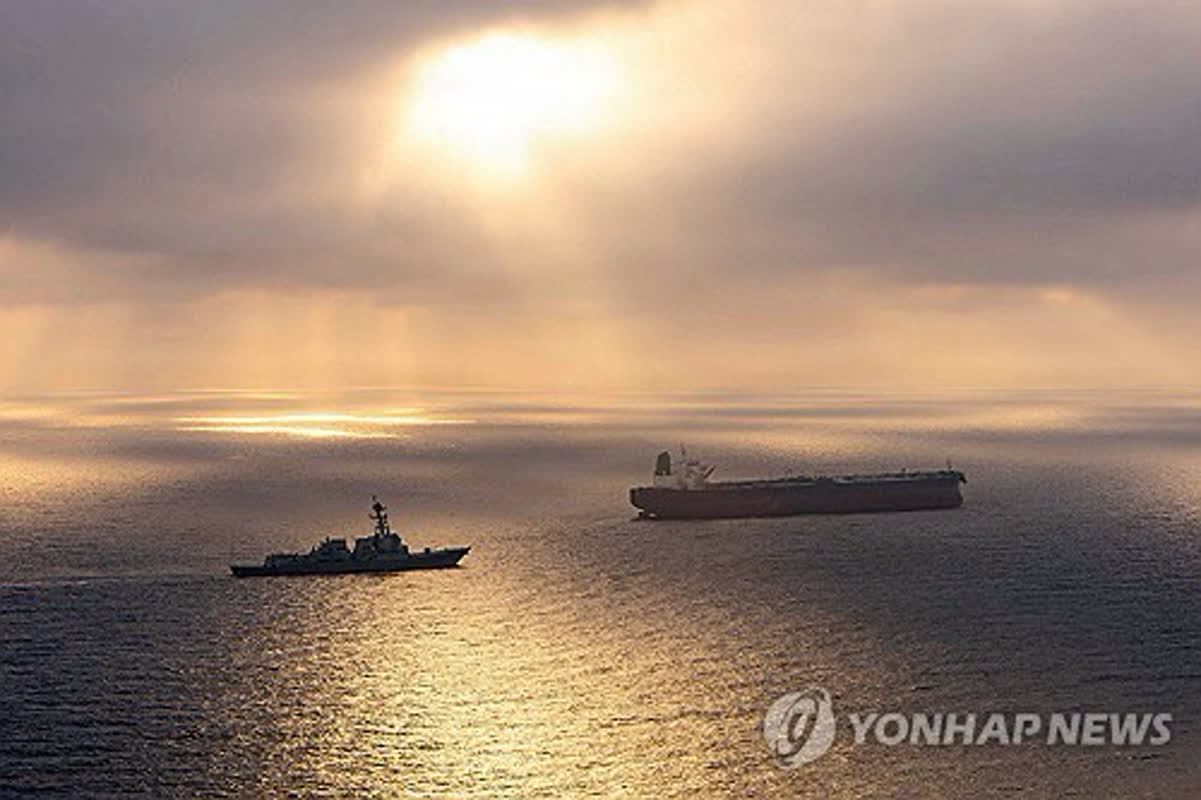
It adds that the Strait of Hormuz and adjacent waters are vital international routes for cargo and energy trade, and it urges measures to ensure the safety of ships and crews transiting the strait, to allow commercial vessels to pass without delay, and to restore normal passage as soon as possible.
Since the outbreak of the Middle East war, Pakistan has positioned itself as a mediator between the United States and Iran.
Earlier, after a four-nation foreign ministers’ meeting in Pakistan on April 29 with Saudi Arabia, Türkiye and Egypt, Dar said Pakistan would soon host talks between the United States and Iran aimed at ending the war.
#Pakistan #China #Hormuz
Yonhap News TV inquiries and tips: KakaoTalk/LINE jebo23
Im Hye-jun (junelim@yna.co.kr)











Most Commented