
Translation result
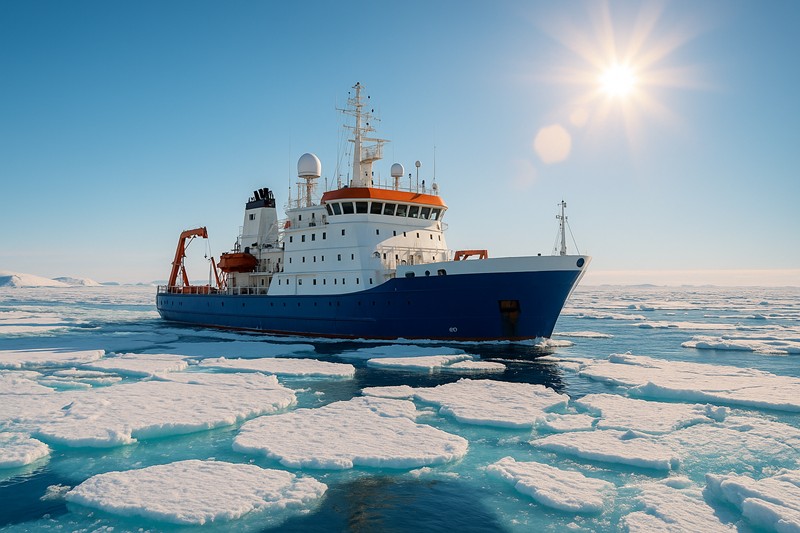
By Kwon Shinkoo, SisaWeek The blockade of the Strait of Hormuz, which carries about 25% of the world’s seaborne crude oil, has underscored the need for reliable alternative routes. Energy supplies and maritime logistics repeatedly suffer when tensions flare in the Middle East. Policymakers now see a pressing need to reduce the risk of recurring disruptions. That concern has pushed the Arctic route into the conversation since the conflict involving the U.S., Israel and Iran began.
Having previously named Arctic route development a national priority, Seoul now faces the task of turning this crisis into opportunity. Analysts say the government should pivot its Arctic strategy — long centered on shipping and shipbuilding — toward energy security. They also urge careful reassessment of ties with Russia, a country whose posture and control could directly shape access to the route.
On the 30th, the broader conflict remained highly unpredictable. With U.S. and Iranian positions split over cease-fire negotiations, former President Trump made a hard-line comment about the possible seizure of Kharg Island, which handles about 90% of Iran’s oil exports. Observers have raised the prospect of U.S. ground forces being deployed, and reports that Yemen’s Iran-aligned Houthi rebels have entered the fight have heightened regional volatility.
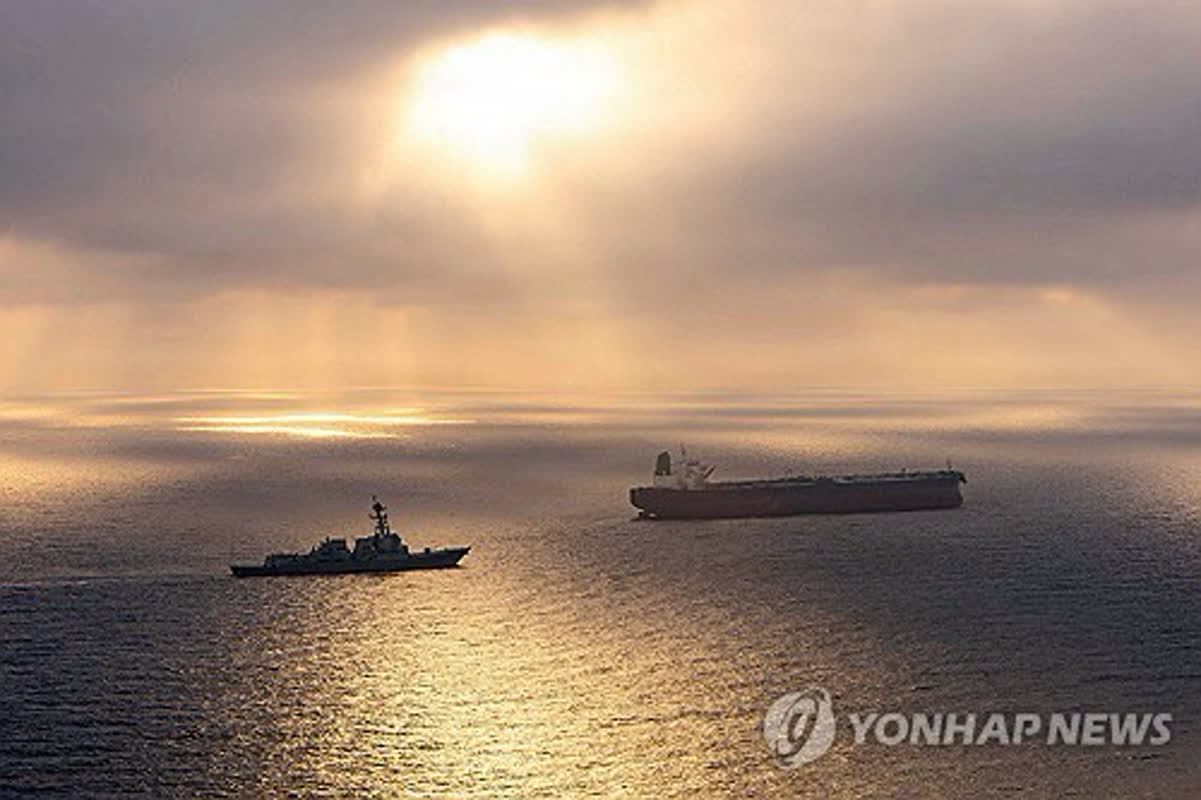
Under these conditions, the Strait of Hormuz blockade could persist. Iran has said it will permit vessels from non-hostile countries to transit, but its limited, conditional approach still constitutes a risk. That stance is already pushing oil prices higher and driving up maritime shipping costs. South Korea is especially exposed: roughly 70% of the crude it imports transits Hormuz, meaning prolonged disruption poses a direct threat to the nation’s energy security.
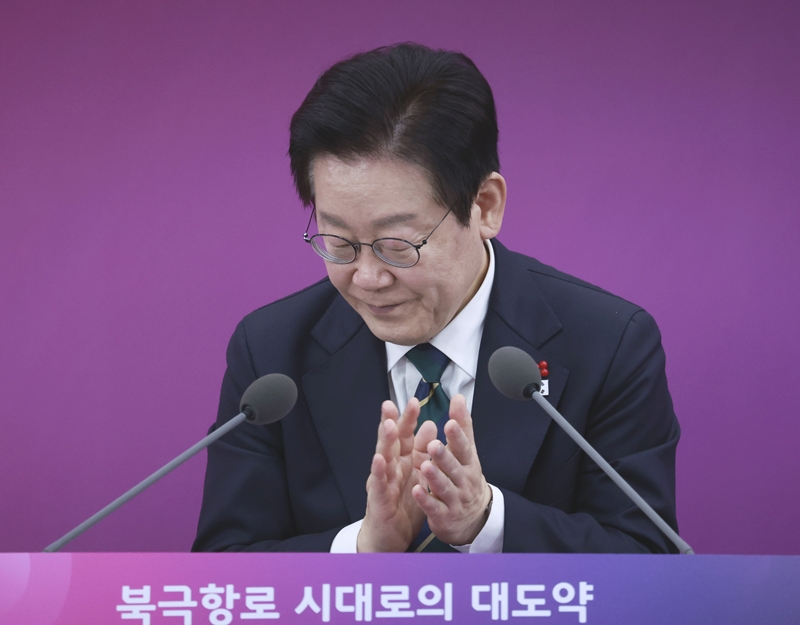
◇ Hopes for diversifying energy supply
As risks around the Strait of Hormuz and adjacent Middle Eastern waters reemerge, the Arctic route is the leading alternative under consideration. Its main operational advantage: it can reduce sailing distance by roughly 30% compared with the Suez Canal route, cutting transit times by more than 10 days. The Cape of Good Hope remains an alternative, but it adds roughly 9,000 km compared with the Suez route, making it far less economical.
Beyond cost savings, the Arctic has strategic value for energy security. The U.S. Geological Survey estimated in 2008 that the Arctic region holds about 90 billion barrels of oil and 1,670 trillion cubic feet of natural gas — roughly 13% of the world’s undiscovered oil and 30% of its undiscovered natural gas. That positions the Arctic as a meaningful potential energy source going forward.
Those factors matter for efforts to diversify energy supplies, a priority underscored by the current Middle East crisis. In a March 17 report titled “The Arctic as the Next Hormuz: A New Arena for Maritime and Energy Security,” Korea Institute for National Strategy research fellows Jo Eun-jeong and Jung Hyun-wook warned that Korea’s heavy dependence on imported oil “is cost-efficient in peacetime but can become a chokepoint that holds the entire national economy hostage in a crisis.” They recommended structural measures to reduce reliance on the Middle East.
But significant challenges remain. The navigable window for Arctic shipping is still narrow. Most of the route lies within areas where Russia exercises control and influence. Last December, Vice Minister Kim Seong-beom told a Ministry of Oceans and Fisheries briefing in Busan that Russia asserts control in areas where coastal states can claim stronger authority due to ice conditions. With the war in Ukraine and shifting Russia ties cooling Korea-Russia relations, officials say careful management and diplomatic engagement are essential.
Meanwhile, Minister of Oceans and Fisheries Hwang Jong-woo said in his March 26 inaugural address that Seoul must “keep a close watch on the Middle East and prioritize the safety of our seafarers and ships,” and urged steady preparation of the Arctic route so that, years from now, people will say, “If we hadn’t prepared then, we would have been in big trouble.”










Most Commented