
Translation result
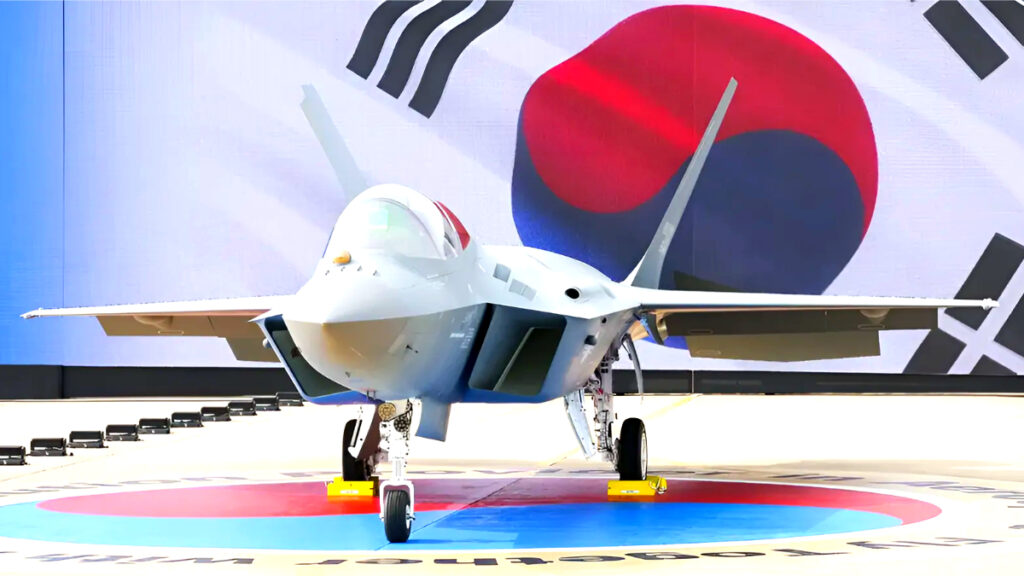
The KF-21 Boramae — South Korea’s indigenously built supersonic fighter poised to usher in a new era of air defense — has moved beyond test flights and into serial production.
When Korea Aerospace Industries (KAI) unveiled the first production KF-21, analysts said South Korea’s defense sector has passed the R&D phase and entered a new stage focused on operational deployment and international export competition.
From Blueprint to Reality: First Production Jet ’26-001′ Appears
Foreign media and defense industry sources report KAI recently completed and delivered the first production KF-21, tail number 26-001, marking the start of full-scale production.
For the first time, a combat-ready airframe — not a concept drawing or testbed prototype — will be handed over to the Air Force for operational use.
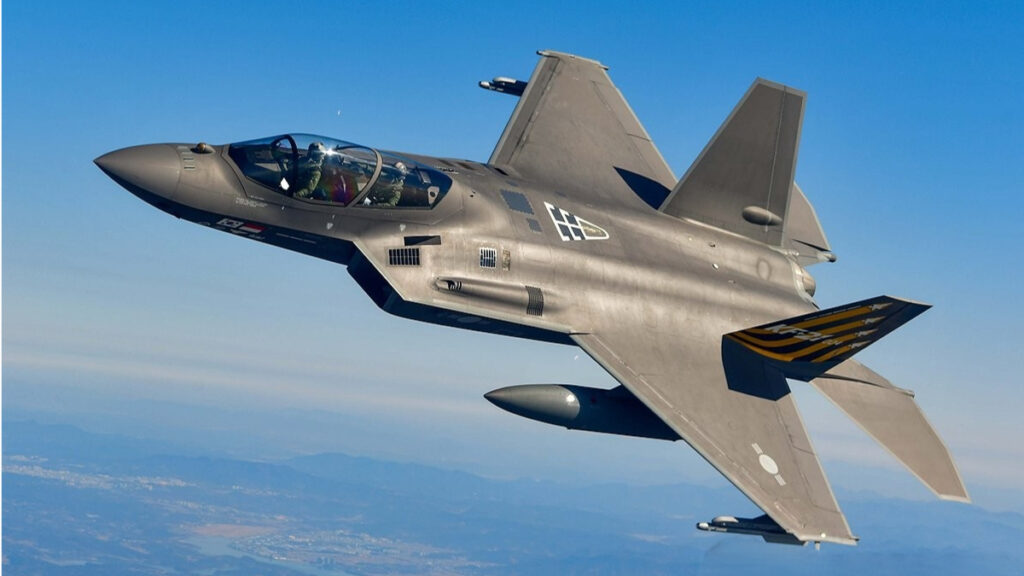
The South Korean Air Force has contracted to acquire an initial batch of 40 Block 1 KF-21s.
They will be phased into frontline units to replace aging fighters such as the F-4 Phantom and F-5 Tiger II, which have patrolled South Korea’s skies for decades and are nearing retirement.
Defense analysts classify the KF-21 as a 4.5-generation fighter. With modern avionics and an active electronically scanned array (AESA) radar, they say it will be competitive in contemporary air combat.
Breaking Free from U.S. Dependence in Air Defense
The rollout represents a strategic pivot: the Air Force is moving from dependence on imported platforms toward greater operational self-reliance.
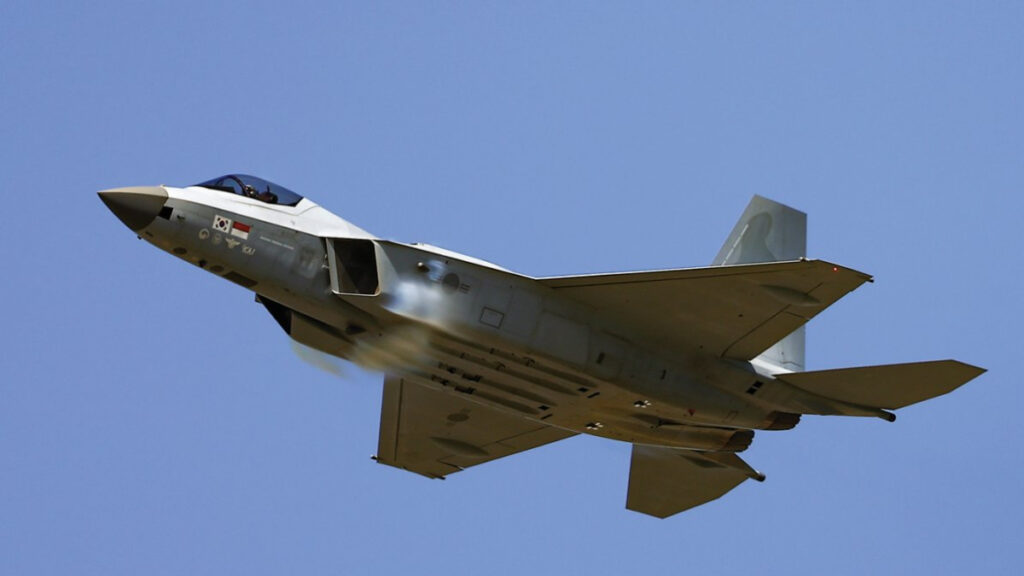
Imported fighters from the U.S. and elsewhere typically require manufacturer approvals and technical controls for weapon integration, software upgrades and repairs to critical components — adding time and cost to upgrades and maintenance.
Operating an indigenous platform like the KF-21 gives Seoul strategic flexibility to integrate and upgrade advanced weapon systems — including domestically developed air-to-air and air-to-ground missiles — without needing foreign authorization.
Analysts say if production transitions smoothly from Block 1 to Block 2 — which will add precision air-to-ground strike capabilities — South Korea’s lead in air operations could grow substantially.
A New Dark Horse in the Global Export Market
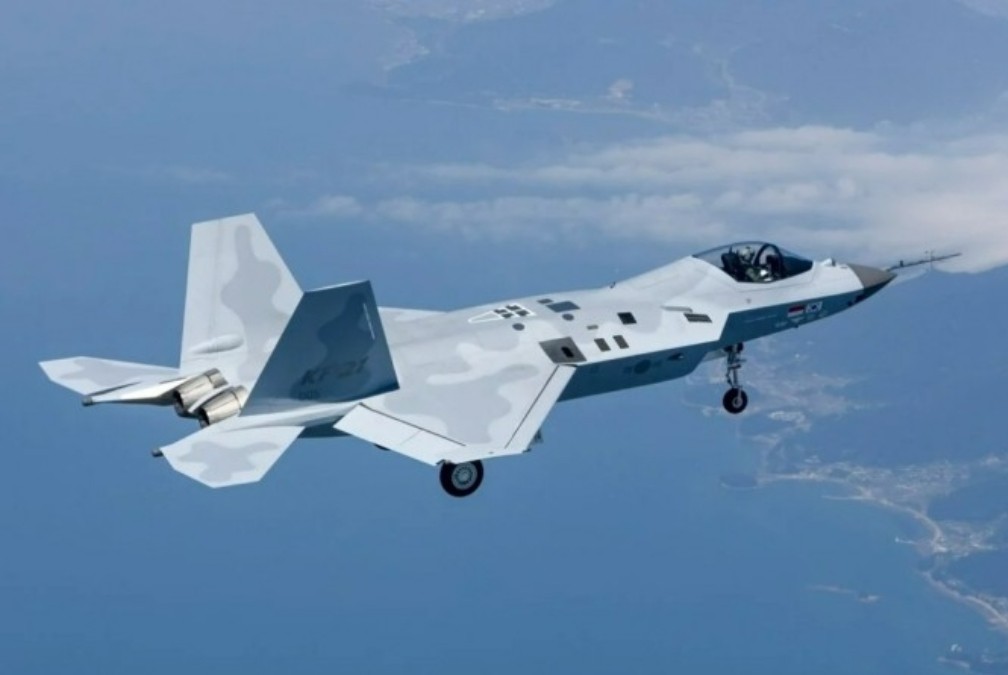
Full-scale production of the KF-21 is likely to ripple through the global fighter export market.
International outlets have already flagged the KF-21 as an attractive alternative in Southeast Asia — including Indonesia and the Philippines — and in other emerging security markets.
For countries that find the 5th-generation F-35 cost-prohibitive to buy and sustain, the KF-21 offers 4.5-generation capability, stronger value and promises of dependable logistics and maintenance support, making it an appealing option.
Beyond the symbolism of a domestically built fighter, the KF-21 is now moving into stable production and operational validation. Markets will be watching to see whether it can become a central export driver for Korea’s defense industry.















Most Commented