
Translation result.
|
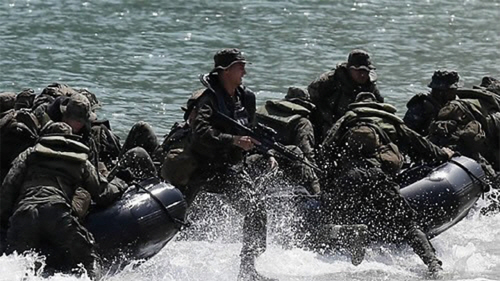
Tensions with Iran have risen as the U.S. considers sending up to 17,000 additional ground troops to the Middle East. Analysts say such a force would more likely be used for limited operations or as leverage in negotiations than to mount a full-scale invasion.
On March 28, The Wall Street Journal reported the Pentagon is weighing roughly 10,000 additional troops. Coupled with 5,000 Marines and 2,000 soldiers from the 82nd Airborne Division, that would bring the total to about 17,000. The deployment package would likely include infantry, armored vehicles and logistical support units.
That figure is a fraction of the roughly 150,000 U.S. forces deployed during the 2003 Iraq invasion and would be inadequate for sustained, large-scale combat operations.
Experts therefore emphasize the likelihood of targeted, limited missions: securing coastal strongpoints, seizing islands near the Strait of Hormuz such as Kharg Island, or attempting to secure stocks of highly enriched uranium.
But those missions would carry significant risks. Forces operating near Bandar Abbas or islands off the Strait of Hormuz could face missile, drone and mine attacks. Concentrated troop formations after a landing would be vulnerable, and a long-term occupation would be difficult to sustain.
Securing uranium would be particularly complex, requiring engineers, special operations forces and robust air support.
The U.S. has not yet decided to send ground troops. Secretary of State Rubio said, “We can achieve our objectives without ground forces.”
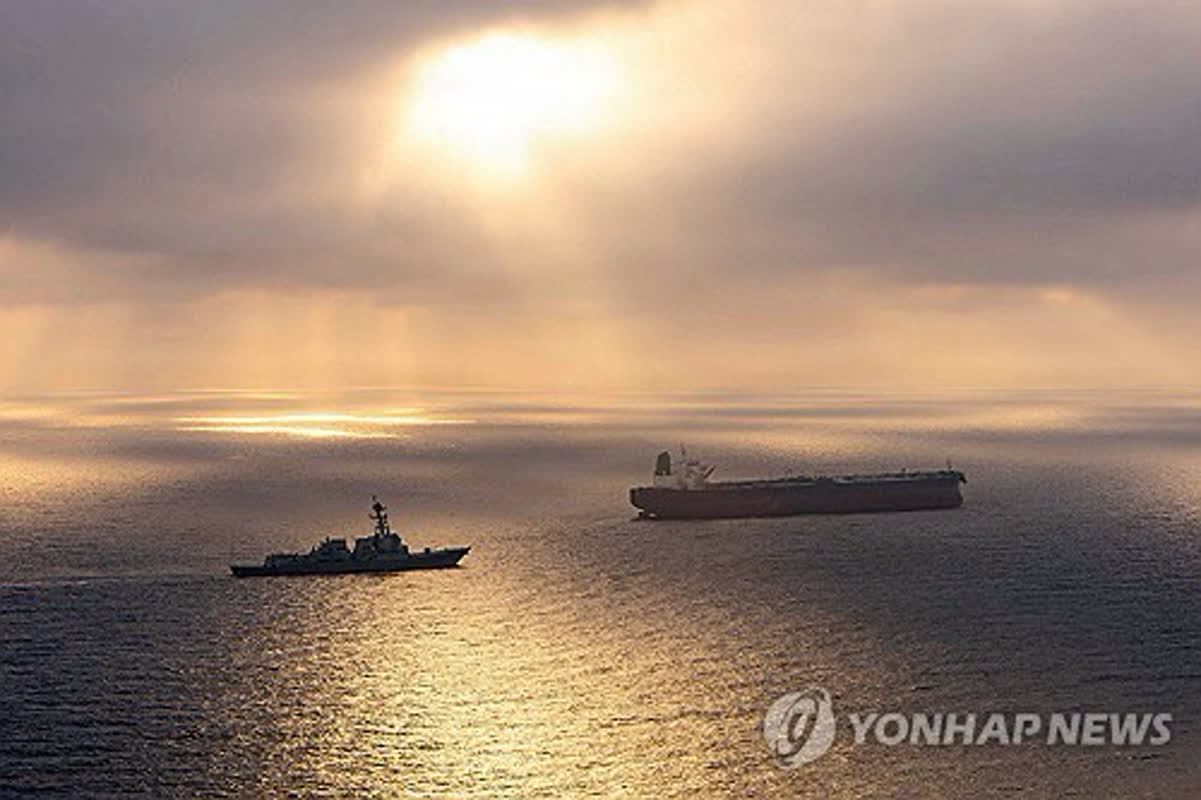
Washington has been pressuring Tehran to dismantle nuclear facilities and to reopen the Strait of Hormuz. Tehran has kept the option of blocking the waterway on the table.
Given that dynamic, analysts interpret any troop increase less as an immediate deployment plan and more as a pressure tactic to strengthen U.S. leverage in negotiations. The move appears aimed at showcasing military options to gain the upper hand in diplomatic talks.










Most Commented