
Translation result
[Herald Economy = Reporter Kim Hyun-il] Reuters, citing two U.S. administration officials, reported that Chinese foundry SMIC has supplied chip-manufacturing technology to Iran’s military.
On March 26 (local time), Reuters quoted a U.S. administration official saying SMIC began shipping chip-making equipment to Iran about a year ago.
“There is no reason to think this support has stopped,” the official said, adding that it was almost certain the assistance included technical training on SMIC’s semiconductor processes.
If SMIC shipped U.S.-made equipment to Iran, it could constitute a violation of U.S. sanctions. SMIC, the Chinese Embassy in Washington and Iran’s mission to the United Nations did not immediately respond to Reuters’ requests for comment.
When asked about the report at a March 27 briefing, Foreign Ministry spokesman Lin Jian said some media outlets were intent on spreading stories that “sound plausible but are not true,” and that checks showed the reports were false.
SMIC was added to a U.S. Commerce Department export-control list in 2020. The company has repeatedly denied allegations that it has ties to China’s military-industrial complex, including the People’s Liberation Army.
Allegations from U.S. officials that SMIC provided support to Iran’s military could further raise tensions between Washington and Beijing.
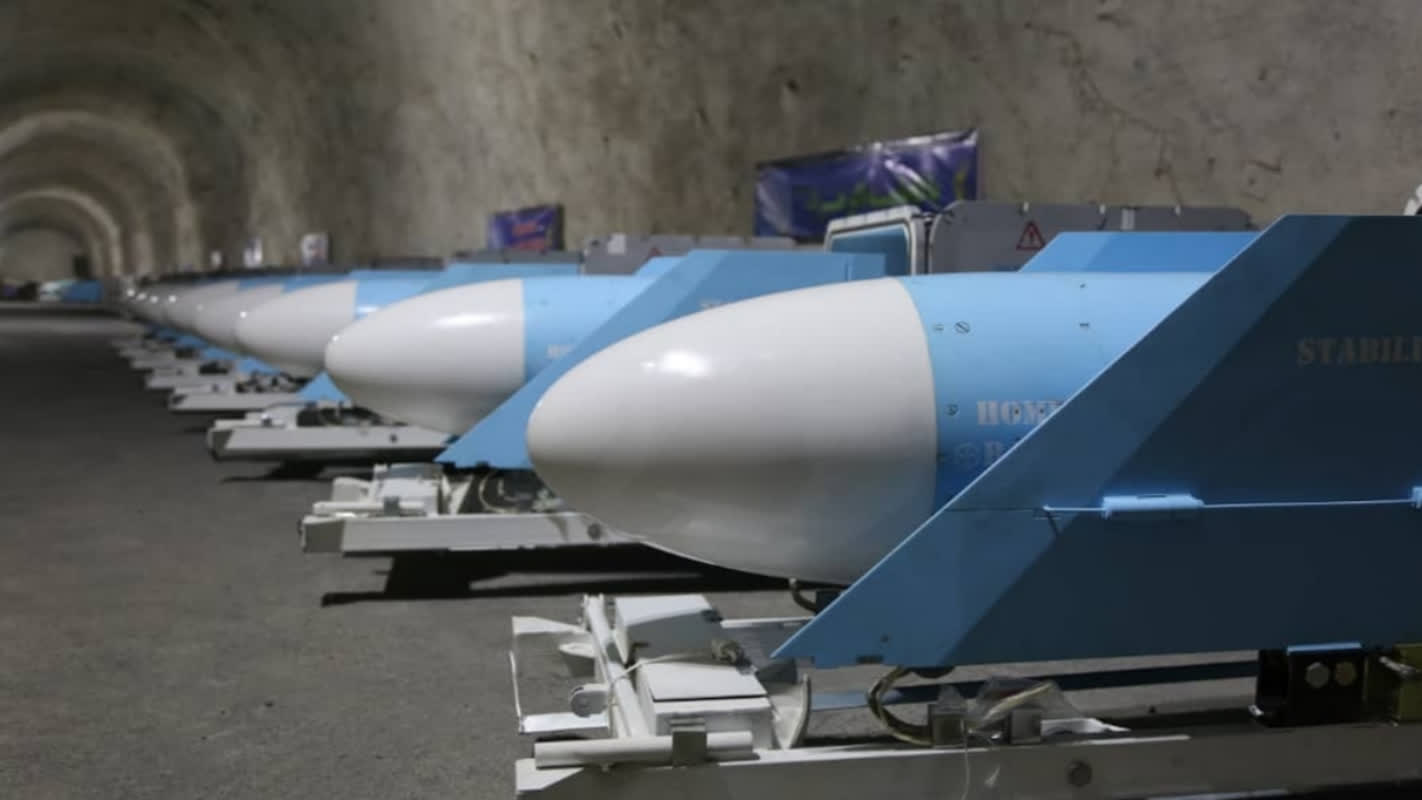
Last month Reuters reported that Iran was on the verge of signing a deal with China to acquire anti-ship cruise missiles just as the U.S. deployed a large naval force near Iran’s coast ahead of a planned strike.
Reuters said it could not immediately confirm what specific role, if any, the chip-making equipment SMIC sent to Iran played in the recent conflict in the Middle East.
To limit China’s advanced semiconductor capabilities, the U.S. has restricted Chinese access to equipment from major suppliers such as Lam Research, KLA and Applied Materials.
SMIC, however, has used a multi-patterning approach that layers older deep-ultraviolet (DUV) lithography equipment to produce chips at roughly the 7-nanometer node.
As a result, the U.S. moved in early 2024 to block further exports of U.S.-made equipment and parts to SMIC’s factories in Shanghai, tightening pressure on the company.














Most Commented