
Translation result
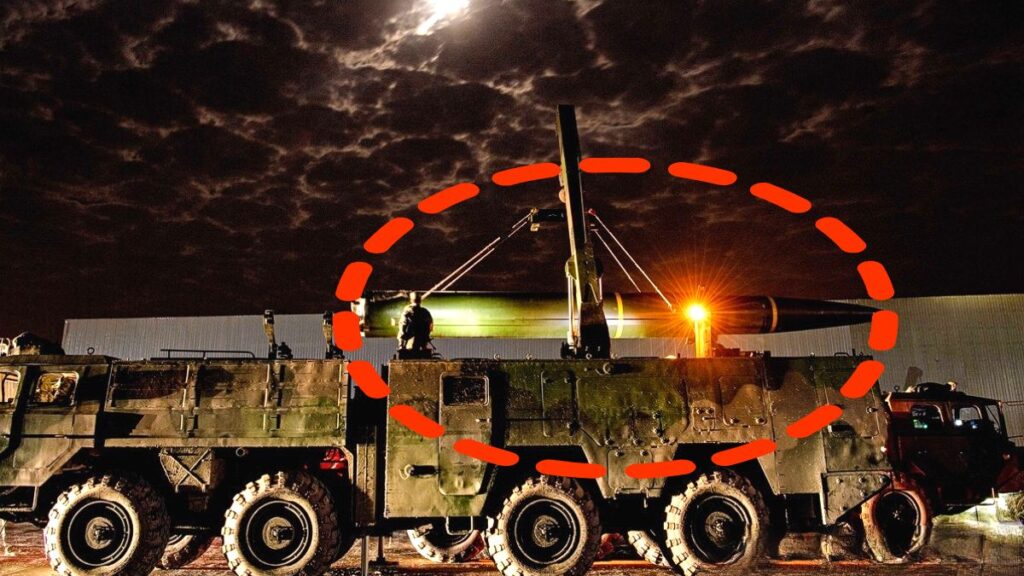
China’s elite Rocket Force — long threatening to strike the U.S. mainland — became an international embarrassment almost overnight.
U.S. intelligence disclosed that intercontinental ballistic missile (ICBM) fuel tanks, systems worth several tens of billions of KRW (approximately tens of millions USD) apiece, were filled with plain water rather than propellant.
By contrast, South Korea has quietly developed long-range propulsion capabilities while maintaining a strict non‑nuclear stance. Seoul framed the work as bunker defeat and peaceful space development, but the technical gains point to a much broader strike potential.
This report examines the farce born of corruption in China’s strategic forces and the disciplined engineering in South Korea’s defense industry that produced credible deterrent effects.
Water-filled missiles expose Xi Jinping to an unprecedented embarrassment
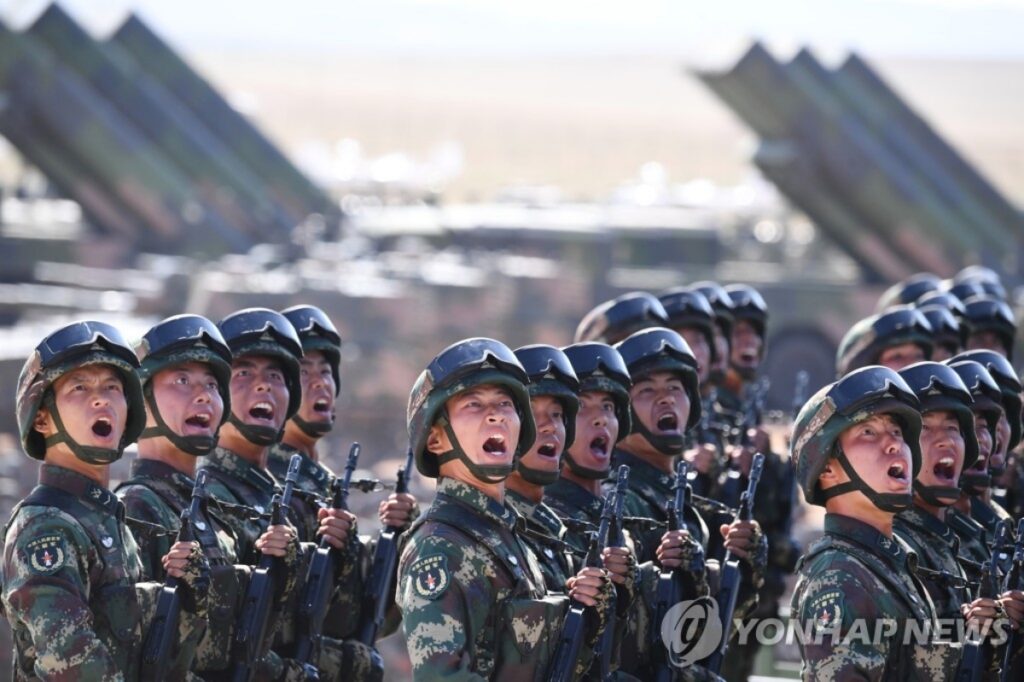
What U.S. intelligence revealed in early 2024 about the People’s Liberation Army Rocket Force reads like a black comedy.
Analysts found multiple missile fuel tanks deployed inland containing water instead of proper aerospace propellant.
Inspectors also reported that many silo covers in western desert complexes failed to meet launch specifications — crews could not open the lids and fire missiles in an emergency.
Investigations pointed to corruption among senior officers who inflated procurement figures and siphoned funds intended for fuel and materials.
When President Xi Jinping was briefed on the cover-up, he ordered a purge of senior Rocket Force commanders and other top officers. The revelations showed strategic systems bought with massive budgets had been rendered nonfunctional.
“We’ll just punch through bunkers” — the world takes notice of Hyunmoo-5’s potential
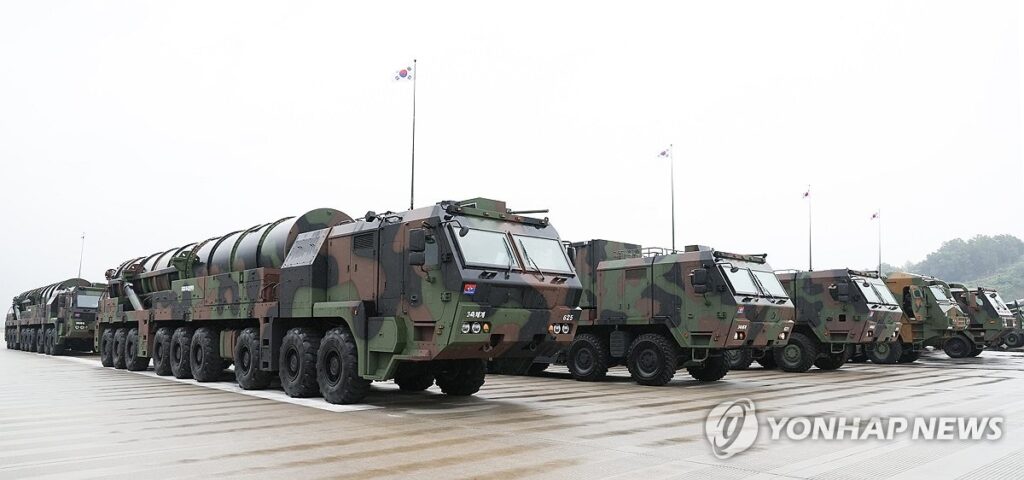
As China faced public humiliation over fake missiles, South Korea advanced a different approach to long-range strike: practical, incremental, and framed within defensive and civilian programs. Central to that effort is the Hyunmoo-5, Seoul’s latest high‑yield ballistic missile, often described as a “monster” because of its heavy warhead.
The South Korean military says Hyunmoo-5’s mission is the physical destruction of North Korean command bunkers buried tens of meters underground. To achieve this, the missile carries an unusually heavy conventional warhead — roughly 8–9 metric tons — among the heaviest in service globally.
Analysts point to the missile’s payload‑to‑range ratio as the critical factor.
A propulsion system that can propel an 8–9‑ton warhead several hundred kilometers would, in principle, achieve far greater ranges if fitted with a lighter ~1‑ton payload. That swap could push the missile into the 3,000–5,000 km class — the intermediate‑range ballistic missile (IRBM) category.
That technical fact underpins assessments that, with different warhead configurations, South Korea could field a delivery system capable of reaching distant regional targets.
Continental strike capability demonstrated by space‑launch vehicle technology
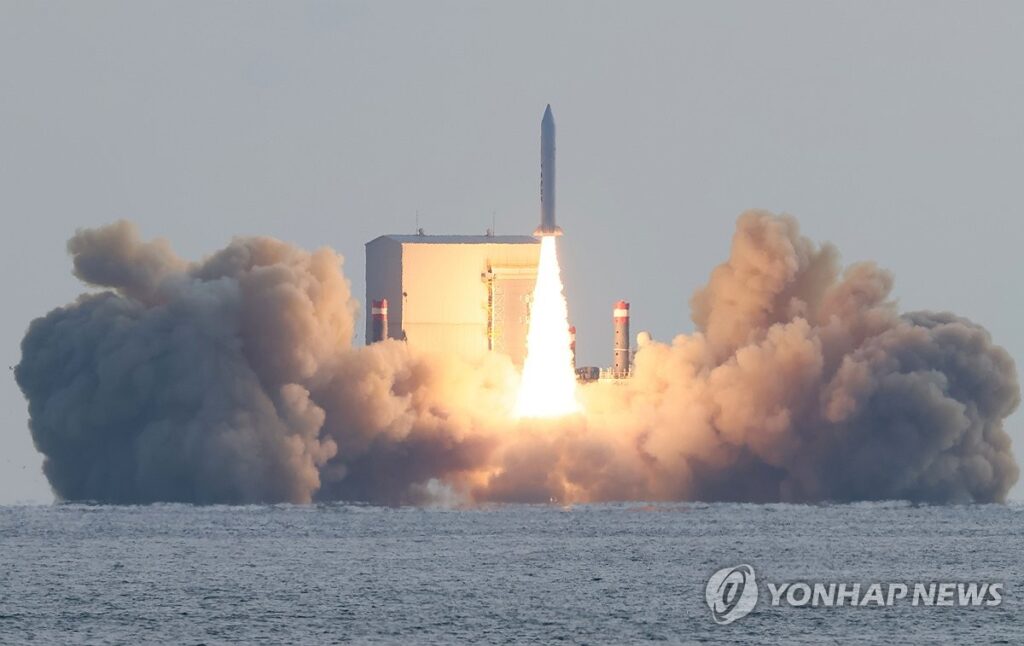
South Korea’s steady technical advances are also evident in tests of solid‑fuel space‑launch vehicles conducted by the Agency for Defense Development (ADD).
Solid propellants eliminate pre‑launch fueling and enable faster, more survivable launch profiles — traits prized in modern strategic systems. That said, converting a space launcher into an operational ICBM requires validated re‑entry technologies so a warhead can survive extreme heating during atmospheric return.
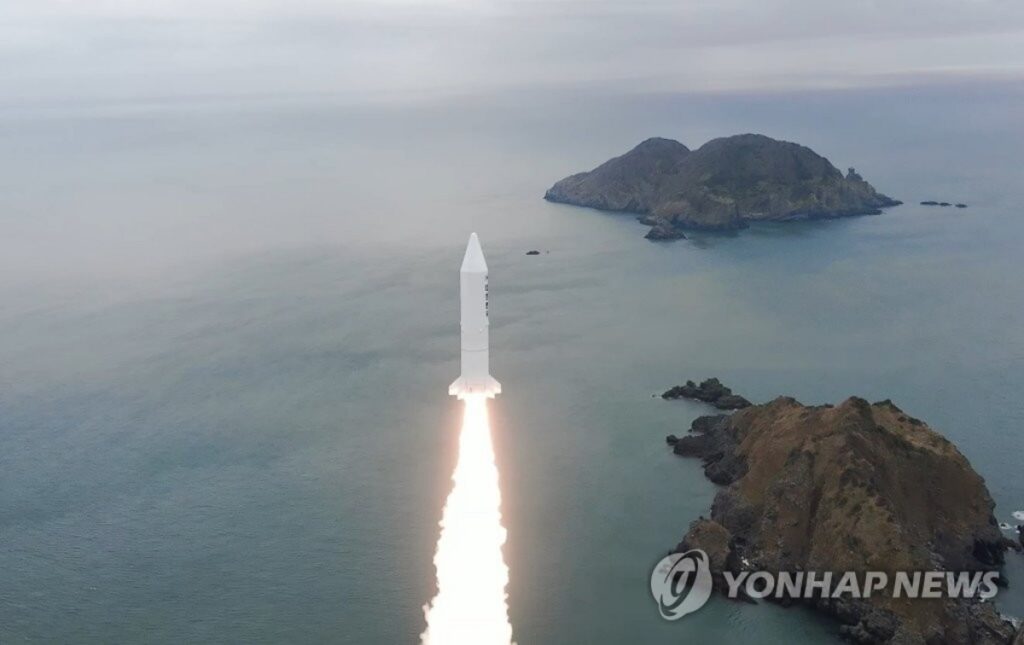
Importantly, the lower‑stage rocket propulsion technology used to lift heavy payloads to orbit overlaps fundamentally with ICBM technology. In demonstrating the ability to loft large payloads, South Korea has proven a core delivery‑system capability that could support intercontinental reach.
Ultimately, China’s push to claim a threat to the U.S. mainland collapsed into a corruption‑tainted fiasco.
South Korea, meanwhile, built strategic rocket propulsion capability under the clear pretexts of bunker defeat and peaceful space development — advancing technical reach while limiting regional alarm.












Most Commented