
Translation result
Drone downs Ka-52 in midairFiber-optic drone used after 45 days of preparationHigh-end system proved vulnerable to a low-cost drone
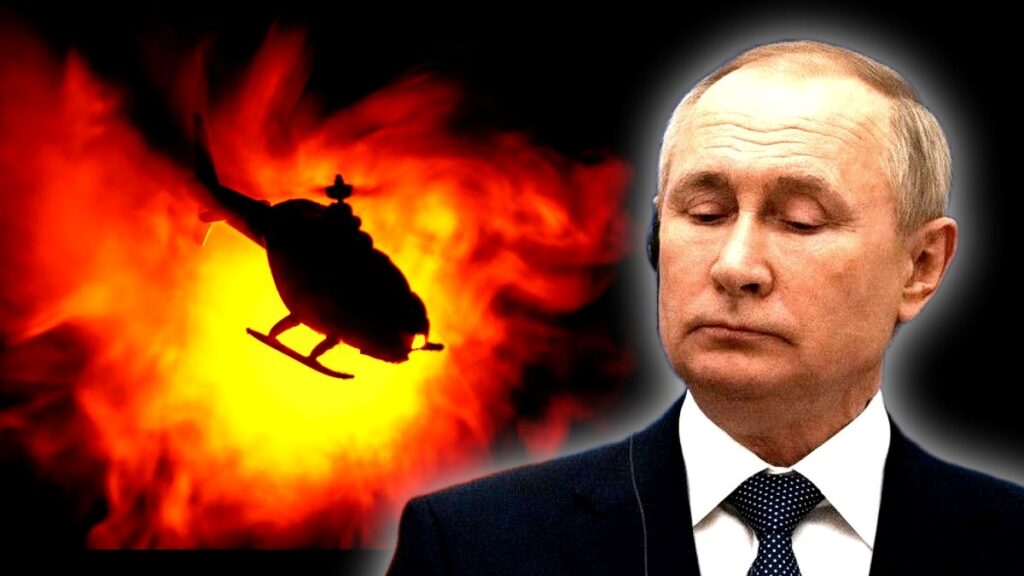
A single drone downed a Russian Ka-52 attack helicopter while it was flying at roughly 315 km/h (about 196 mph).
The drone neutralized a state-of-the-art attack helicopter valued at about 24 billion KRW (18 million USD), despite the airframe being equipped with advanced electronic-warfare systems and evasive capabilities. The incident highlights just how far drone technology has come on the modern battlefield.
On March 23, Defense Express, a Ukrainian military outlet, reported that a drone struck and destroyed a Russian Ka-52 \”Alligator\” on the Pokrovsk front in Donetsk Oblast.
A social-media video shows the drone making a precise impact on the helicopter’s left weapons pylon while the aircraft was conducting high-speed flight.
The helicopter attempted an emergency landing but soon erupted in flames. The crew reportedly ejected, but they were later killed during subsequent combat operations.
While helicopters on the ground have been hit by drones before, this is the first confirmed case of a helicopter being destroyed by a drone while airborne. The Ka-52 was not only an expensive platform but had been regarded as relatively resilient to drone threats, making the incident especially significant.
Fiber-optic tether that defeated electronic warfare
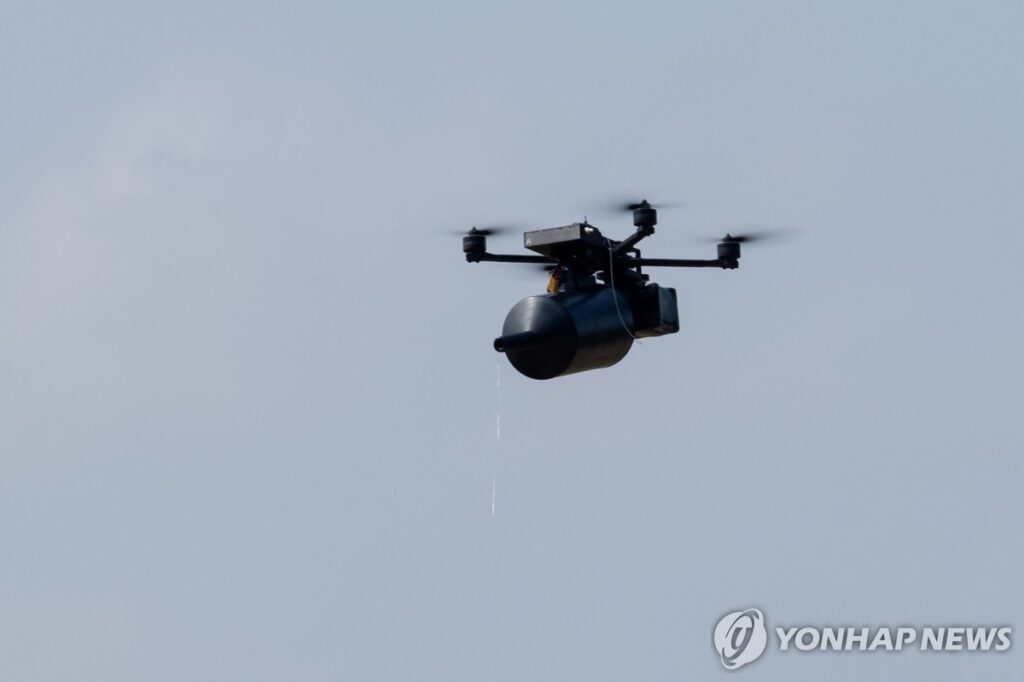
Ukraine’s success stemmed from combining technical innovation with solid intelligence. Forces tracked Russian Army Aviation flight routes and operational patterns for about 45 days, then selected an optimal ambush location.
At the decisive moment, they deployed a first-person-view (FPV) drone tethered with a fiber-optic cable.
Fiber-optic tethered drones exchange control signals and video over a thin, fishing-line-like cable. Because they don’t rely on radio frequencies, their links remain intact even in heavy electronic-warfare environments.
Published footage shows uninterrupted, high-definition video up to the moment of impact. No amount of radio jamming could sever the pilot’s control so long as the physical tether remained intact.
Reassessing attack-helicopter doctrine
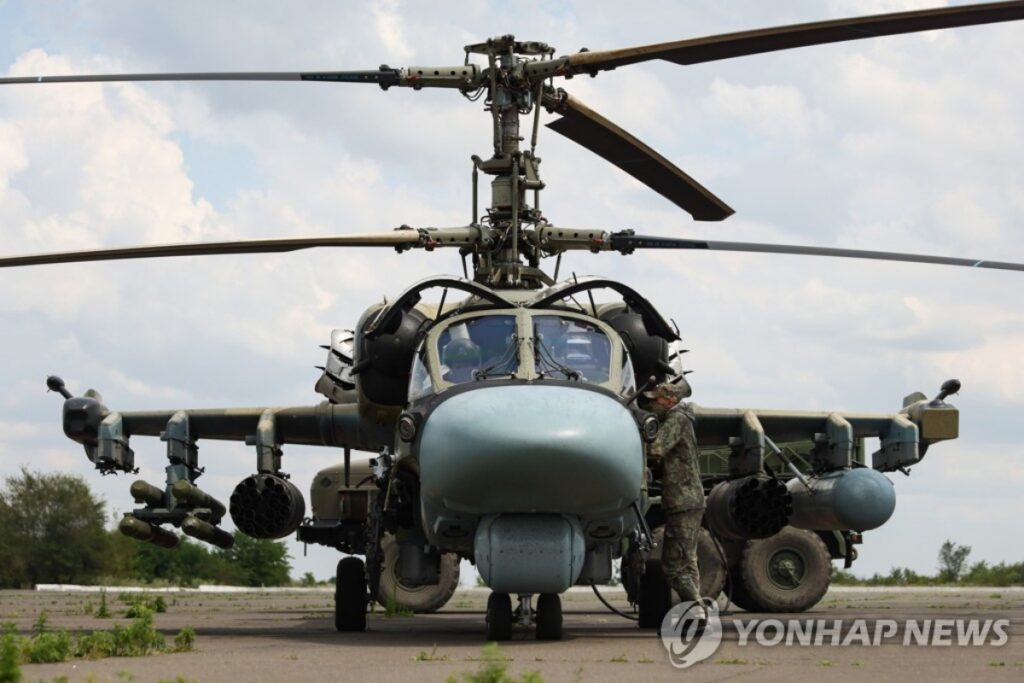
The incident raises fundamental questions about the survivability of costly, advanced platforms. That a platform worth roughly 24 billion KRW (18 million USD) can be neutralized by relatively inexpensive drone technology calls for a broad reassessment of military doctrine.
Analysts expect Russian forces to change helicopter operating altitudes, standoff distances and flight patterns. They also say next-generation attack-helicopter designs should incorporate defenses not only against electronic jamming but also against threats that exploit wired communications.
The event demonstrated that when Ukrainian forces combine thorough intelligence collection with adaptive technology, even the most advanced systems can reveal critical vulnerabilities.
The drone war continues to evolve. Early in the conflict, Ukraine’s use of kamikaze (loitering munition) drones to threaten helicopters made headlines; the fight has since shifted, with armed helicopters intercepting Iranian-made suicide drones in some engagements.
The Ka-52 shootdown both represents a high point in that evolution and serves as a reminder that information superiority and technological adaptability will matter as much as raw firepower on future battlefields.















Most Commented