
Translation result.
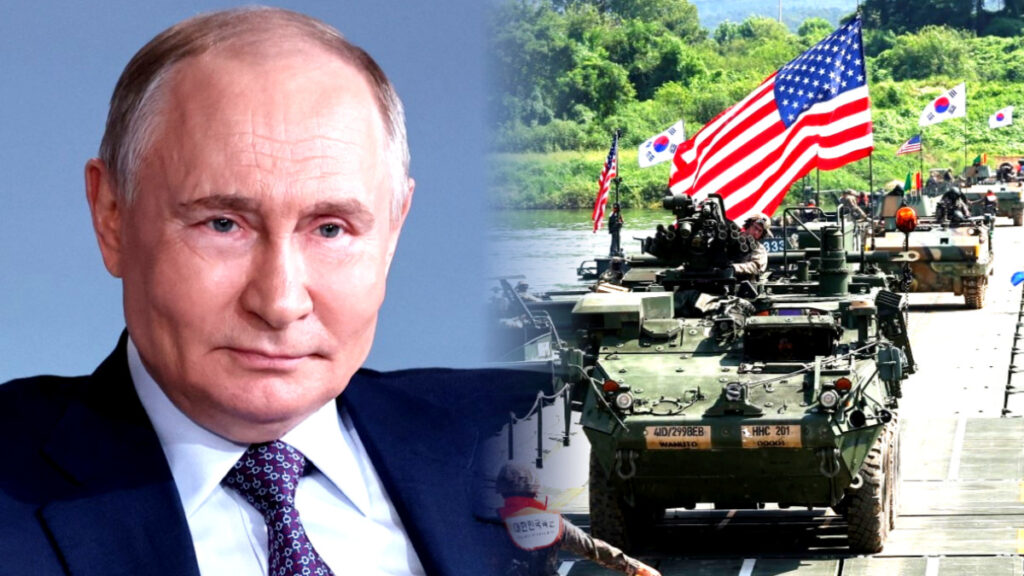
A war thousands of miles away is hollowing out Europe’s air defenses.
As tensions with Iran escalated, U.S. forces urgently redeployed Patriot air-defense systems from Europe to the Middle East, according to international reports.
When one front opens, another collapses
This is a classic \”balloon effect\” — a stark dilemma of modern warfare.
To blunt Iran’s barrage of cheap drones and ballistic missiles, which cost tens of thousands of dollars each, the U.S. has been firing Patriot interceptor missiles that cost several billion KRW apiece (approximately several million USD), exhausting hundreds in a matter of days.
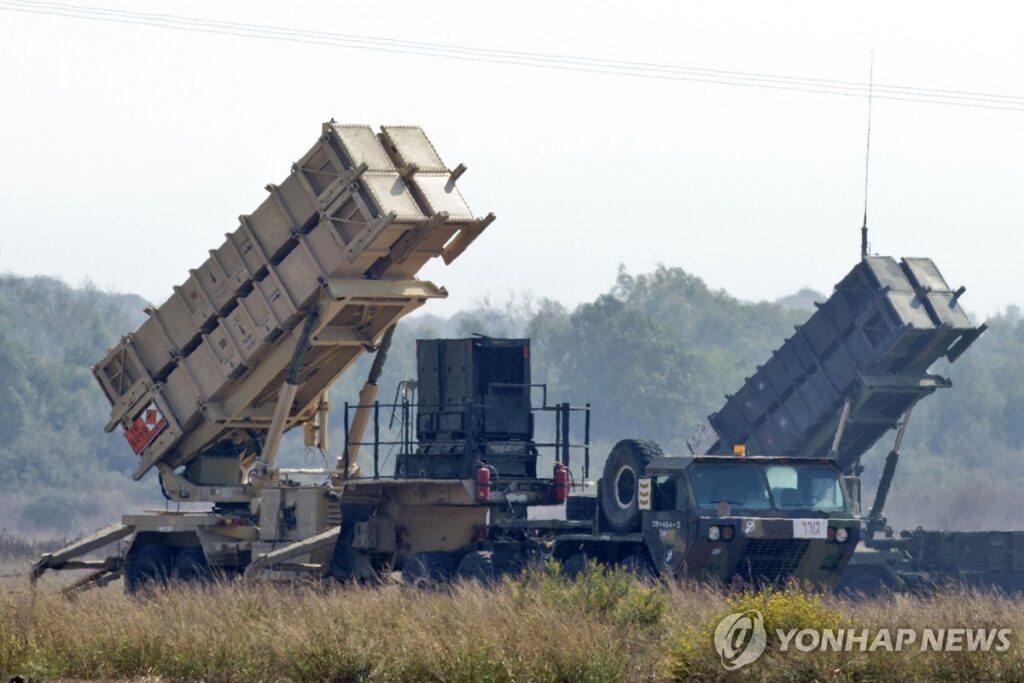
With U.S. Patriot production at roughly 700–800 missiles a year, Washington has limited options and is being driven to pull critical assets from other theaters to sustain defenses in the Middle East.
Defense industry officials warn that even the United States — long the world’s de facto security guarantor — is reaching the limit of what it can sustain and may struggle to manage two simultaneous conflicts.
Europe loses its shield, and Russia watches
Europe — and Ukraine in particular — face immediate danger as they remain locked in a tense standoff with Russia.
Already strained by inventory shortfalls, European air defenses now have a significant gap, raising fears they could be left nearly defenseless against a Russian air campaign.
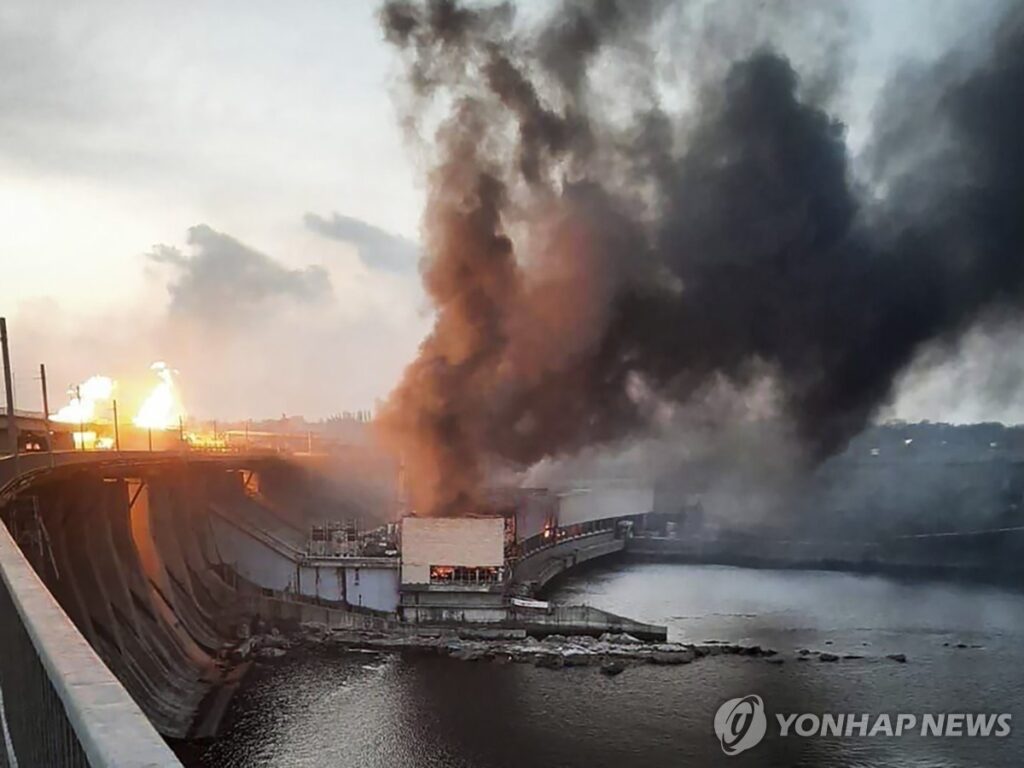
From Moscow’s vantage point, seeing the region’s strongest defensive shield withdrawn creates an opening to consolidate gains without direct confrontation.
The hard truth of international politics — prioritizing national operations in the Middle East over allies’ desperate appeals — is playing out across Europe.
This isn’t someone else’s problem: Are U.S. Forces Korea’s defenses secure?
The air-coverage gap over Europe should serve as a stark warning for the Korean Peninsula.
If a large-scale conflict erupts in the Taiwan Strait or the South China Sea, U.S. air-defense assets could be urgently reallocated. Patriot or THAAD batteries based in South Korea would likely be among the first units considered for redeployment.
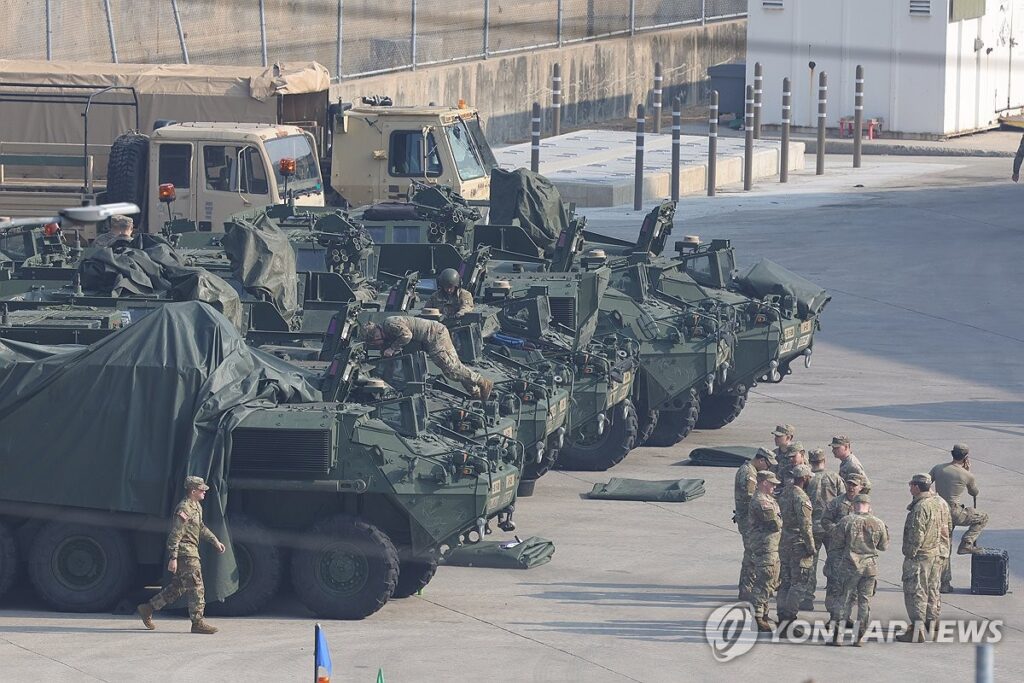
That means the defensive assets that shield South Korea’s airspace could be moved across the Pacific on short notice.
Relying solely on the U.S. security umbrella risks a deadly boomerang: an air-defense gap when and where it’s needed most.
Allies must recognize that while political commitments may be firm, weapons inventories are finite. Seoul and its partners should accelerate development of an independent, layered air-defense architecture.















Most Commented