
Translation result
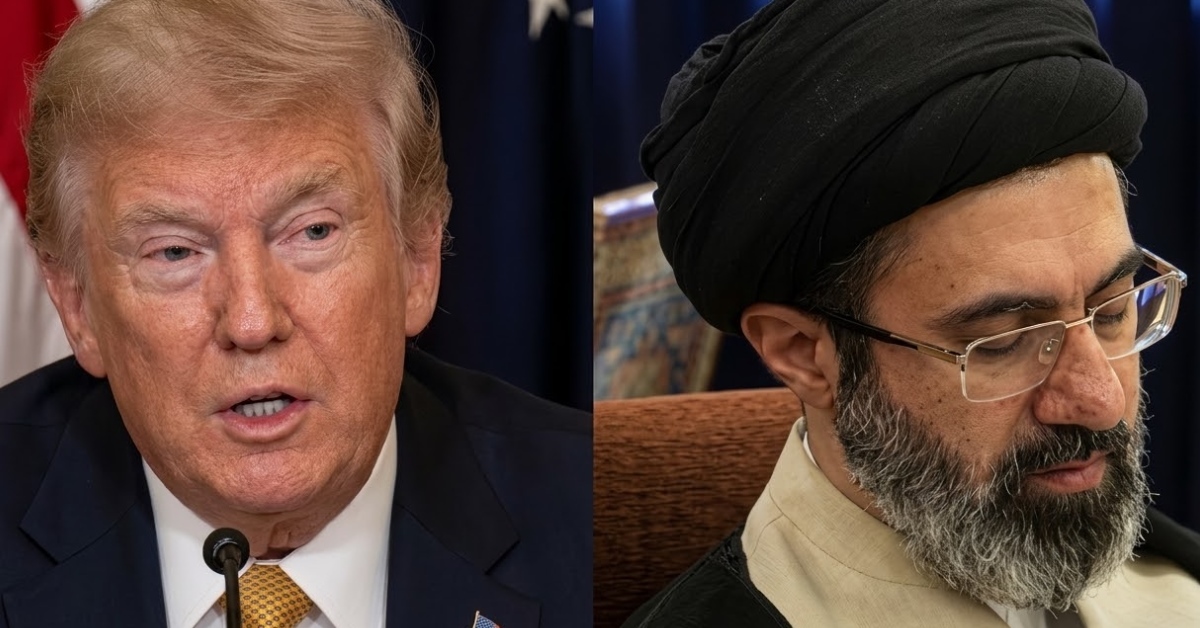
The United States and Iran are pursuing their first in-person talks this week aimed at ending the conflict.
Reuters reported on March 23, citing a Pakistani government official, that Vice President J.D. Vance, special envoy Steve Witkoff and Jared Kushner are scheduled to meet with Iranian officials in Islamabad.
That would be the first direct contact between the sides since the fighting began on the 28th of last month. Analysts say the move reflects growing concern that the war is inflicting critical damage on the global economy.
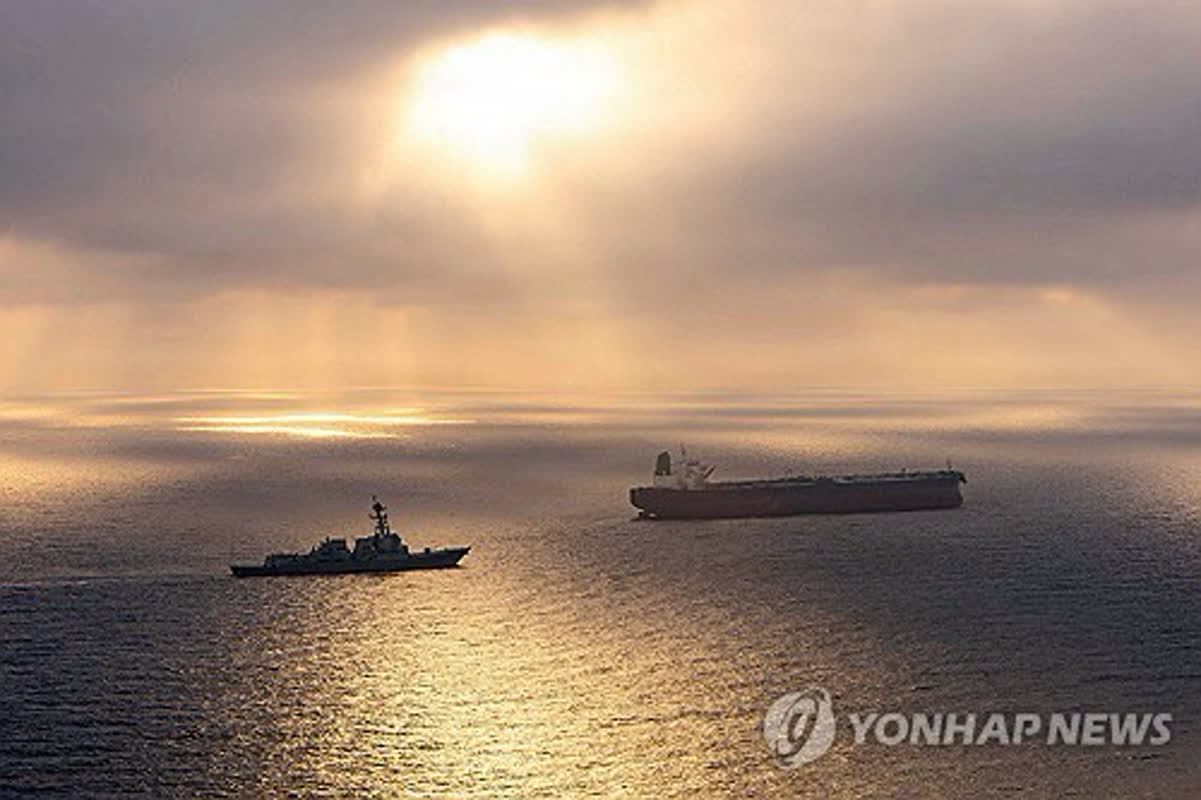
Iran’s partial blockade of the Strait of Hormuz has pushed global oil prices above $100 a barrel and intensified inflationary pressure in the United States.
President Trump initially issued a 48-hour ultimatum to strike Iran’s power infrastructure. On the 23rd, he unexpectedly delayed any strike for five days and said he had entered into productive talks.
Pakistan’s army chief, Gen. Asim Munir, has emerged as a key mediator. He spoke directly with President Trump on the 22nd and has been serving as a bridge between the two sides.
The U.S. delegation is pressing for 15 demands in the talks, including Iran abandoning any effort to acquire nuclear weapons, halting uranium enrichment, and establishing joint management of the Strait of Hormuz.
Trump also signaled he may be prepared to effectively acknowledge Iran’s new leadership under Ayatollah Mojtaba Khamenei, saying, “The Ayatollah and I can jointly control it.”
Iranian Foreign Ministry spokesman Esmail Bagai said Tehran received Washington’s request to negotiate through allied countries and responded in accordance with its principles.
Israeli Prime Minister Benjamin Netanyahu told President Trump that any military gains must advance Israel’s interests, and he is closely monitoring the negotiations.
But if the talks break down, the conflict could still escalate into a wider ground war.
U.S. forces have forward-deployed a 5,000-member Marine expeditionary unit and are considering mobilizing a 3,000-member elite airborne force capable of deploying within 18 hours.
The 2,500-member 31st Marine Expeditionary Unit, operating from its base in Japan, could reach the Middle East theater within a week.
As a result, the next five days of talks could become a decisive turning point in the trajectory of any U.S.-Iran conflict.
Daily horoscope report — what will your day be like?










Most Commented