
Translation result.
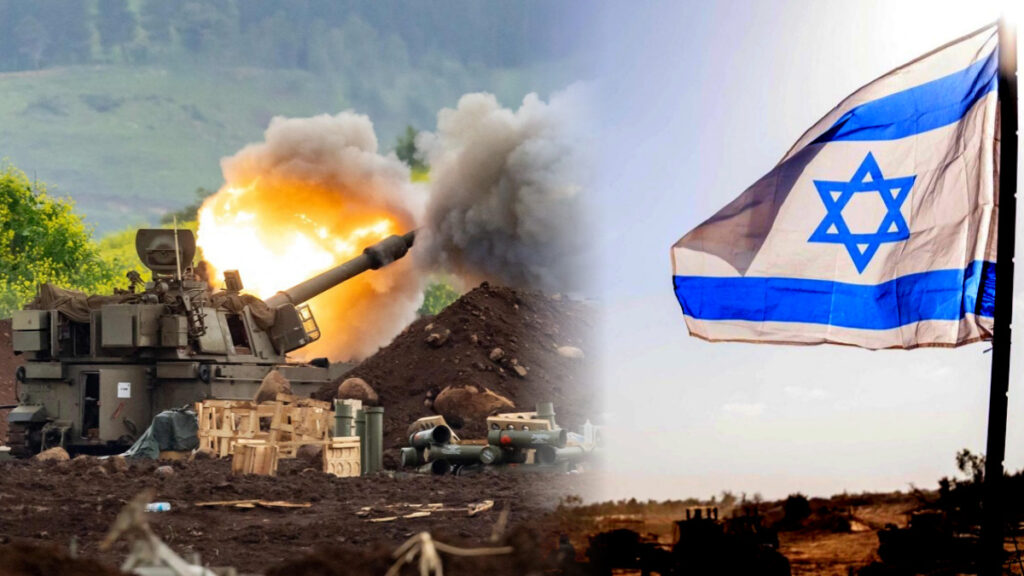
Israel’s air-defense network, long regarded as the world’s most capable, was breached.
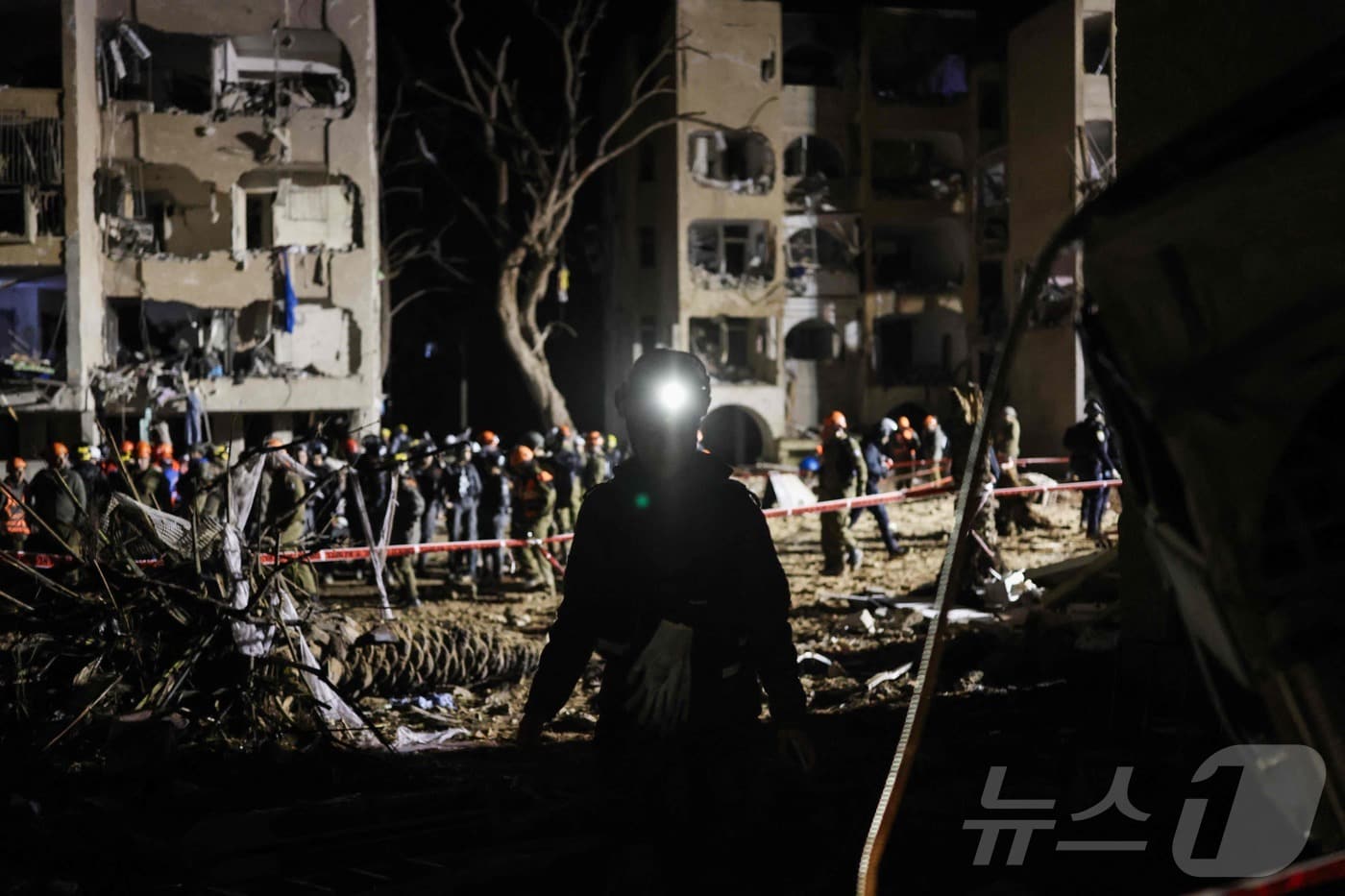
On the evening of March 22, 2026, two ballistic missiles fired by Iran landed near Dimona and in residential areas around Arad on the Negev Desert—sites that include Israel’s nuclear research facility and reactor.
Both locations are among the country’s most heavily defended. Israeli forces attempted two intercepts and failed on each occasion, and news of the failures has spread quickly, stoking national shock and anxiety.
The New York Times reported March 22 that the incident casts fundamental doubts on the reliability of Israel’s multilayered, tens of billions of dollars air-defense architecture.
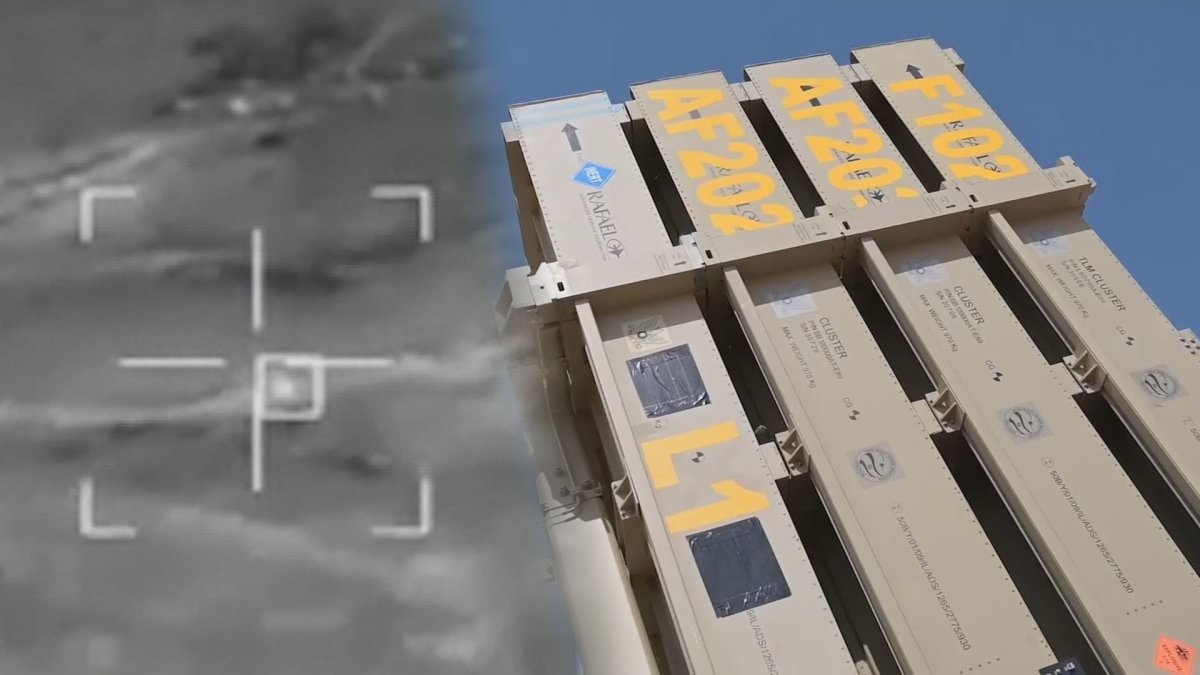
Cluster missiles exploit gaps in the multilayered air-defense system
Officials point to the cluster-style ballistic missiles Iran used as the principal cause of the interception failures. These weapons disintegrate in flight into multiple small warheads or submunitions, complicating radar signatures and overwhelming standard engagement procedures.
Israel fields a three-tier air-defense network: Arrow-3, David’s Sling, and Iron Dome.
Arrow-3, capable of exo-atmospheric interceptions with a maximum range of roughly 2,400 kilometers, covers the upper layer. David’s Sling, operational since 2017 with an effective reach near 300 kilometers, handles medium-range threats. Iron Dome, introduced in 2011, is optimized for short-range rocket defense, engaging targets at altitudes between about 4 and 70 kilometers.
Military analysts say a combination of technical constraints and operational factors likely contributed to the failures. The Israeli Defense Forces are investigating but have not released detailed findings.
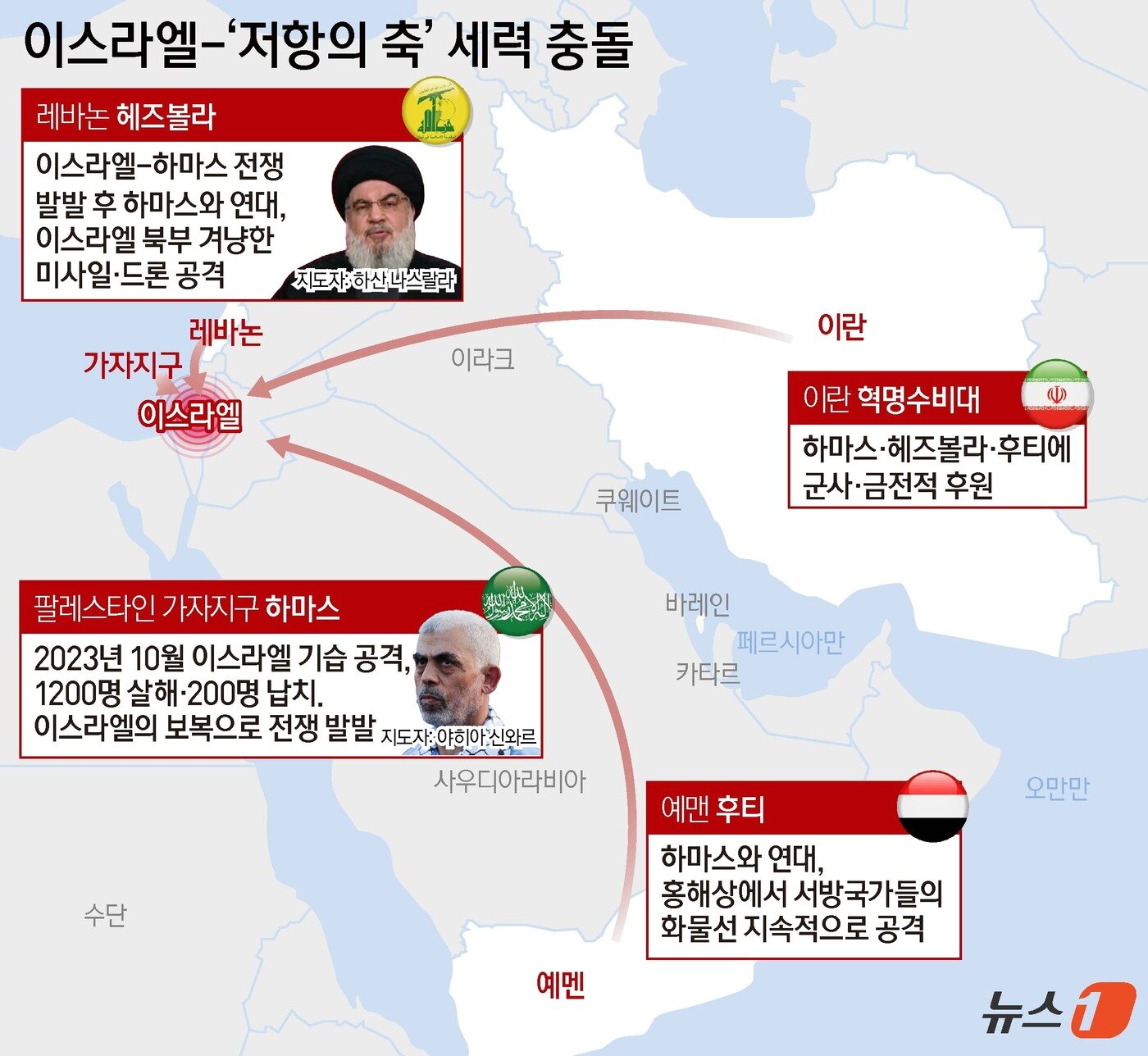
‘The 90% interception rate’—another crack: concerns over depleted stockpiles
The Israeli military maintains it achieves interception rates above 90% against Iranian ballistic threats. Experts caution that no system is infallible and emphasize the particular vulnerability to cluster-style attacks.
A deeper concern is interceptor inventory. Analysts say Israel expended a substantial share of its interceptors during last year’s 12-day clash with Iran in 2025. Reports also indicate a senior Israeli defense official recently met with U.S. forces seeking additional interceptor support—an appeal that fits this context.
The Defense Ministry has denied shortages, asserting the military is prepared for a protracted campaign. Still, observers warn that as the conflict follows an escalation chain—Natanz strike → retaliation on Dimona and Arad → drone strikes on Tehran—sustained operations would inevitably strain stocks.
Rising war fatigue — support for ‘fight until regime collapse’ falls from 63% to 54%
The erosion of confidence in air defenses has rippled through public opinion. A Tel Aviv-based Institute for National Security Studies (INSS) poll of about 900 Israelis found support for continuing the war until Iran’s regime collapses fell from 63% early in the campaign to 54% last week, a drop of roughly nine percentage points.
When asked whether a Lebanon invasion would bring regional stability, only 48% expressed confidence. Skepticism is growing about the feasibility of the war’s most ambitious objective—regime change.
Nonetheless, more than 80% still back military action against Iran. Many Israelis accept the war’s legitimacy even as they question current strategy and execution.
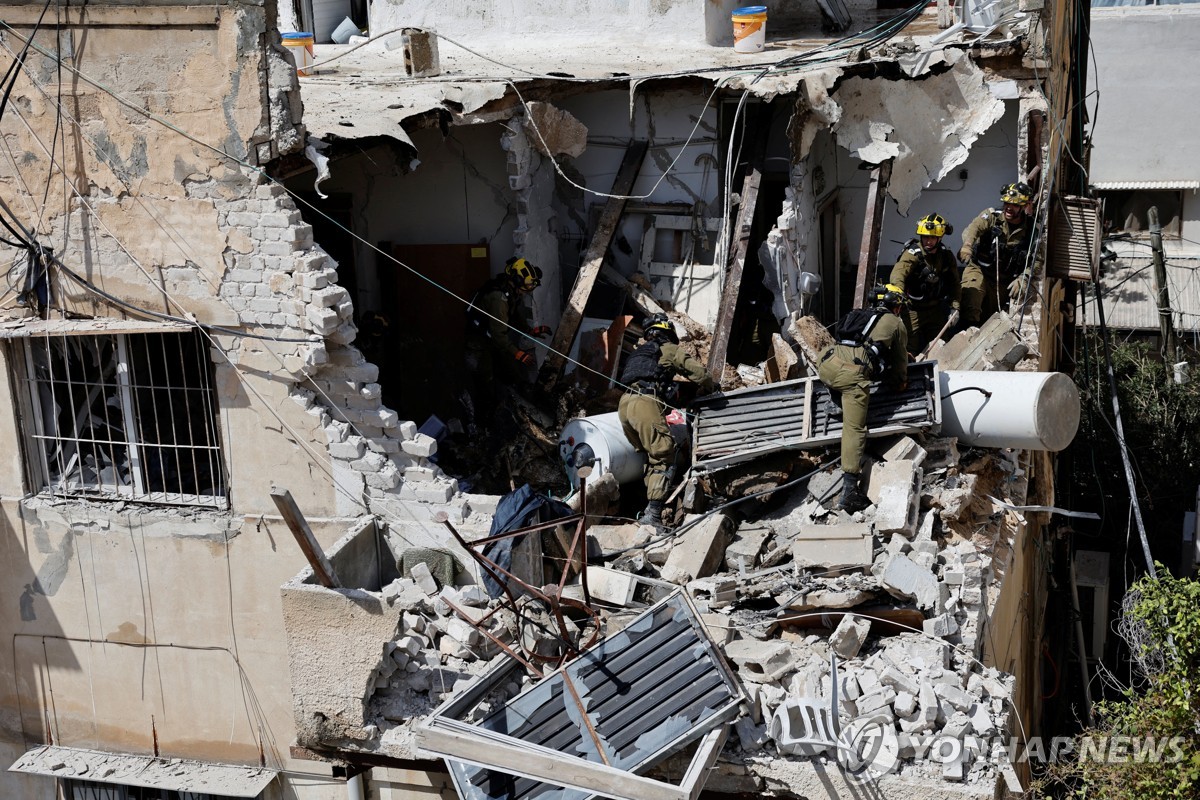
This episode goes beyond a single missed intercept. Three linked crises—technical limits in air-defense capabilities, concern over dwindling interceptor inventories, and shifting public sentiment—have come to the fore simultaneously. With Israel’s traditionally ironclad deterrent under strain, the country’s ability to manage further escalation with Iran will be a decisive factor in the conflict’s future direction.















Most Commented