
Will Trump’s 48-Hour Ultimatum to Iran Ignite War? Key Insights on the Hormuz Strait Crisis
Daniel Kim Views
Translation result.This week the world is watching whether the conflict will widen after President Donald Trump issued an ultimatum to Iran — warning he would obliterate Iran’s power plants if Tehran does not fully reopen the Strait of Hormuz — and Iran pledged retaliation. In Denmark, early elections begin on the 24th (local time), and observers are watching whether tensions with the U.S. over Greenland will leave lingering fallout. The world’s largest energy conference, CERAWeek 2026, also opens.
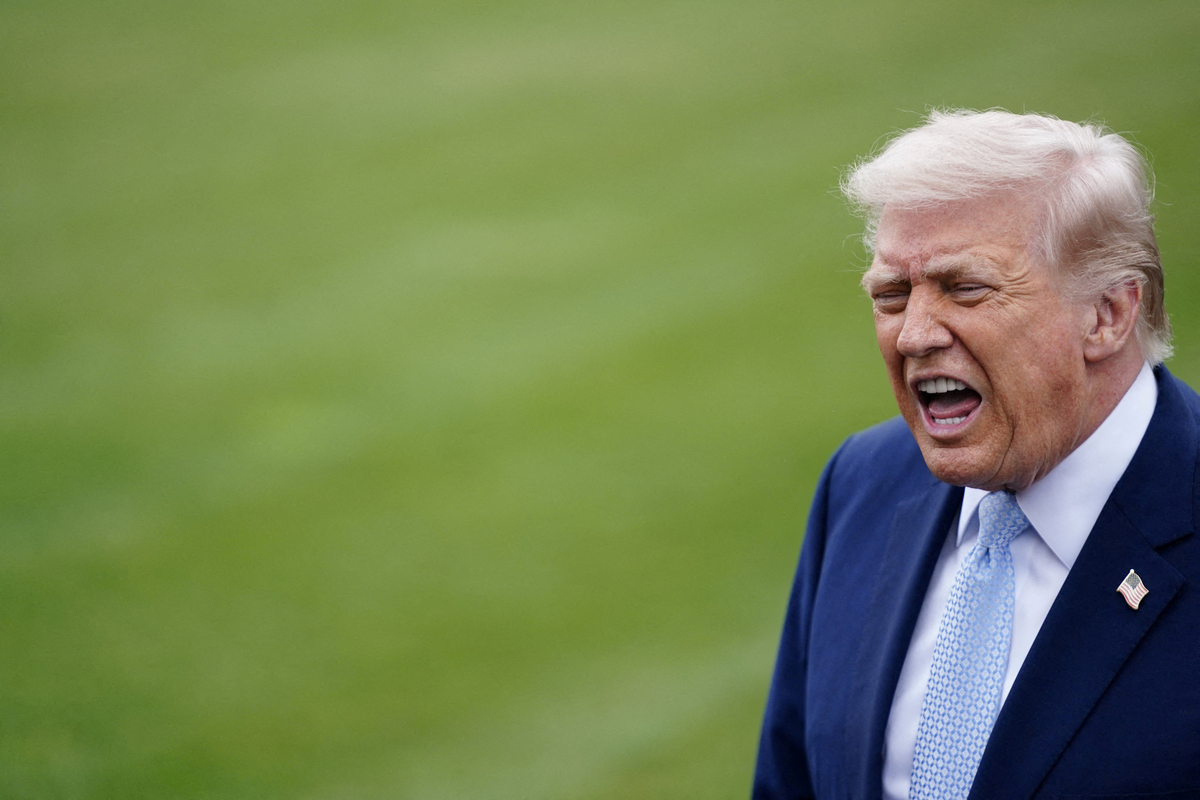
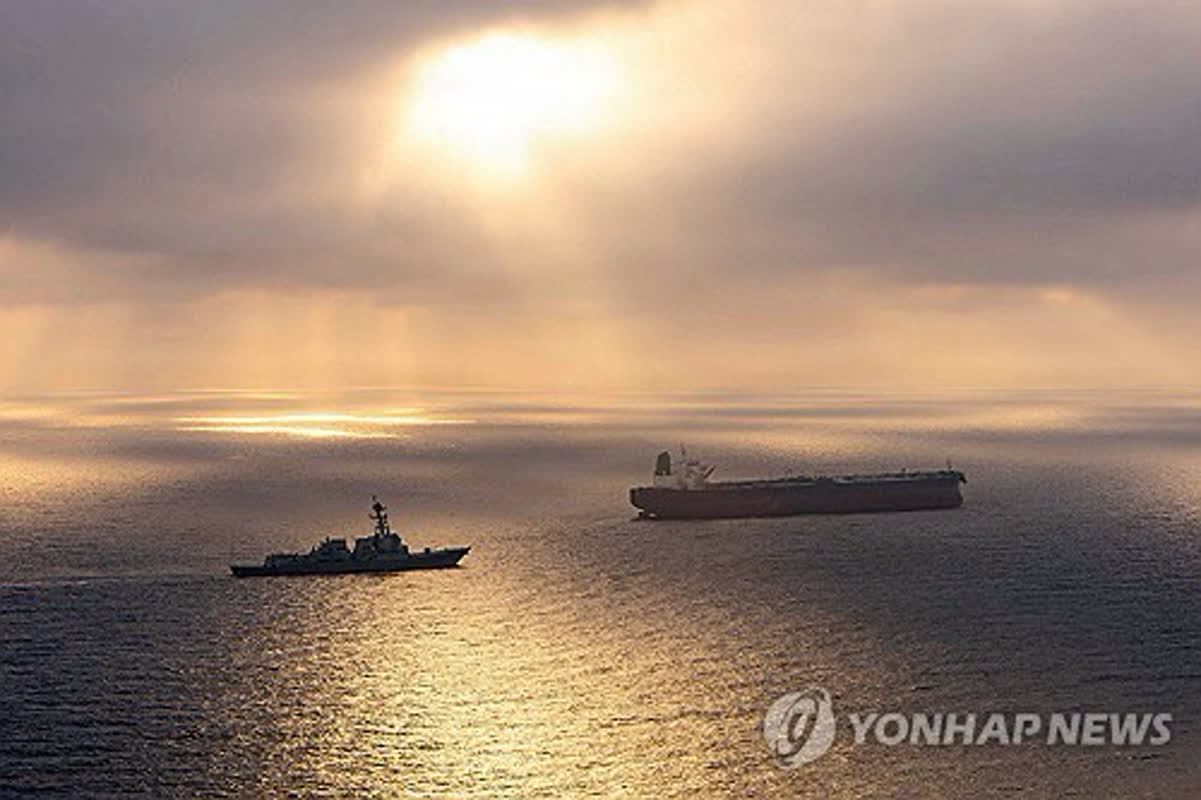
◇ U.S. gives Iran 48-hour ultimatum to open Strait of Hormuz — will the war intensify?=On the 21st (local time), the 22nd day since fighting began between the U.S. and Iran, President Trump warned that if Iran does not fully reopen the Strait of Hormuz within 48 hours the U.S. will obliterate Iran’s power plants. Iran responded by threatening more destructive retaliation, raising fears the conflict could escalate further.
Trump posted on Truth Social that “if Iran does not fully open the Strait of Hormuz within 48 hours from now, with no threats, the United States will start by attacking and obliterating its largest power plants and then strike other energy facilities.” By setting a deadline and explicitly threatening attacks on power plants, Trump issued what amounts to an ultimatum and signaled the U.S. could broaden military action if the blockade persists.
It remains unclear whether Iran — which has maintained a hard line against the U.S. and Israel — will comply with Washington’s demand to reopen the strait. If Tehran refuses, U.S. strikes on Iranian energy infrastructure are a distinct possibility. That, in turn, could invite severe Iranian retaliation and further destabilize the Strait of Hormuz, a strategic chokepoint for global oil flows, potentially widening the military confrontation.
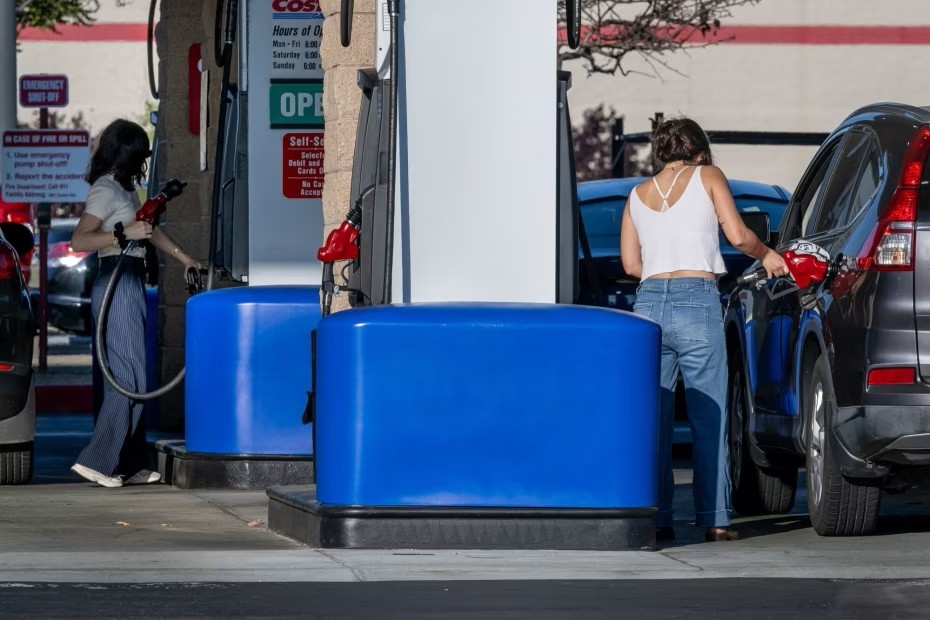
◇ CERAWeek 2026 opens amid climate warnings and an AI-driven surge in power demand=CERAWeek 2026 — often called the Davos of the energy sector — opens in Houston on the 23rd (local time).
U.S. Energy Secretary Chris Wright, Interior Secretary Doug Burgum, and EPA Administrator Lee Zeldin, among other senior figures in the Trump administration, will deliver remarks. CEOs from Chevron, Aramco and major global firms such as Ford also appear on the speaker roster.
This year’s theme, “Convergence and Competition: Energy, Technology and Geopolitics,” comes against two major variables: stark warnings from the World Meteorological Organization on global warming and an unprecedented spike in electricity demand driven by the AI boom.
Notably, big tech firms — including Google and Microsoft — are participating alongside traditional energy companies. Major outlets such as Bloomberg and the Financial Times have highlighted that the power required to train AI models and operate data centers far exceeds previous estimates.
Global supply-chain fragmentation will also rank high on the agenda. Delegates will examine Western strategies to reshape supply chains to counter China’s dominance in critical minerals, and assess how trade measures such as carbon border adjustments could influence energy markets.
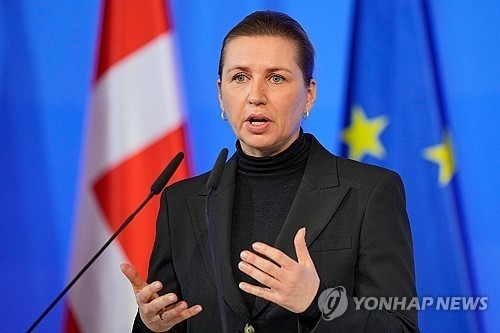
◇ Denmark’s prime minister, buoyed by a hard line against U.S. pressure, bets on an early election on the 24th=Prime Minister Mette Frederiksen has called an early election for the 24th. Frederiksen’s firm stance against U.S. pressure over Greenland has bolstered her approval ratings, and she appears to be leveraging that momentum for the vote.
Reuters and other outlets report Frederiksen has spent recent months rallying European leaders against President Donald Trump’s reported attempts to assert control over Greenland. Because the previous election took place in November 2022, Danish law allows the next full-term vote as late as November within the four-year window. Frederiksen dissolved the government and moved up the vote to capitalize on a surge in support tied to her handling of the Greenland crisis.
Polls indicate that her stance has partially offset public frustration over rising living costs and pressure on welfare services.
The early election will test whether Danish voters reward Frederiksen’s international leadership and defense of sovereignty, or punish her government for perceived neglect of domestic issues such as surging home prices and higher living expenses.










Most Commented