
Iran’s Strategic Move: Will Japan’s Shipping Exception Shift the Balance in the Hormuz Strait?
Daniel Kim Views
Translation result.
Hormuz “Pick-and-Choose”: Could It Fracture U.S.-Led Allies?
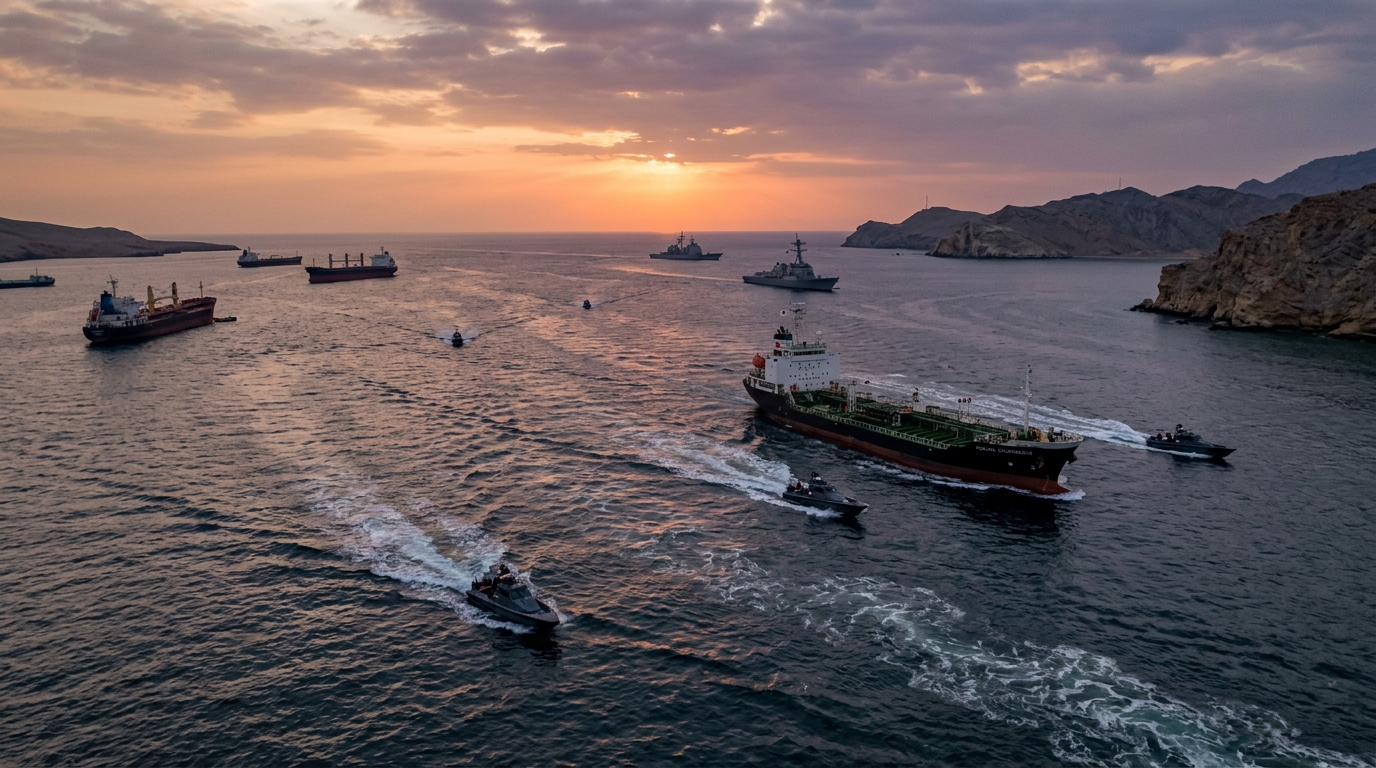
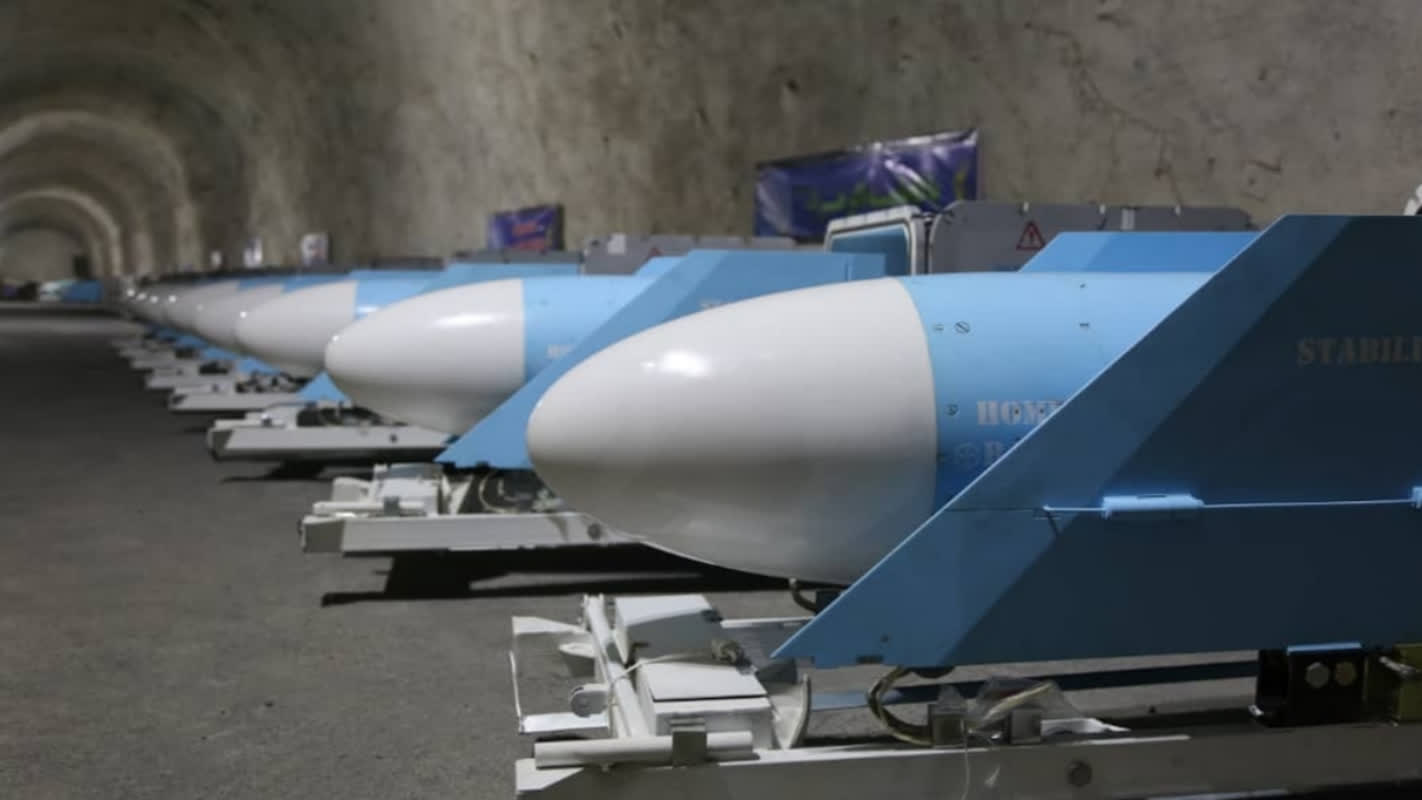
The U.S. mounted what it called its largest naval operation since World War II over a three-week period. U.S. forces struck roughly 130 Iranian vessels, targeted more than 8,000 military objectives, and destroyed underground missile facilities near the Strait of Hormuz.
Yet the strait did not reopen. Tehran played an unexpected card instead: a selective-transit policy — not a blanket blockade, but one that admits favored ships.
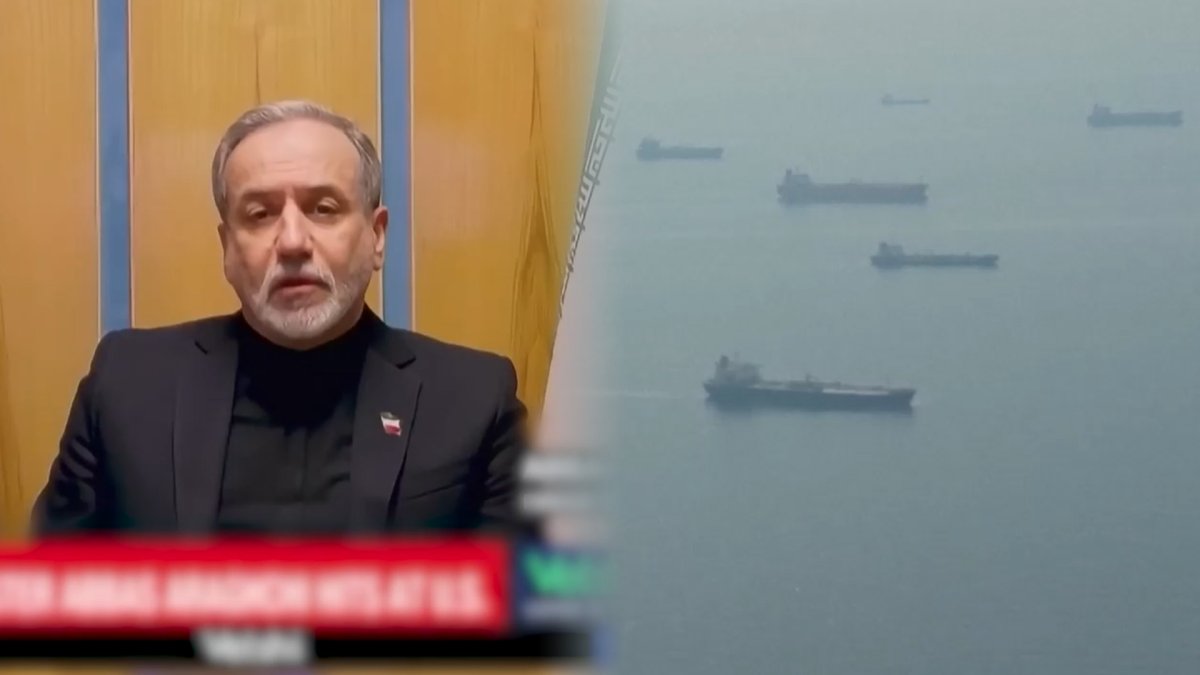
Iranian Foreign Minister Abbas Araghchi told reporters in a recent interview that Tehran is prepared to allow Japanese vessels to transit after consultations with Tokyo.
Araghchi emphasized that Iran has not imposed an outright closure of the strait; it is blocking only vessels it deems hostile or involved in attacks, and says non-hostile countries can secure safe passage through bilateral consultation. Officials say Iran has already permitted ships from Pakistan, India and Turkey to pass.
This is not a token diplomatic gesture. Analysts say Tehran is weaponizing control of the strait as a bargaining chip, deliberately testing and trying to split the U.S.-led maritime coalition from within.
Cho Han-beom, a senior fellow at the Korea Institute for National Unification, said Iran currently holds the leverage over the Strait of Hormuz and argued that, under the circumstances, countries may need to negotiate directly with Tehran rather than routing talks through Washington.
Hormuz: The Flashpoint Testing Alliance Cohesion
President Trump issued an ultimatum demanding the strait reopen within 48 hours, warning that refusal would bring the destruction of Iranian power plants. He has also pressed allies — including South Korea, Japan, the U.K. and France — to join a maritime coalition, reportedly winning tentative commitments from roughly seven countries. Iran’s selective-transit approach complicates coalition-building and forces partners to weigh hard choices.
![[NewsPrime] Trump repeatedly presses Korea and others to send forces to Hormuz / Yonhap News](https://contents-cdn.viewus.co.kr/image/2026/03/CP-2023-0225/image-4ab14e5f-bfd3-496e-928d-59195bb26fa9.jpeg)
U.S. Central Command commander Brad Cooper said Iran’s capacity to threaten navigation has been degraded, but he acknowledged that the de facto blockade remains in place.
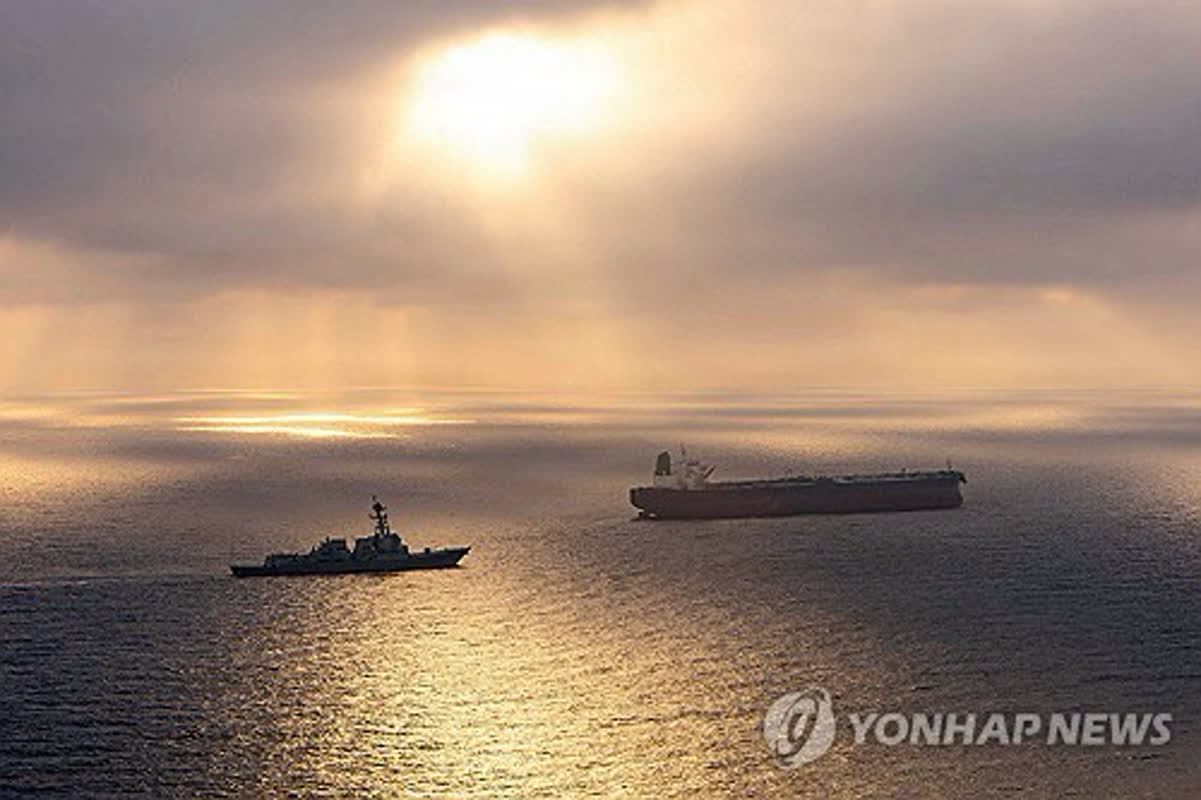
The Strait of Hormuz channels more than 20% of the world’s seaborne oil. A prolonged disruption has rippled through commodity markets — aluminum hit a four-year high — and strained global supply chains.
Major Asian transshipment hubs such as Singapore and Tanjung Pelepas are reporting heavier anchorage and rising congestion, underscoring the tangible supply-chain fallout.
Iran’s Wedge Strategy Targets Japan
Tehran’s public exception for Japanese vessels appears aimed at exploiting a perceived vulnerability in the U.S.-Japan relationship. Japan relies heavily on the Strait of Hormuz for energy imports and has maintained diplomatic channels with Iran that other Western partners lack.
Tehran has released some detained Japanese nationals and signaled it could permit Japanese-flagged ships to pass, expanding negotiation space and applying pressure on alliance cohesion.
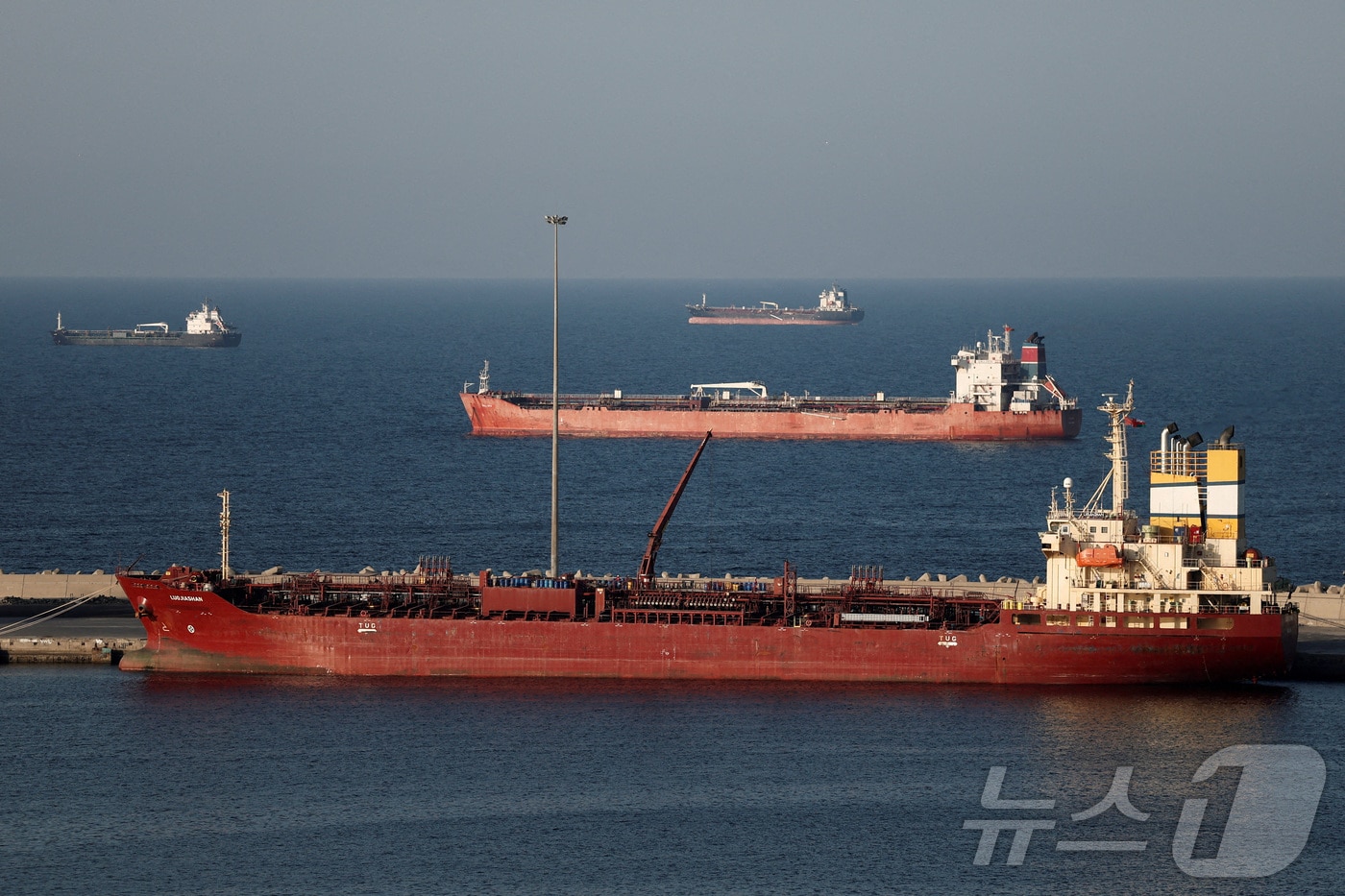
Tokyo’s internal debate is split. One government official told reporters that direct talks with Iran could be the most effective route, but warned Tokyo must act cautiously to avoid alienating Washington.
As Prime Minister Sanae Takaichi continues talks with President Trump in Washington, Japan faces a stark choice between full alignment with its U.S. ally and a more independent, transactional diplomacy to secure energy flows.
Instead of Warships, Mine Clearance — Japan’s Middle Way
Japan has offered a compromise: mine-clearing operations. Foreign Minister Toshimitsu Motegi said Japan’s mine-countermeasure capabilities are among the world’s best and that Tokyo could consider dispatching Self-Defense Forces units to clear mines if a ceasefire reduces the risk of escalation and mines block navigation.
With reports that Iran has laid mines in the strait and U.S. forces already conducting some clearance, Japan’s proposal answers an immediate operational need while allowing Tokyo to avoid direct combat deployments. It would be a technical contribution that shares burden without full-scale involvement.
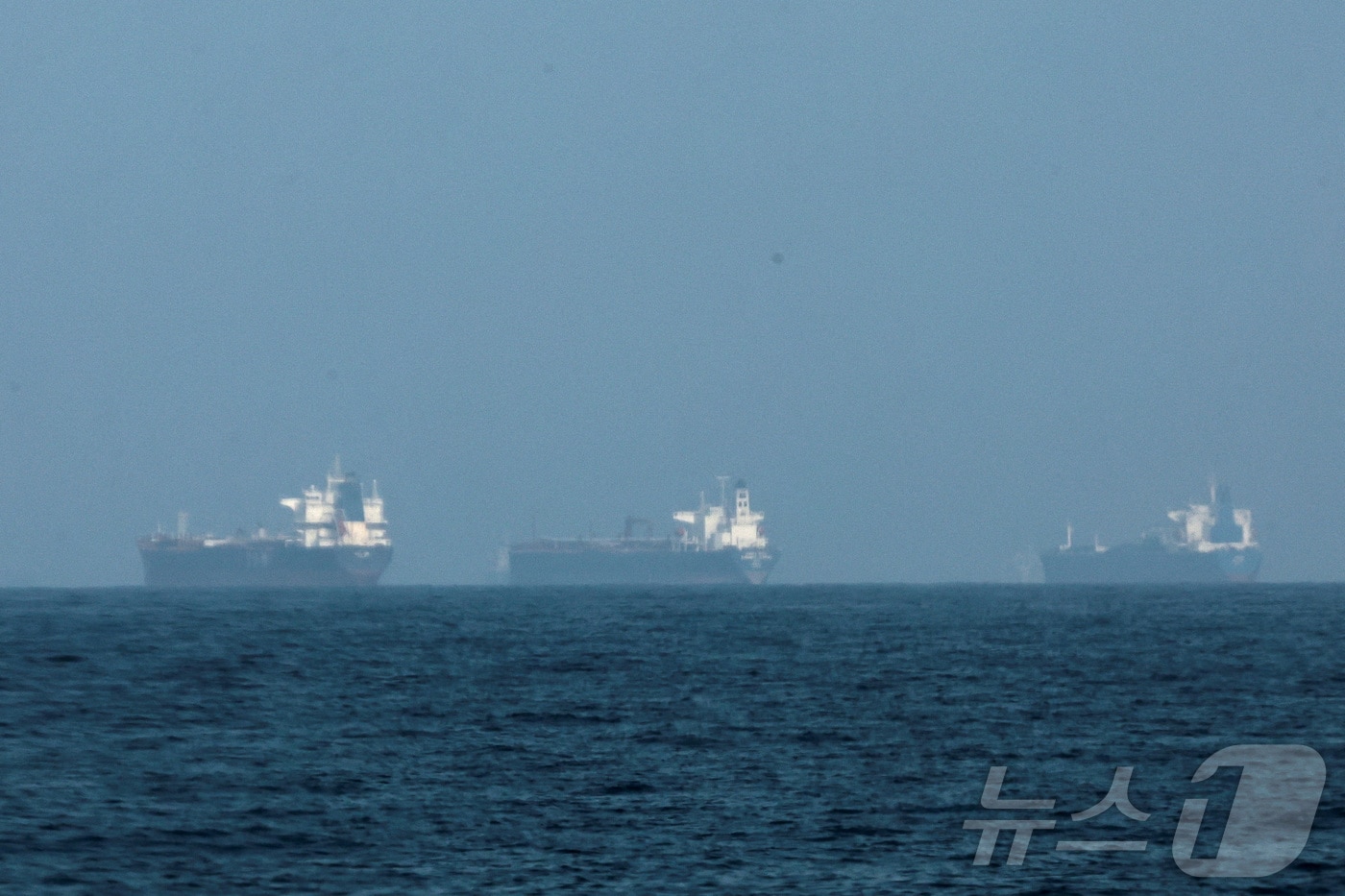
Seoul is monitoring developments closely. On March 18, the foreign ministry convened a joint situation review with the ministries of oceans and fisheries, defense and the coast guard, and coordinated with Korean embassies in the UAE, Saudi Arabia and Qatar to share updates on the strait and the status of Korean ships and crews. Officials say they reviewed phased evacuation plans.
Because Tehran defined consultation as the criterion for selective transit, how Seoul manages direct channels with Iran will likely become a critical variable in protecting Korean energy and maritime interests.
The Strait of Hormuz has evolved from a tactical maritime flashpoint into a strategic test of alliance structures. As Iran’s selective-passage strategy takes hold, the decisive question for states’ energy security may shift from “whose side are you on?” to “who sits down with Tehran first?”










Most Commented