
Signals of Possible Passage, but Uncertainty Remains
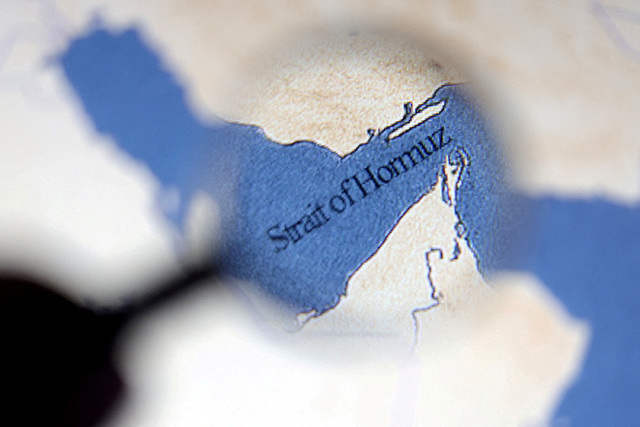
Iran said it could allow limited transit through the Strait of Hormuz provided it cooperates with the International Maritime Organization (IMO). Officials said the opening would exclude vessels tied to countries Tehran considers hostile.
On the 22nd (local time), Reuters quoted Ali Mosavi, Iran’s envoy to the UN-affiliated IMO, saying, “Iran is ready to cooperate with the IMO to improve maritime safety in the Gulf and to protect seafarers.”
He said the strait would be open to all vessels except those connected to countries Iran considers “enemies,” and that transit would be allowed if Tehran coordinates safety and security measures.
The comments came shortly after the U.S. demanded the strait be fully reopened and signaled it could respond forcefully.
President Donald Trump warned on the social media platform Truth Social that “if Iran does not fully reopen the Strait of Hormuz within 48 hours with no threats, the United States will attack and obliterate Iran’s power plants, starting with the largest.”
Iran had maintained a blockade of the Strait of Hormuz following recent airstrikes. That action pushed international oil prices sharply higher and heightened instability in global energy markets.
But it remains unclear how much a conditional reopening would reduce maritime risk. The U.S. continues to press for a full reopening and has warned military options remain on the table.
Global oil prices have been trading around $100–$110 per barrel, remaining at elevated levels. Continued tensions between the U.S. and Iran could keep energy markets volatile.
Reporter Yeom Jae-in yji@viva100.com















Most Commented