
Translation result
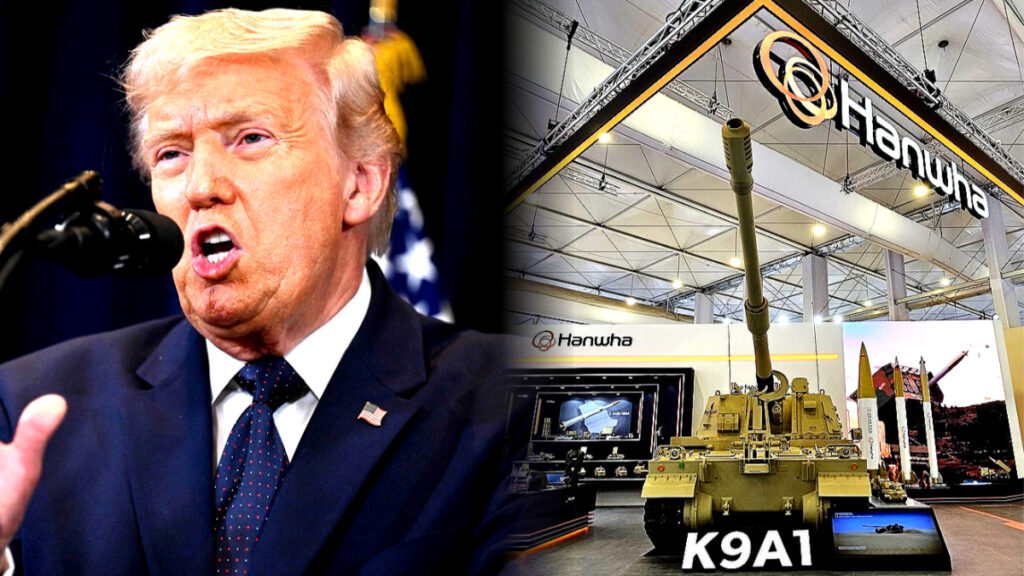
Global attention is fixed on the smoke-choked Middle East. Yet Washington’s focus remains on the narrow waters of Asia — the Taiwan Strait.
Major international outlets report the U.S. government has made clear it will not delay arms deliveries to Taiwan, even as tensions with Iran escalate.
This is not mere diplomatic reassurance.
Even if a major conflict erupts elsewhere, U.S. national-security priorities remain centered on the Indo-Pacific, where Washington seeks to deter China.
25 trillion KRW (approximately 18.75 billion USD) are headed to Taiwan, not the Middle East
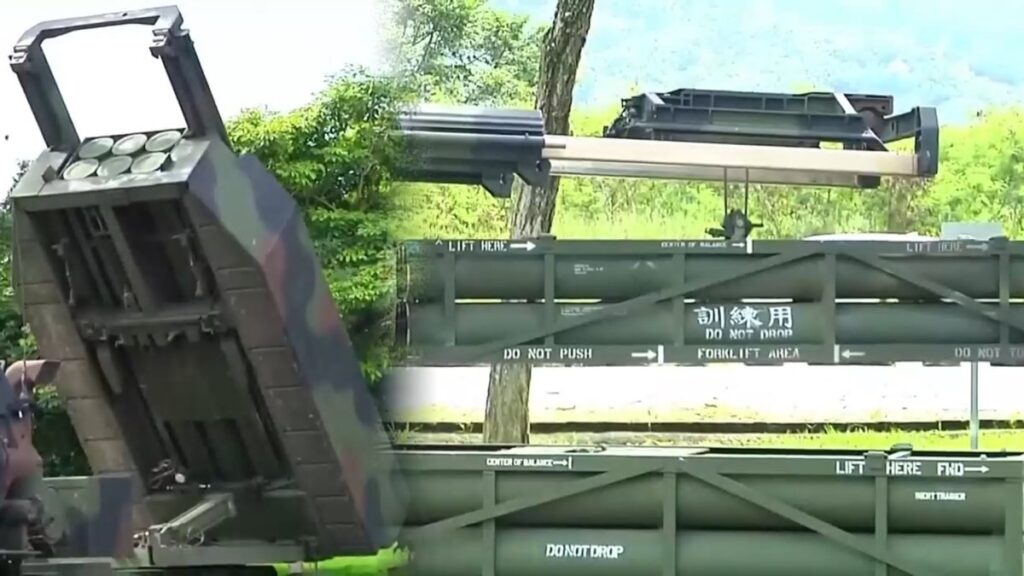
Taiwan currently faces a backlog of undelivered U.S. weapons valued at roughly 25 trillion KRW (approximately 18.75 billion USD).
That backlog includes modern fighter aircraft, Harpoon anti-ship missiles, Stinger MANPADS and other asymmetric systems critical to deterring a Chinese amphibious operation.
When the war in Ukraine erupted, analysts warned U.S. munitions would be diverted to Europe, delaying shipments to Taiwan.
But the dynamics in the current Middle East crisis are different.
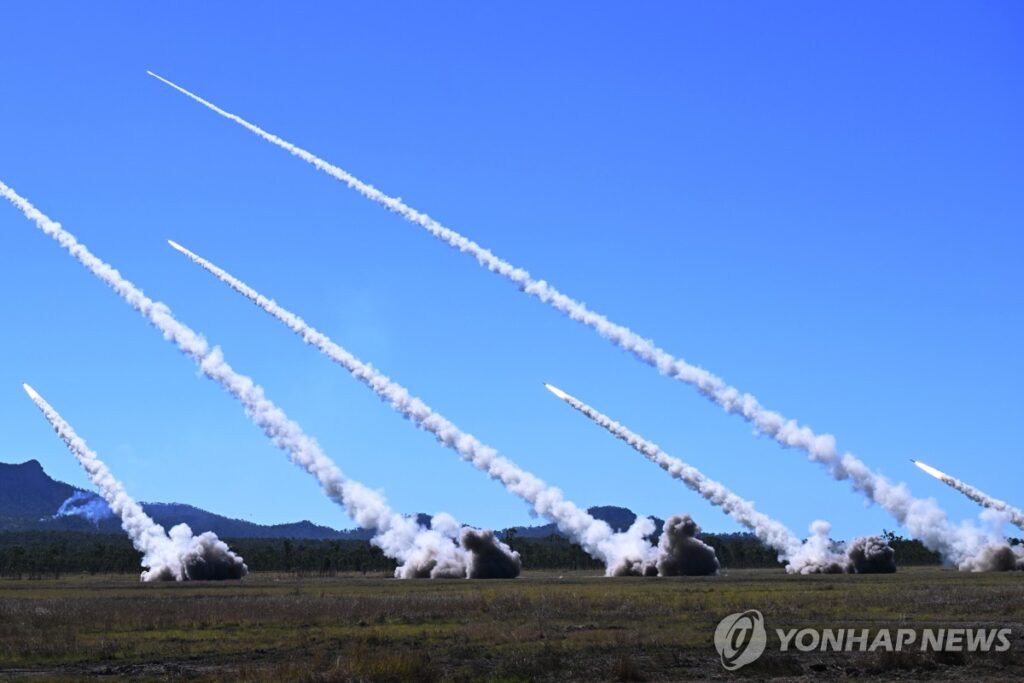
The U.S. has invoked presidential authorities to transfer stockpiled weapons without congressional approval, moving in-service U.S. stocks toward Taiwan.
U.S. officials argue that, however urgent the Middle East crisis, deterring a Chinese invasion of Taiwan is the more consequential, long-term challenge to American power.
Taiwan becomes a weapons black hole, exposing gaps in South Korea’s security
America’s Taiwan‑first posture imposes a complex, costly security bill on South Korea.
U.S. defense industrial capacity was structured for peacetime and cannot ramp up quickly on short notice.
Production lines for key intercept and strike systems — like Patriot missiles and 155 millimeter shells (about 6.1 inches) — are hard‑pressed to meet global demand even on a 24/7 schedule.
If U.S. weapons and ammunition are prioritized for Taiwan and the Middle East, South Korea risks serious shortfalls in timely U.S. reinforcement and in the wartime stockpiles it relies on.
A diplomatic‑security analyst warned: “The more U.S. strategic focus shifts to Taiwan, the more South Korea’s burden to respond independently to North Korean provocations will grow.”
A chilly geopolitical dilemma behind defense‑industry windfalls
U.S. shortages have produced a short‑term export boon for South Korea’s defense industry.
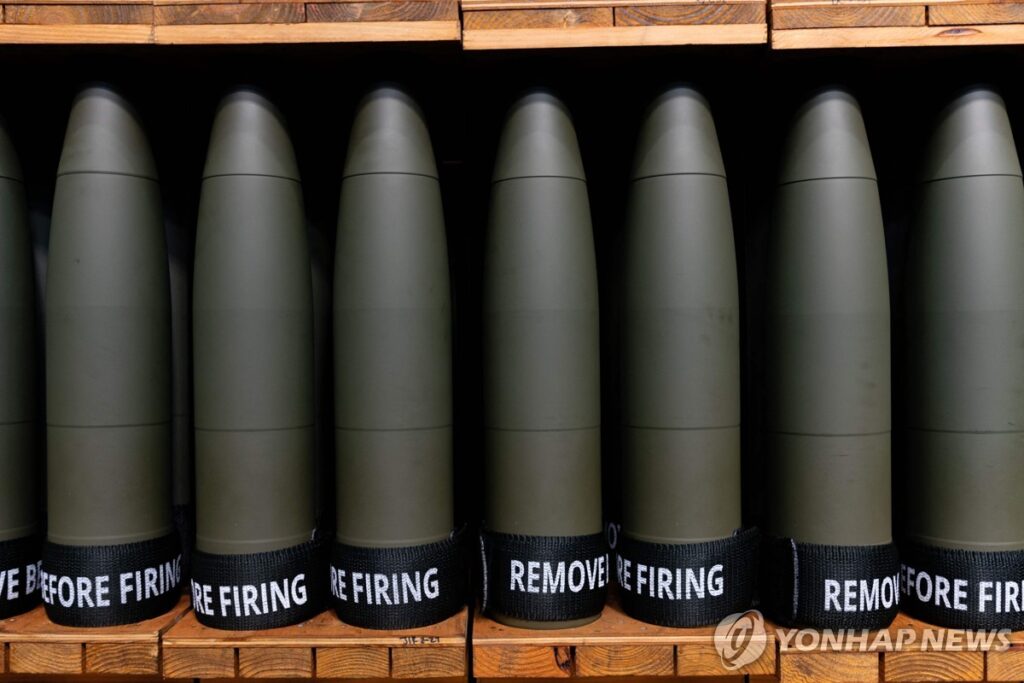
As Washington concentrates resources on Taiwan and the Middle East, countries in Eastern Europe and elsewhere are turning to Korean‑made tanks and self‑propelled howitzers to fill capability gaps.
South Korea’s arms exports have climbed sharply in recent years, expanding its share of the global market.
But beneath those economic gains lies a stark geopolitical risk: with U.S. military attention divided, North Korea could miscalculate and carry out a localized provocation.
Ultimately, Washington’s decision to prioritize Taiwan offers a hard lesson for Seoul. The international environment is too unforgiving to rely solely on an alliance umbrella; South Korea must urgently field overwhelming self‑defense capabilities.










Most Commented