
How the Iran-US Conflict is Redefining Global Energy: Key Insights for Asian Markets
Daniel Kim Views
Translation result
[Sports Seoul | Sangbae Lee, Senior Reporter] The confrontation between the U.S. and Iran has moved beyond a “crisis.” Warfare is already underway, and its dynamics have rapidly outstripped the familiar patterns of Middle East conflicts. This is not a conventional military fight; it is a system-level war — a struggle that fuses energy, logistics and finance. At the center of that struggle is the Strait of Hormuz.
Roughly 20% of global seaborne crude oil, about 18 million barrels a day, transits the strait. Include liquefied natural gas and that narrow channel supports roughly a quarter of the world’s energy flows. The strait’s narrowest section is about 33 km wide, and actual shipping lanes are limited to roughly 3 km each way — a tactical bottleneck and a strategic vulnerability.
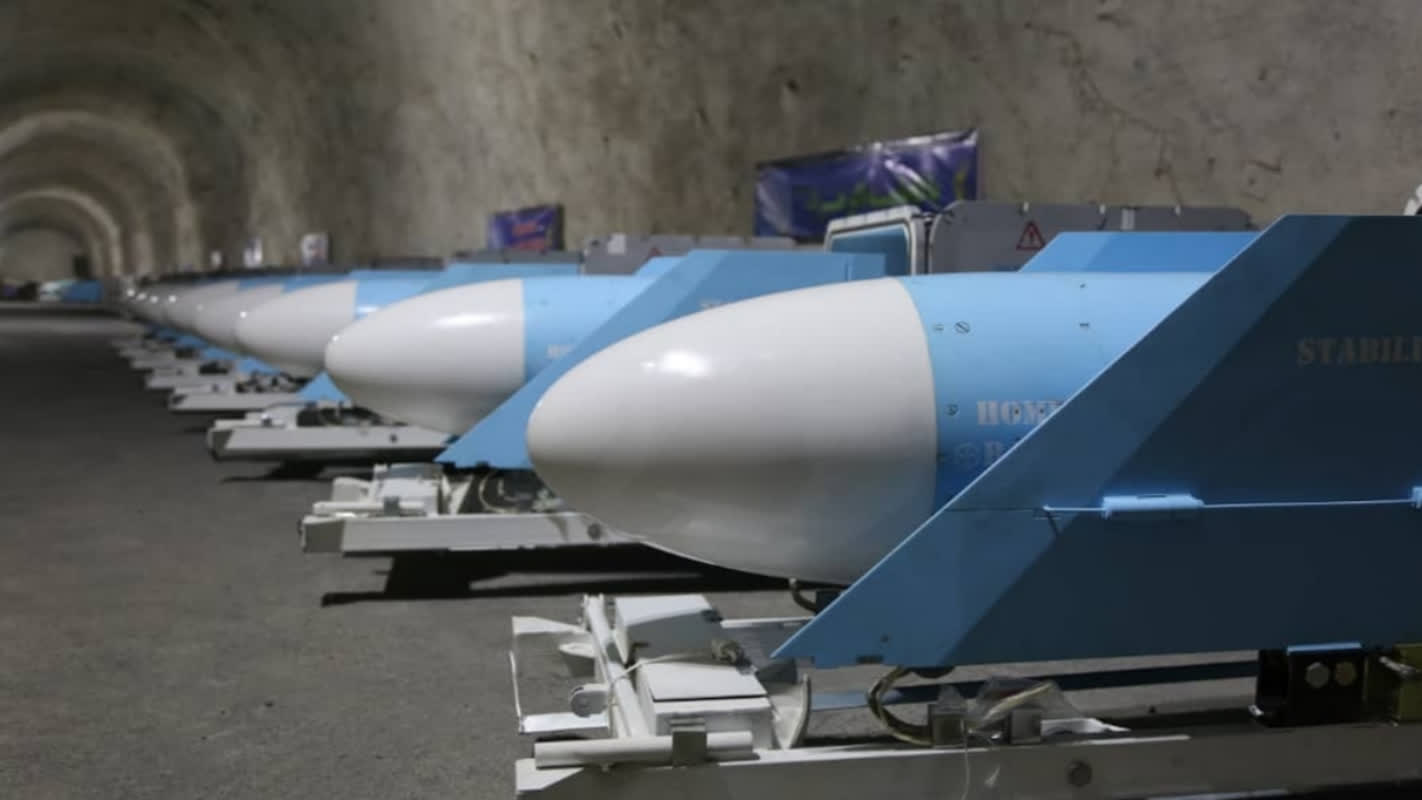
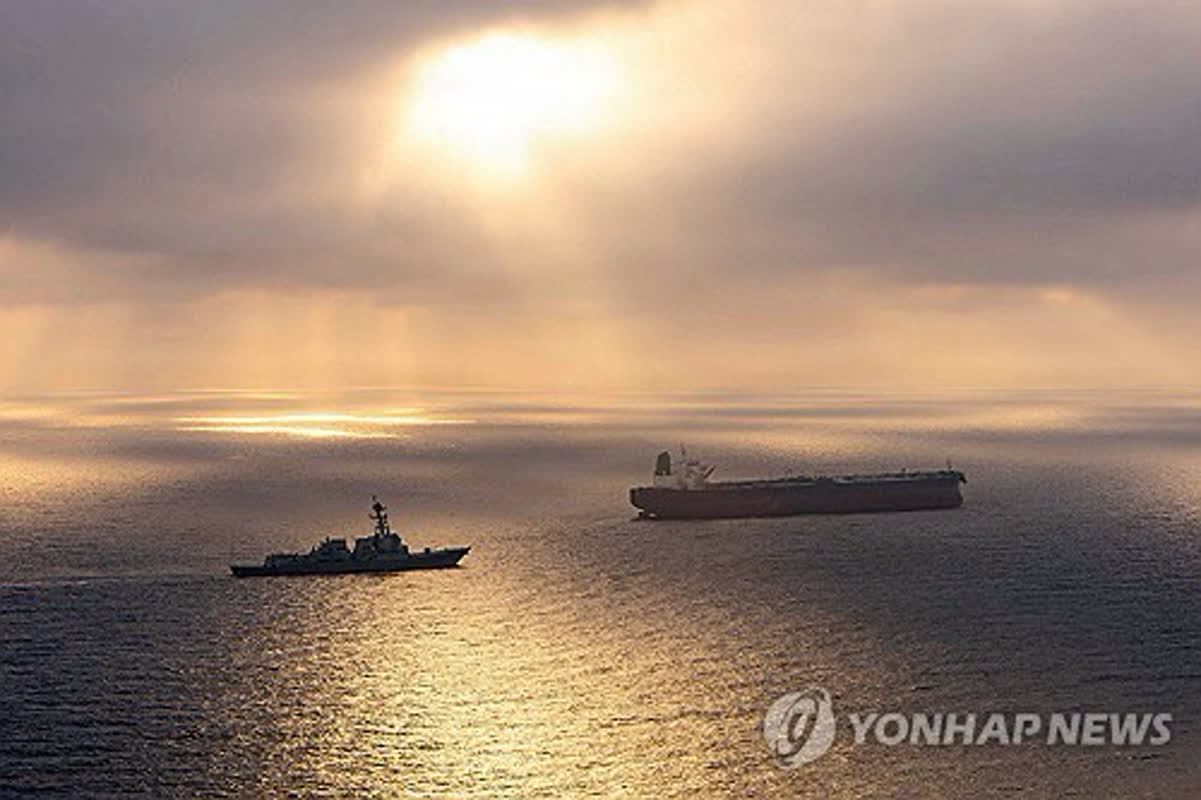
Iran has been using mines, drones and anti-ship missiles to pressure transit through the strait. The United States is deploying carrier strike groups and escort operations to maintain access. This confrontation is fundamentally about control of energy flows, not just about naval engagements.
Markets have already reacted. International oil prices surged into a $110–$130 per-barrel range in a short period, and analysts now consider $150-plus scenarios if the fighting intensifies. Freight rates climbed 30–50% on some routes. War-risk insurance premiums spiked five- to tenfold above peacetime levels. These shifts aren’t simple price volatility — they represent a broad reordering of global supply-chain costs.
The impact on South Korea is acute. About 70–75% of Korea’s crude imports and more than 30% of its LNG come from the Middle East. A substantial share of the country’s roughly 2.5 million barrels per day in oil imports transits the strait. A $10-per-barrel rise in oil adds roughly 9–10 trillion KRW (about $6.75–7.5 billion) to Korea’s annual import bill. That increase feeds directly into higher power bills, manufacturing input costs and logistics expenses, squeezing an export-dependent economy.
The industrial shock is deeper. Korea’s core sectors — semiconductors, steel and petrochemicals — are power intensive. Large semiconductor clusters consume tens of terawatt-hours annually, comparable to a mid-sized city’s electricity use. AI data centers can demand 100–300 megawatts per site. Rising energy prices therefore threaten not just margins but the fundamental competitiveness of those industries.
The conflict’s potential to expand is measurable. The Middle East accounts for roughly 30% of global oil production and about 48% of confirmed reserves. With critical facilities in Saudi Arabia, the UAE and Qatar exposed to attack, supply disruptions are a realistic scenario rather than a remote possibility. The U.S. is pressing allies to help secure sea lines of communication, and more countries are likely to join multinational maritime security efforts.
South Korea can no longer treat its response as abstract. The country relies on the strait for roughly 300,000 metric tons or more of daily seaborne cargo. While deploying combat forces requires caution, Seoul should seriously consider noncombat contributions — convoy escorts, maritime surveillance and intelligence support — to defend its economic lifeline. This is about alliance obligations and protecting the national economy.
Energy policy must be retooled with clear numerical targets. Seoul should aim to cut Middle East dependence from roughly 70% to below 50% over the medium to long term and expand LNG procurement from the U.S., Australia and other suppliers. Nuclear power should be maintained and expanded to at least a 30% share, and a layered energy mix that includes renewables and hydrogen must be built. Diversifying the energy mix is not merely cost management — it is strategic risk mitigation.
Industry policy is equally straightforward. Semiconductors, batteries and AI all demand large and growing electricity supplies. Korea’s total annual electricity consumption is about 600 TWh; with expanded AI and data industries, demand could rise another 20–30% within a decade. Failure to expand energy infrastructure will erode industrial competitiveness. Energy planning and industrial strategy must be integrated.
Diplomacy also boils down to numbers. More than 40% of Korea’s exports go to the U.S. and allied markets, while most of its energy imports come from the Middle East. Seoul already operates within a dual-dependence framework. If that framework is not managed, diplomatic choices will quickly translate into economic vulnerability.
The conclusion is clear. The world is being reshaped by conflict into a new order measured less by battlefield gains and more by energy (20%), industrial capacity (tens of TWh) and alliance markets (40% of exports).
The relevant question for Korea is no longer simply “Which side will we choose?” It is: “What institutional structure will we join, and what quantifiable role will we secure within it?” Fail to answer that, and Korea will remain vulnerable to a $10 oil swing, a 1 TWh shift in power demand or a 1% change in exports. Answer it, and Seoul can turn crisis into opportunity and secure real influence in the emerging order.

sangbae0302@sportsseoul.com










Most Commented