
Is Dubai’s Golden Era Over? The Devastating Impact of the Missile Strike on Global Aviation
Daniel Kim Views
Translation result
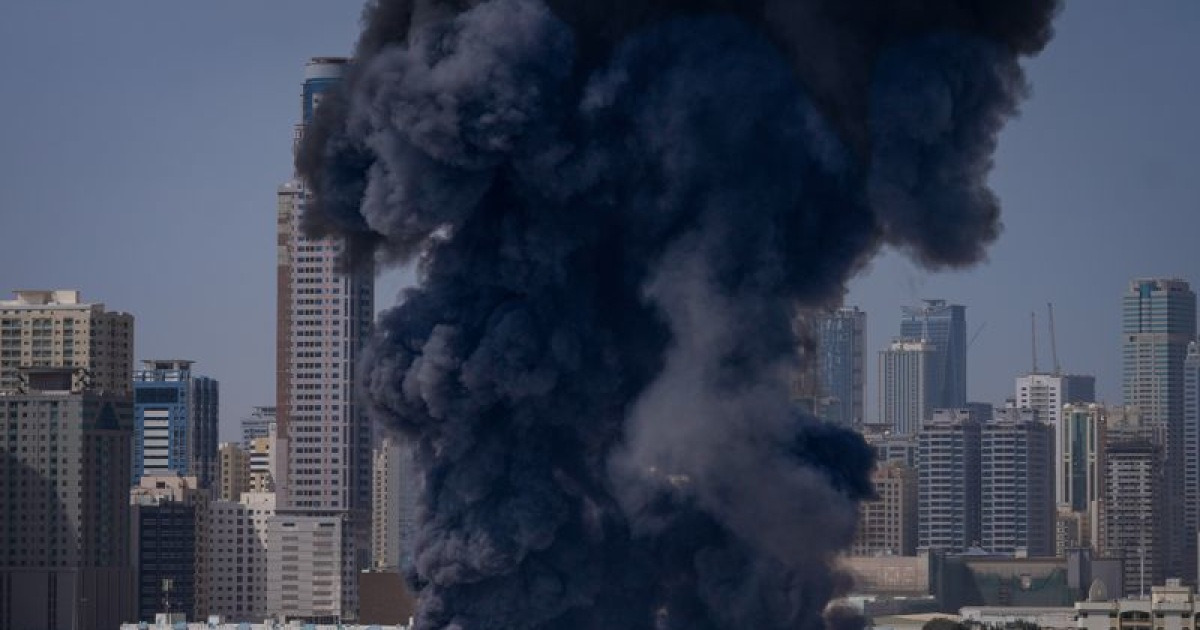
Iran missile strikes Dubai airport runway; glamorous city reduced to catastrophic inferno
The Islamic Revolutionary Guard Corps fired a long-range ballistic missile—reported range 2,000 km—that struck a Dubai International Airport runway, turning one of the world’s busiest hubs into an unprecedented inferno. Terminals packed with travelers were swallowed by smoke and flames. A chain of explosions at some 20 fuel tanks produced 300-meter pillars of fire and devastated the Dubai skyline, including views of the Burj Khalifa and Palm Jumeirah. Authorities estimate more than 500 civilian deaths. The strike knocked out roughly 30% of global air traffic and sent oil prices sharply higher, opening a new phase in the region’s conflict.
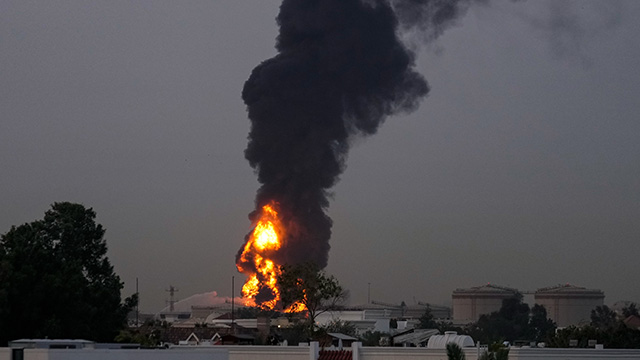
Live video captured terminals being wiped out at the moment of impact
At 2:47 p.m. local time on March 18, 2026, five SEIJ-3 ballistic missiles struck runway 27L at Dubai International, creating three craters roughly 15 meters deep. Massive blast damage shattered Terminal 3’s glass and sent about 1,000 passengers fleeing in panic. Fifty fuel trucks detonated in series, converting some 500,000 square meters into a sea of fire. Live footage circulating on social platforms showed as many as ten Emirates A380s engulfed in flames, with wings collapsing under the heat, and roughly 200 vehicles shredded by flying debris on the runway. Airport CCTV captured a 30-second warning siren as missiles trailed fire through the sky and crew issued frantic evacuation instructions. UAE Patriot batteries failed to intercept three of the incoming missiles. The terminal collapse left about 300 people missing. Officials characterize the strike as an attack aimed at destroying Dubai’s economic hub, not merely a military target.
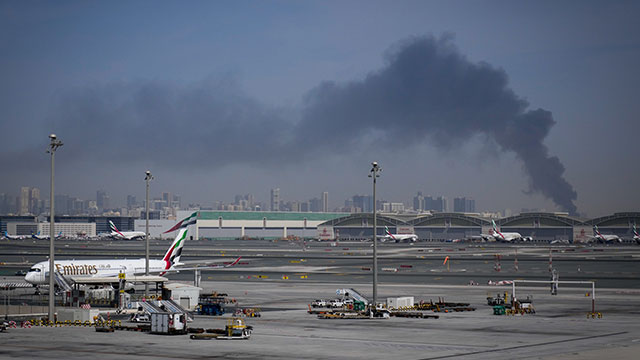
Fuel-tank detonations produced a 72-hour inferno that overwhelmed responders
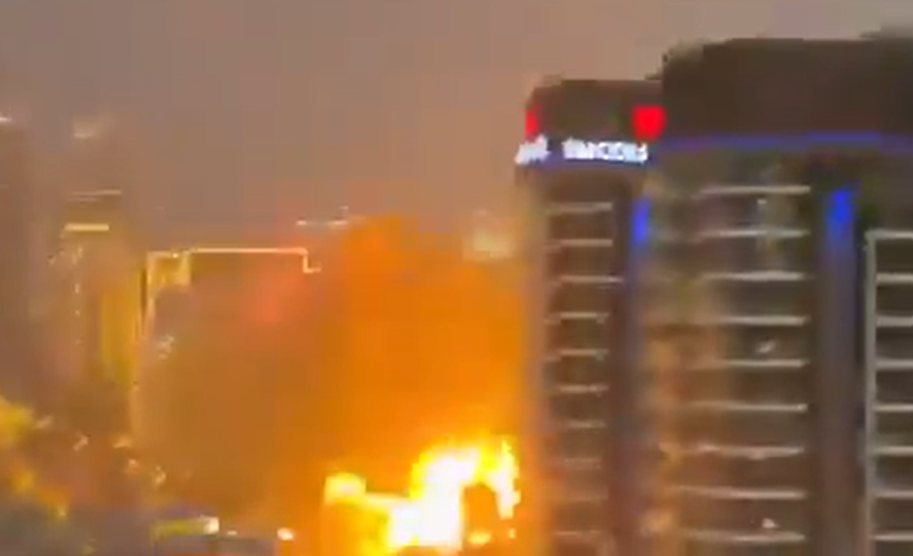
Debris ignited airport fuel storage—around 200,000 kiloliters—triggering cascading explosions and temperatures estimated near 1,500°C. Seven columns of fire, each approximately 300 meters high, enveloped parts of the city and sent a black smoke plume across a 50-kilometer radius. About 5,000 firefighters were deployed but could not approach the hottest areas; extinguishing the main fires took roughly 72 hours. Flames reached Palm Jumeirah and damaged the exterior of the Burj Al Arab; the Expo 2020 site was reduced to ash. Thermal satellite imagery showed the airport glowing hot for five days, and glass on high-rises within a 10 km radius was shattered on an estimated 80% of nearby towers. Confirmed casualties included some 200 airport employees and 350 passengers, with around 1,000 people reported missing. Toxic smoke produced respiratory injuries affecting about 50,000 residents. The blaze effectively erased Dubai’s emblematic golden image.
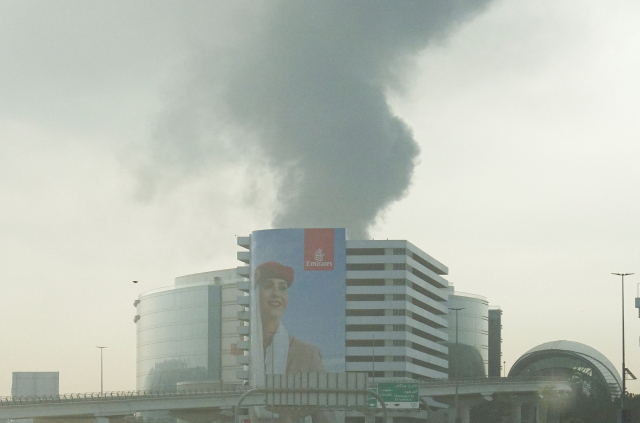
Global hub paralyzed; ripple effects halt roughly 30% of world air traffic
Dubai International handles about 90 million passengers a year and serves roughly 450 airlines from 100 countries, functioning as a key artery linking Africa, Europe and Asia. The missile strike damaged an estimated 70% of runways, collapsed two of three terminals and destroyed the control tower’s communications room, halting operations. Officials say reconstruction will take at least six months. Emirates and flydubai canceled roughly 1,500 flights. Cargo capacity fell by about 80%, disrupting global supply chains for electronics and pharmaceuticals. Around 40% of India–Europe flights were diverted to Abu Dhabi, which lacked capacity to absorb the traffic; fares spiked roughly tenfold. Two million tourists were stranded, hotel occupancy in Dubai plunged to about 10%, and the economy suffered estimated daily losses of $5 billion. Analysts say the disruption effectively stopped some 30% of global aviation and set back Asia–Europe trade by decades.
UAE air-defense failures prompt urgent move to acquire South Korea’s Cheongung-II
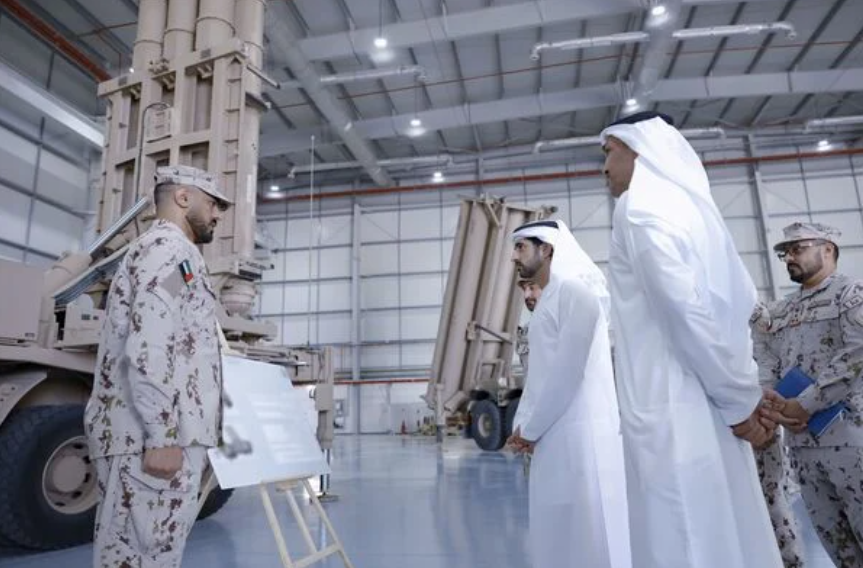
The direct hit exposed critical failures in the UAE’s Patriot PAC-3 and THAAD defenses. Reported characteristics of the SEIJ-3—high speed and a maneuverable warhead—overwhelmed Patriot tracking, and dozens of interceptors reportedly failed, leaving effective detection at roughly 40%. A similar shortfall was noted during earlier strikes on Saudi facilities. The Gulf Cooperation Council moved to acquire South Korea’s Cheongung-II after those failures. Cheongung-II, a layered air-defense system shown in tests to achieve high interception rates against certain Iranian systems, is slated for immediate procurement: the UAE plans to buy 52 batteries (reported cost about 15 trillion KRW (approximately 11.25 billion USD)) and pursue local production. Reconstruction of the airport will be conditioned on permanent Cheongung-II deployment, positioning Hanwha Systems to capture a major share of the regional defense market. The episode underscored limits in current Western-area missile defenses facing advanced regional threats.
Human toll and rescue operations: estimated 500 dead, largely foreign workers
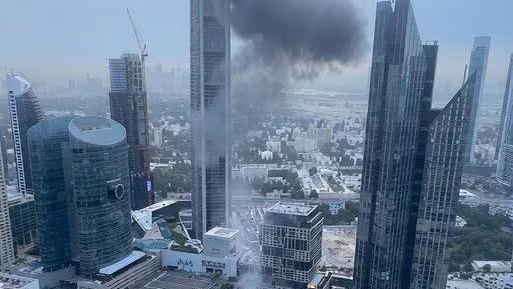
With expatriates making up about 90% of Dubai’s 3.5 million residents, foreign workers accounted for the majority of casualties—roughly 80% from India, Pakistan and Bangladesh. The terminal collapse crushed about 400 people sheltering in an on-site gym, and hospitals received some 2,000 burn victims from the fuel blast. Rescue teams did find about 50 survivors alive beneath concrete rubble, but secondary injuries from toxic smoke continued to mount. The Dubai government organized state funerals for about 500 victims and allocated funds for repatriation; the dirham fell roughly 20% in value, complicating relief funding. Social media feeds showed survivors reaching from collapsed structures and grieving families, highlighting an unfolding humanitarian crisis. The attack transformed Dubai’s glamorous image into scenes of widespread loss.
Economic and tourism collapse; recovery outlook threatens Dubai’s golden era
Dubai’s economy—heavily dependent on tourism, aviation and logistics—took a catastrophic hit. Bookings at Burj Al Arab fell to about 5%; Palm Jumeirah attractions closed and Expo events were canceled. Analysts estimate daily losses up to $10 billion. The dirham reportedly plunged 30%, and capital flight of about 500 trillion KRW (approximately 375 billion USD) triggered a real-estate downturn and vacancy spikes in high-rise apartments. The UAE announced plans for a large emergency recovery fund and to expand Abu Dhabi Airport to redistribute traffic, but Dubai’s brand value could erode by as much as half. Officials estimate reconstruction will take at least two years and will require an integrated air-defense posture, including deployment of Cheongung-II, to protect any rebuilt skyline. The inferno marks a turning point with long-term consequences for the emirate’s economy and stature.















Most Commented