
Understanding the Impact of Japan’s Election on US-Korea Military Relations: A Comprehensive Guide
Daniel Kim Views
@@@
Photo
@@@
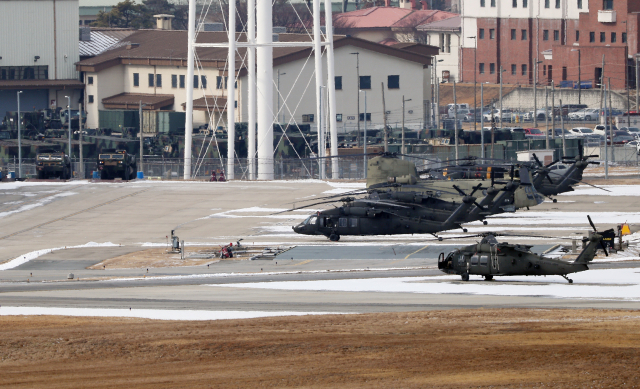
Signs are emerging of a potential reduction in U.S. forces stationed in South Korea. This appears to be a ripple effect from the Japanese Liberal Democratic Party’s landslide victory in recent elections. If Japan revises its pacifist constitution to bolster its military capabilities, it could ease the U.S. burden in trilateral cooperation among the U.S., South Korea, and Japan in Northeast Asia. This has sparked concerns that the U.S. might push for increased defense spending from South Korea and greater flexibility in the role of U.S. forces there.
The Trump administration’s intent to alleviate military burdens has also reached European allies. Reports indicate plans to transfer command of two major NATO regional headquarters, including one in Naples, Italy, to European nations.
◆Heavy Troops Likely First in Line for Relocation
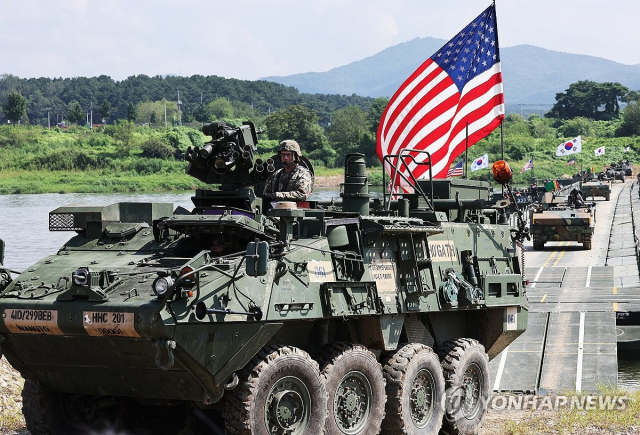
The U.S. has welcomed the Japanese ruling party’s decisive victory and its firm commitment to constitutional revision. Washington views Japan’s military autonomy as a key factor in reducing its own military responsibilities in the region. Prime Minister Takaiichi’s comments suggesting possible intervention in a Taiwan crisis scenario cannot be dismissed as mere personal opinion.
Following the ruling party’s victory, President Trump took to social media, reflecting this trend. He expressed hope for significant achievements in implementing Japan’s conservative “peace through strength” agenda, stating, “The wonderful Japanese people who voted with such enthusiasm will always have my strong support.”
@@@
Yonhap News
@@@
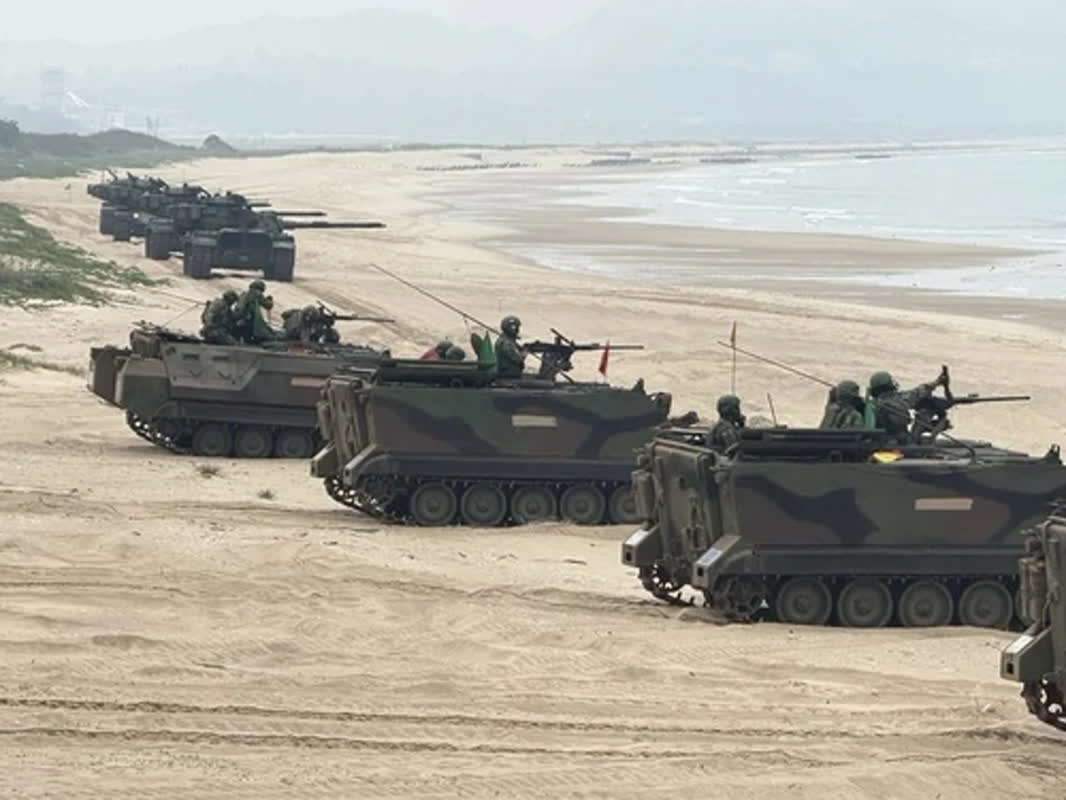
U.S. think tanks have also picked up on this trend. Kelly Grieco, a senior researcher at the Stimson Center, addressed the possibility of changes in U.S. force posture in South Korea during a “Korean Media Day” event on February 9. She predicted, “We’re likely to see attempts to reduce troop levels in some form, with heavy army units probably being the first target. There have been clear signals pointing in this direction.” This aligns with ongoing discussions about adjusting U.S. force posture since the beginning of Trump’s second term.
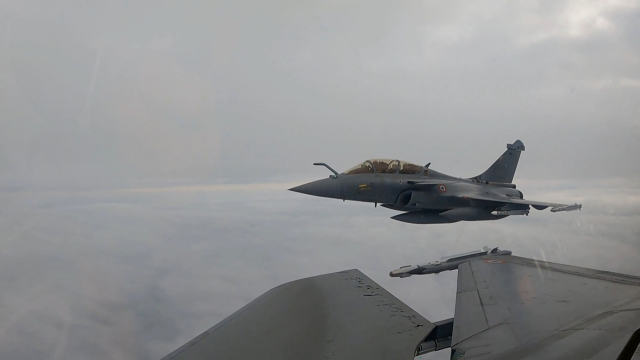
Grieco also noted that instead of reducing army presence, there might be an increase in air or naval capabilities. She reported, “In conversations with defense officials, I’ve heard conflicting views on the air force. Some see value in establishing additional airbases in South Korea for potential dispersed operations. Others believe South Korea wouldn’t allow these bases to be used in wartime scenarios, such as a Chinese invasion of Taiwan, making them less useful despite similar distances to Japan and Taiwan.”
@@@
Photo
@@@
◆Transfer of NATO Command Authority
Reports have surfaced that the U.S. plans to transfer command of two major NATO regional headquarters to European nations. AFP, citing diplomatic sources on February 9, reported that the U.S. intends to hand over command of NATO’s Southern Command in Naples, Italy, to Italy, and the Northern Command in Norfolk, Virginia, to the United Kingdom.
In exchange, the U.S. will assume command of NATO’s Maritime Command based in the UK. These changes are expected to take months to implement. An anonymous diplomat commented, “This is a positive sign that the burden is indeed being shared more equitably.”
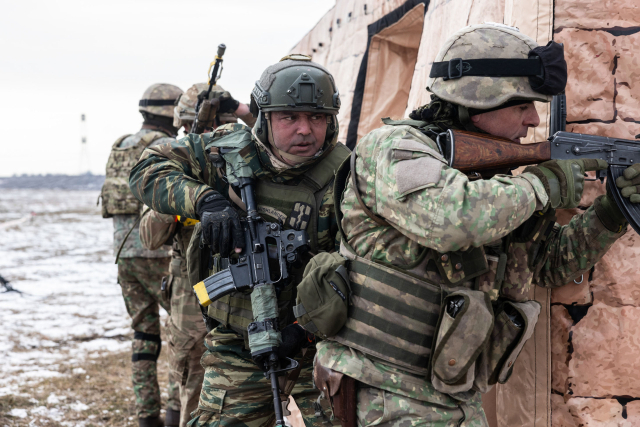
The U.S. has previously indicated its intention to reduce troop deployments in Europe to focus on threats like China. President Trump has urged European nations to take greater responsibility for their own security rather than relying on the U.S., asserting that NATO should be led by Europe. This restructuring of NATO command authority aligns with this broader strategy.
@@@
Photo
@@@
However, AFP predicts that the U.S. will maintain control over NATO’s core air, land, and maritime commands. The U.S. is expected to retain the position of Supreme Allied Commander Europe, ensuring it maintains a central role in NATO operations.










Most Commented