
Ukrainian Skeleton Athlete Banned from Wearing Tribute Helmet: What Does IOC’s Decision Mean for Olympic Politics?
Daniel Kim Views
@@@
Reuters·AFP / Yonhap News
@@@
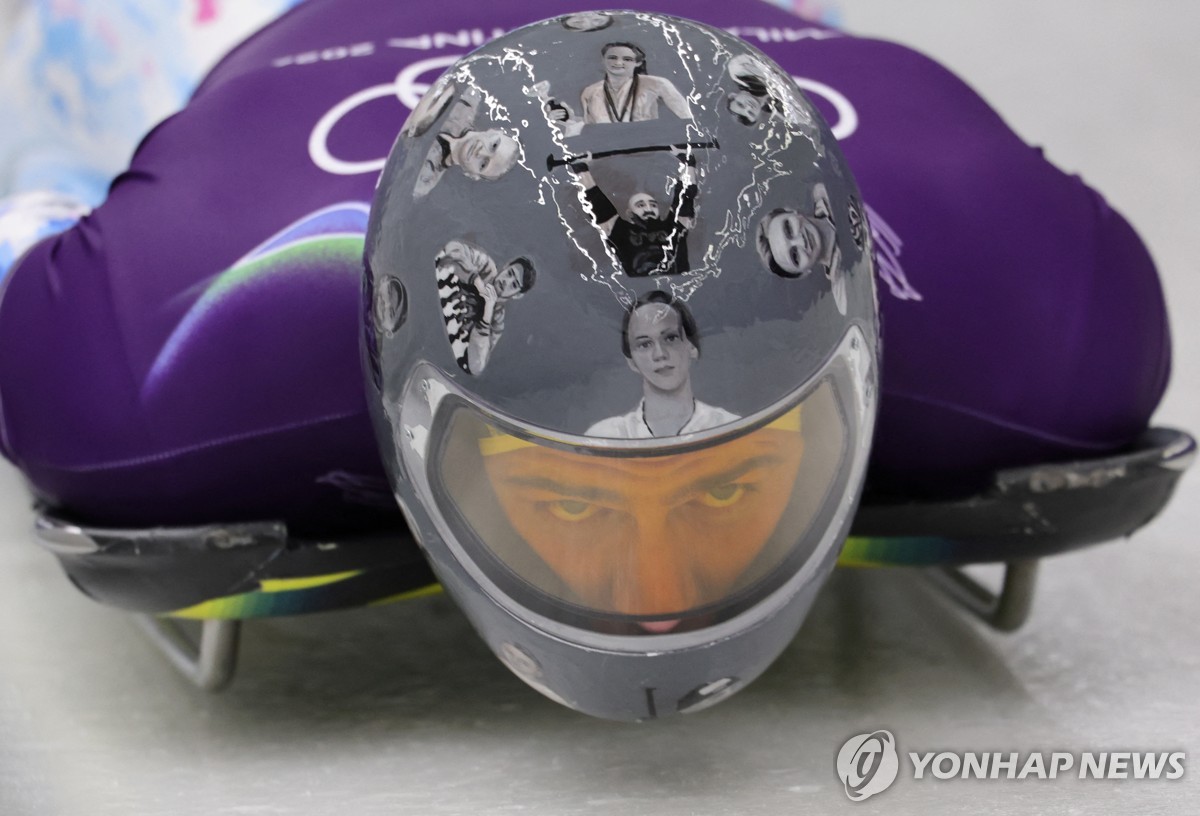
During an official training session on February 9 at the Cortina sliding center in Italy, Heraskevych donned a helmet adorned with portraits of Ukrainian athletes who perished in the war. The helmet featured images of various casualties, including teenage weightlifter Alina Perehudova, along with boxers, ice hockey players, shooters, and dancers.
In a post-training interview, Heraskevych remarked, “Some of the individuals depicted on the helmet were personal friends. I aimed to maintain awareness about the ongoing conflict through the Olympic platform.”
However, the International Olympic Committee (IOC) ruled that the helmet’s imagery constituted a political statement and prohibited its use during competition. The Olympic Charter’s Article 50 explicitly forbids political, religious, or racial propaganda and demonstrations within Olympic venues and associated areas. Citing this provision, the IOC formally notified Heraskevych that the helmet was not permitted for use.
@@@
Reuters·AFP / Yonhap News
@@@
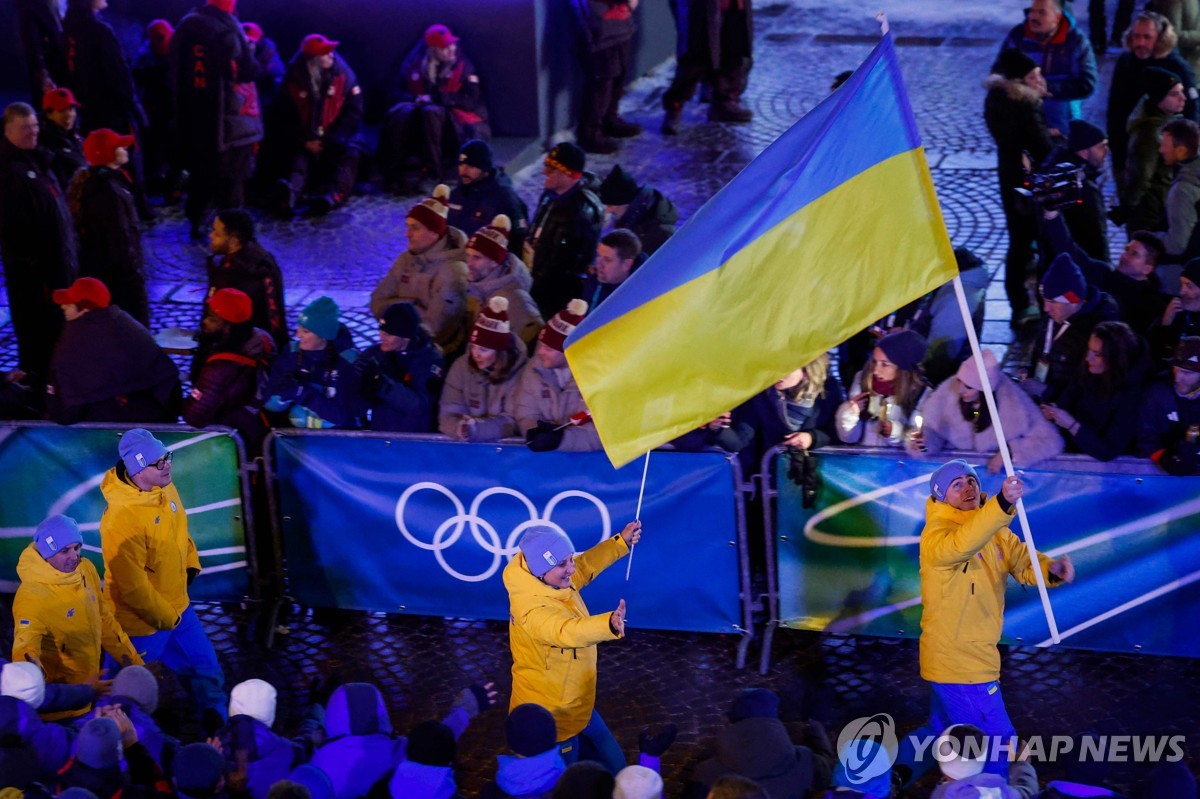
Heraskevych, the first Ukrainian skeleton athlete to compete in the Olympics, is making his third Olympic appearance, following his debuts at the 2018 PyeongChang and 2022 Beijing Games. He previously garnered international attention at the Beijing Olympics by displaying a sign that read “No War in Ukraine.”
In response to the IOC’s decision, Ukrainian President Volodymyr Zelenskyy commended Heraskevych’s actions. Zelenskyy stated via social media, “He has brought global attention to the cost of our struggle. This isn’t merely an uncomfortable political gesture; it embodies the Olympic spirit of safeguarding life and peace.”
Photo: Reuters·AFP / Yonhap News









Most Commented