
Thailand’s Strategic Shift: Why K9 Self-Propelled Howitzers Are Replacing Chinese VT-4 Tanks
Daniel Kim Views
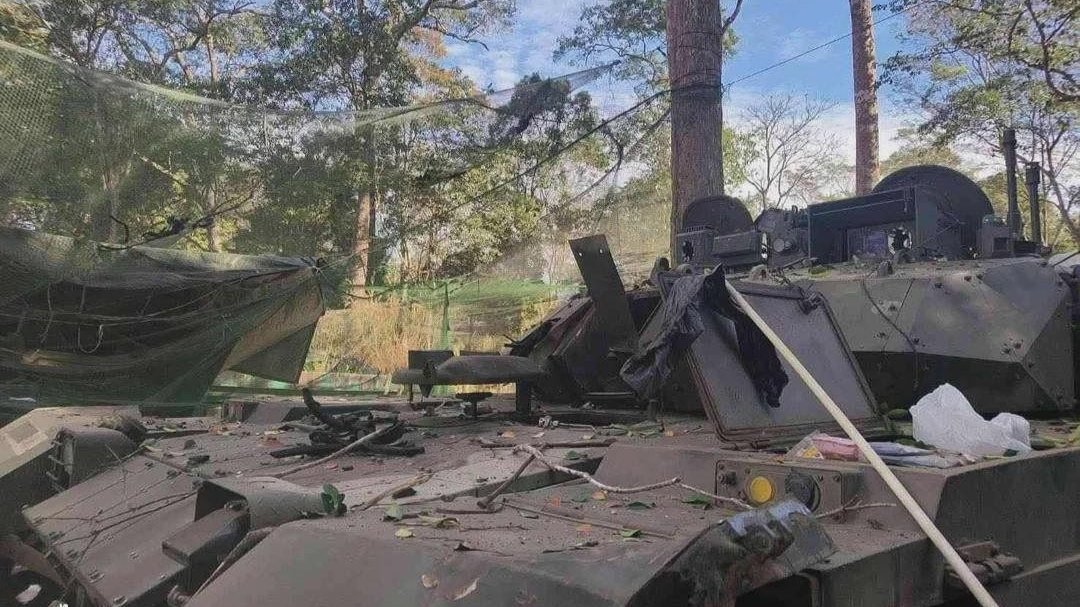
Engine Explosion Crisis: Thailand’s Chinese-made VT-4 Tanks Under Scrutiny
In 2017, the Royal Thai Army procured 50 VT-4 tanks from China’s NORINCO. Initially intended for southern insurgency suppression and border patrol, these tanks have faced significant operational issues. Last year, during border operations, three gun barrel explosions and 15 engine failures were reported. Released photos reveal high-pressure rupture patterns at the main gun’s muzzle.
The root causes are attributed to inadequate heat management, subpar steel quality, and defective ammunition. The VT-4’s engine is prone to overheating and explosion during sustained fire, with cooling system defects proving critical. Thailand’s Ministry of Defense, declaring “the myth of Chinese reliability shattered,” has launched an urgent investigation, realizing the true cost of their decade-long reliance.
This incident has sent shockwaves throughout Southeast Asia.
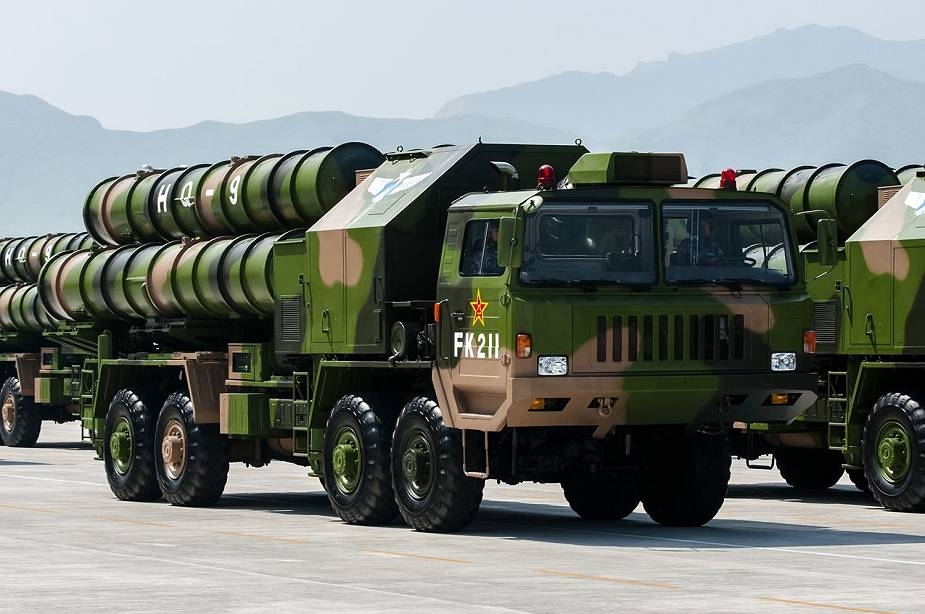
A Decade of Chinese Arms: Lessons Learned the Hard Way
Over the past decade, Thailand invested approximately 5 trillion KRW (3.75 billion USD) in Chinese military hardware, including VT-4 tanks, Z-20 helicopters, and HQ-9 air defense missiles. However, this decision has led to mounting regrets due to tripled maintenance costs, delayed parts supply, and subpar performance. The VT-4’s range is limited to 8km, while the Z-20 helicopters are practically inoperable with a 40% malfunction rate.
Amidst Chinese provocations in the South China Sea, Thailand’s trusted weapons have proven unreliable. Prime Minister Srettha Thavisin criticized Chinese equipment as a “cheap trap,” sparking a trend among Southeast Asian nations to move away from Chinese arms. The Philippines and Vietnam are leading this shift, notably transitioning to South Korean K9 howitzers.
This painful experience has underscored the true value of reliability.
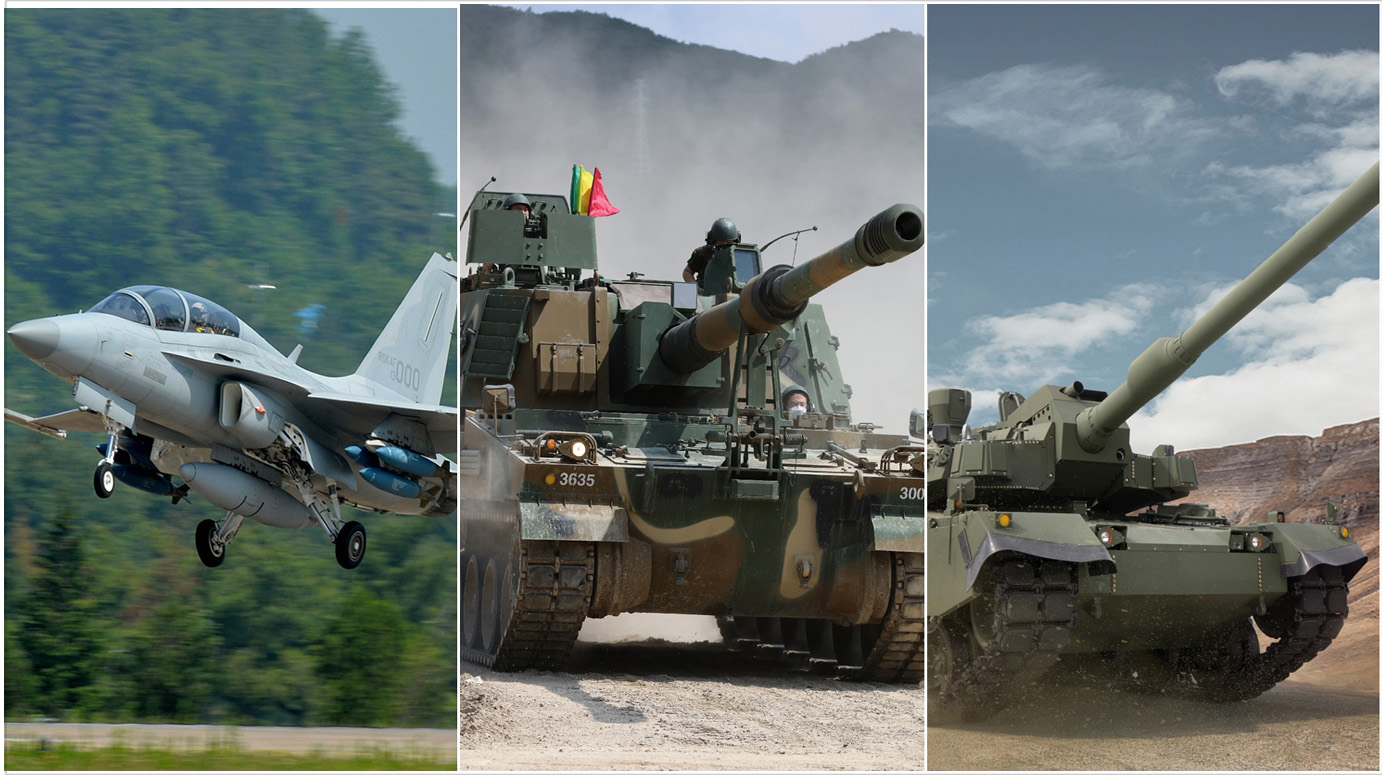
Thailand’s 3 Trillion KRW (2.25 Billion USD) All-In Contract with South Korea
At the 2026 Bangkok Defense Expo, Thailand signed a 3 trillion KRW (2.25 billion USD) contract with Hanwha Defense for 50 K9 self-propelled howitzers and 12 FA-50 aircraft. The K9, with its 50km range and rapid-fire capability of 10 rounds per minute, effectively addresses the VT-4’s shortcomings. The FA-50 serves as a dual-purpose light attack and training aircraft, countering China’s J-10.
The deal includes a 24-month delivery timeline and 40% local production, maximizing economic benefits. The Thai Army Commander praised the K9, stating “one K9 equals ten VT-4s.” The FA-50s, integrated with advanced missiles, will enhance South China Sea patrols. Thailand remains resolute despite protests from the Chinese embassy.
The rationale behind this all-in choice is clear.
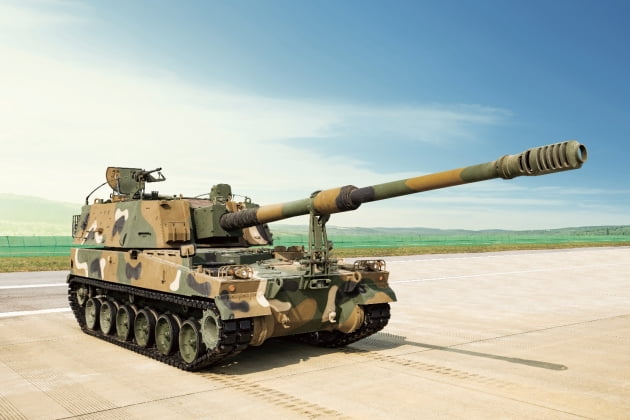
K9 Self-Propelled Howitzer: A Game-Changing Analysis
The K9 is optimized for Thailand’s diverse terrain. It excels in mobility on desert and jungle roads, boasts a 52-caliber gun with a 50km range, and leads globally in firing rate with its auto-loading system. Unlike the VT-4’s gun barrel issues, the K9 offers triple the durability and superior cooling systems.
The K9’s success in Ukraine, where it reportedly destroyed 100 Russian T-90 tanks, makes it ideal for Thailand’s border conflicts. While 1.5 times pricier than the VT-4, it halves maintenance costs and triples production speed. Thailand aims to locally produce 200 units by 2030.
It represents a revolution in artillery warfare.
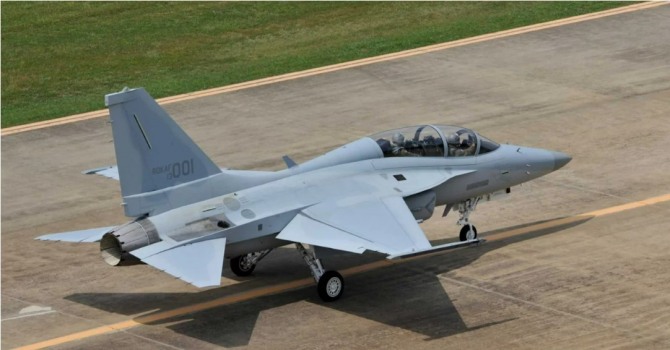
FA-50 Light Combat Aircraft: Thailand’s Strategic Asset
The FA-50 delivers 80% of an F-16’s capabilities at half the cost. Equipped with AESA radar and AIM-120 missiles, it matches China’s J-10 while doubling as a trainer, maximizing cost-efficiency. Its GE F404 engine proves more reliable than the problematic Chinese Z-10 helicopter engines.
Thailand plans to strengthen its South China Sea patrol with 12 FA-50s, complementing the K9 for comprehensive air support. Korean training programs enable pilot transition in just 6 months, a stark improvement over the two-year process for Chinese aircraft. The Philippines’ successful adoption serves as a model.
This aircraft is set to be a game-changer in aerial combat.
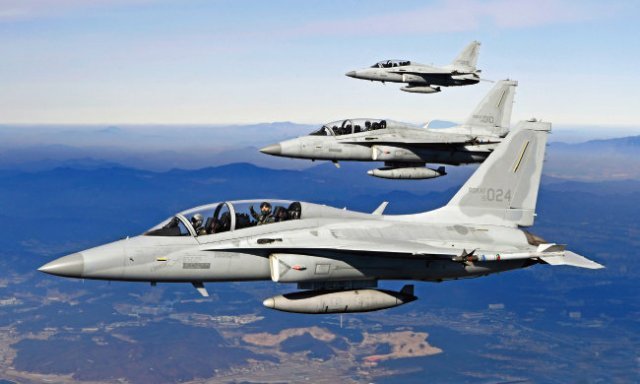
Southeast Asia’s Shift from Chinese Arms and South Korea’s Gain
Thailand’s decision reflects a broader Southeast Asian trend. Malaysia is considering 18 K9 howitzers, while Indonesia is reassessing the FA-50. Following the VT-4 and Z-20 failures, China’s arms market share in Southeast Asia has plummeted from 40% to 20%, with South Korea filling the void.
Vietnam and Cambodia are testing the K9, while the Philippines celebrates the success of the BRAVE1 package. Despite China’s attempts at price cuts, trust remains elusive. South Korea’s defense exports are poised to surpass 20 trillion KRW (15 billion USD).
Trust has become the decisive factor.
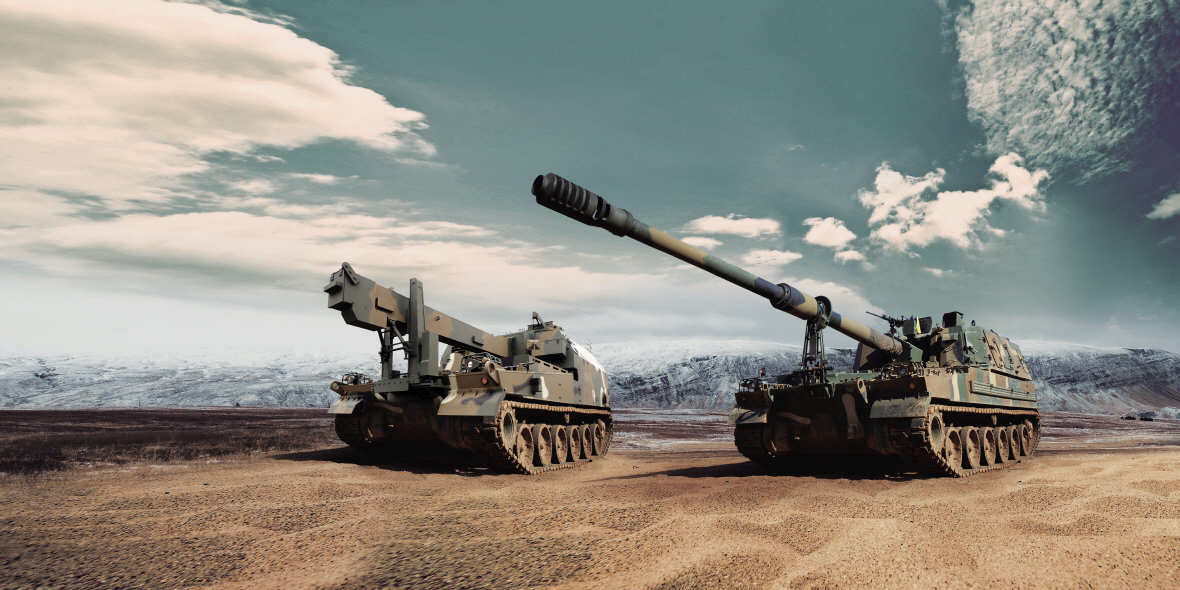
Economic and Strategic Implications: A Future Outlook
The 3 trillion KRW (2.25 billion USD) deal is set to boost Hanwha’s revenue by 5 trillion KRW (3.75 billion USD) while supporting Thailand’s industrial self-reliance. It counters China’s South China Sea dominance and strengthens the Thai-Korean military alliance. Two local factories for K9 and FA-50 production will establish Thailand as a regional hub.
Recurring quality issues, like those seen with China’s WS-10 engine explosions, could cement South Korea’s defense industry leadership. By 2030, Thailand aims to field the region’s most formidable army and air force, deterring Chinese aggression. This strategic move may prove to be Thailand’s saving grace.















Most Commented