
How South Korea Became the Third Nation to Develop GaN AESA Technology: A Deep Dive into the Future of Defense
Daniel Kim Views
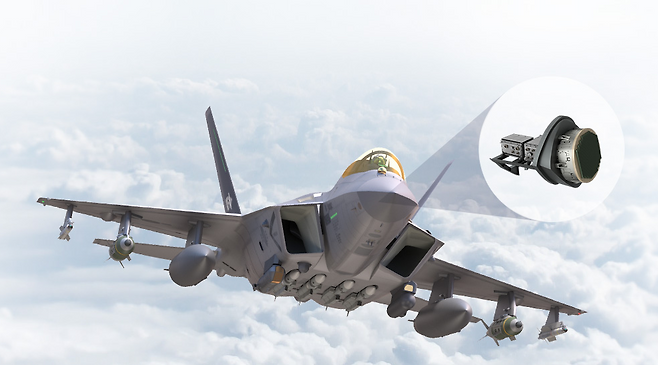
Breakthrough: South Korea Develops World’s Third GaN AESA Device
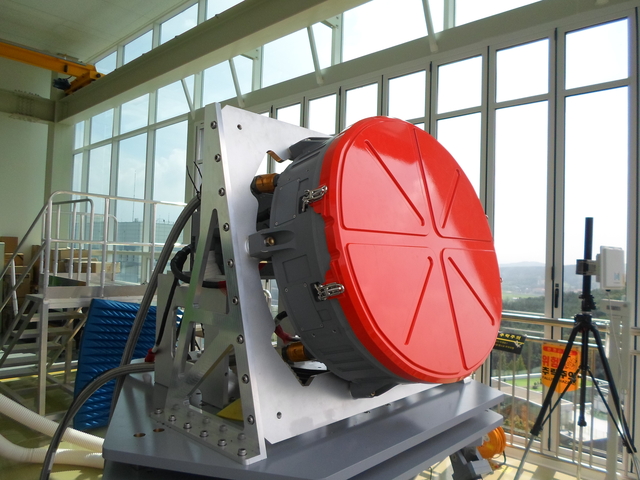
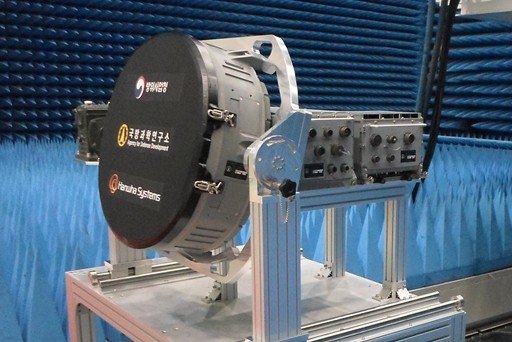
South Korea has joined an elite group, becoming the third nation globally to independently develop a high-power Gallium Nitride (GaN) AESA radar device, following Japan and the United States. This cutting-edge component, crucial for electronic warfare, radar systems, and missile seekers, delivers five times the output of traditional Gallium Arsenide (GaAs) devices while being just one-third the size. The innovation promises to revolutionize advanced weapon systems’ capabilities.
In a landmark moment this February, Hanwha Systems and LIG Nex1 unveiled their first production model, declaring technological independence. This achievement follows 15 years of rigorous development by the Agency for Defense Development, resulting in a Ku-band (12-18 GHz) high-power device. Set to be a key component in the KF-21 Block 3 radar, this breakthrough has captured global attention.
The implications of this technology extend far beyond defense, reaching into 6G and satellite communications, potentially positioning South Korea as a leader in these critical industries.
U.S. Tech Transfer Denial Spurs South Korean Innovation
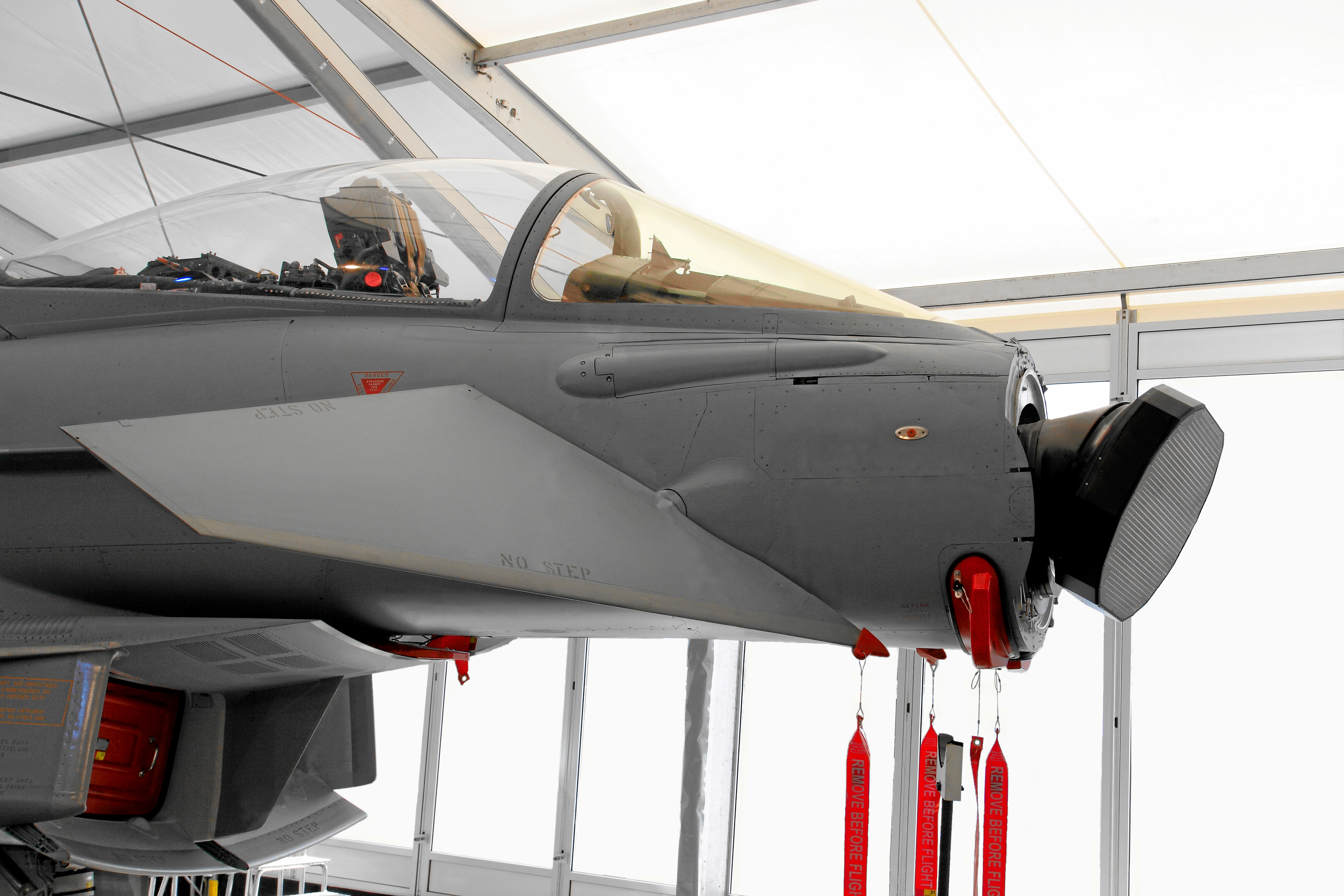
When South Korea initiated the KF-21 project in the early 2000s, it sought U.S. assistance in AESA core T/R module technology. The U.S., citing national security concerns, declined the request, offering limited access only to Japan and Europe. Even F-35 radar technology was withheld from South Korea, ostensibly due to concerns about China.
Undeterred, South Korea launched an ambitious GaN device development project in 2011, led by the Agency for Defense Development. The goal was to surpass the limitations of GaAs technology, focusing on high output and miniaturization. A 15-year, 2 trillion KRW (1.5 billion USD) investment culminated in mass production beginning in 2026, marking South Korea’s technological independence. This development reportedly stunned the U.S. Department of Defense, who termed it South Korea’s “hidden card.”
This achievement stands as a testament to South Korea’s determination and technological prowess.
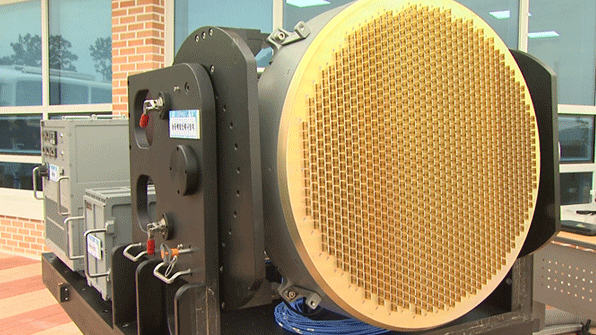
GaN Device: A Technological Marvel
The new GaN devices boast impressive specs: five times the output density (from 50W to 250W), triple the thermal conductivity, and one-third the size of their GaAs predecessors. This allows for a 33% reduction in T/R modules per AESA radar panel while maintaining output, resulting in a 20% weight reduction that enhances fighter jet agility.
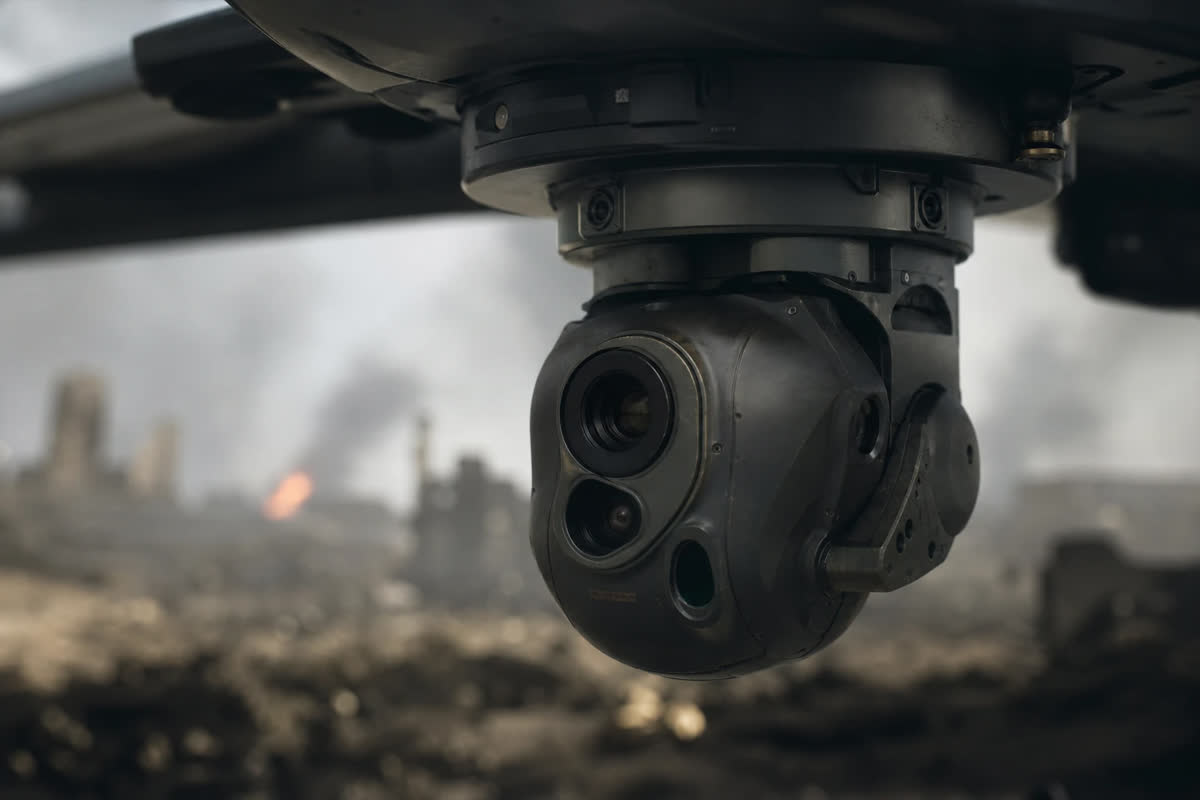
These Ku-band high-output devices have versatile applications, from drone seekers and hypersonic missile terminal guidance to electronic warfare directed energy weapons. They offer extended operational time – up to eight hours continuously – and triple the maintenance cycle. Hanwha Systems reports significant cost savings, with panel prices dropping from $520,000 to $370,000.
These advancements represent world-leading efficiency in the field.
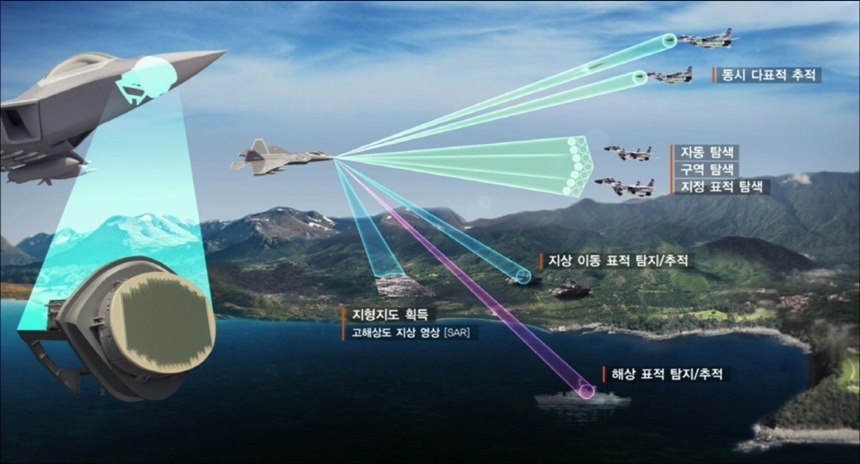
KF-21 Fighter Jet: A Fully Domestic AESA Radar
The KF-21 Block 2 radar (APY-016K) will incorporate 1,200 GaN devices, boosting detection range by 40% to 200 km and enabling simultaneous tracking of 25 targets. Its multi-mode capability covers air-to-air, air-to-ground, and air-to-sea operations, facilitating automatic engagement with Hyunmoo and Cheongung missiles.
Block 3’s stealth enhancements, coupled with internal weapon bays, are expected to surpass the F-35’s radar output. Discussions are ongoing for GaN technology transfer in UAE joint development projects, with applications extending to Poland’s FA-50 upgrades. Korea Aerospace Industries aims to become the world’s third-largest AESA producer.
This marks the completion of the Boramae fighter’s advanced sensor suite.
Transforming Hypersonic Missiles and Drone Technology
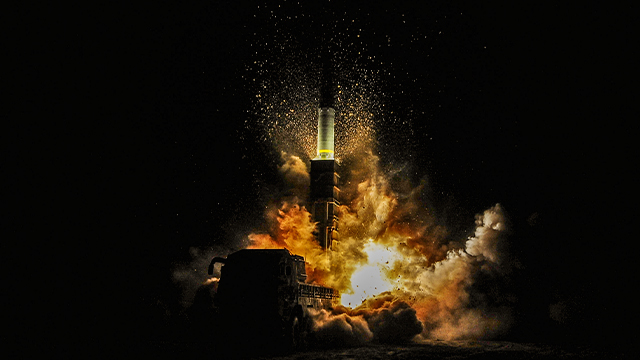
GaN devices are pivotal for the Hyunmoo-6 hypersonic missile seeker, enabling precision strikes within a 0.1-meter margin at Mach 8 during terminal phase. This capability significantly enhances defenses against threats like Russia’s Kinzhal. With a 50 km detection range and 20% volume reduction, these devices maximize missile maneuverability.
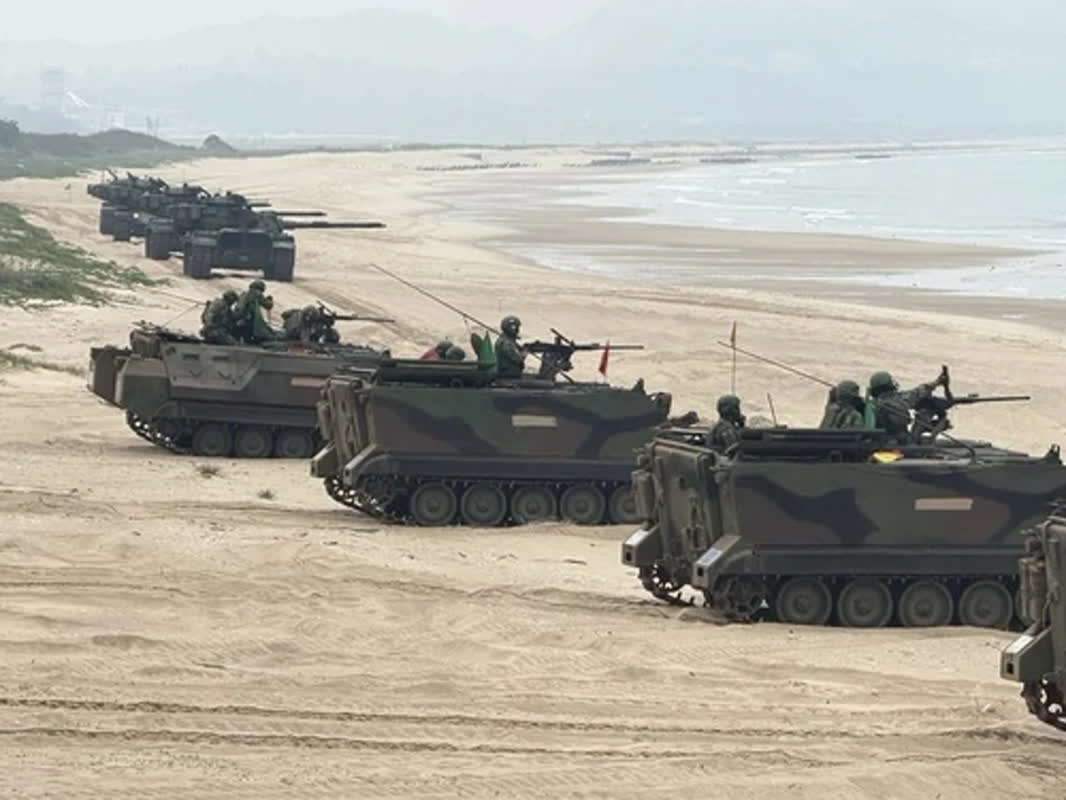
The technology extends to small reconnaissance and attack drone seekers, capable of tracking highly agile targets at 15g in swarm operations. LIG Nex1 has successfully integrated GaN AESA onto the KN-1 wheeled vehicle for drone defense, with plans to expand to Marine Corps KAAV turret auxiliary armaments.
This technology is set to be the cornerstone of future warfare capabilities.
Revolutionizing Electronic Warfare and Satellite Communications
GaN High-Power Amplifiers (HPAs) are revolutionizing electronic warfare equipment, quadrupling jamming output against enemy radar and enhancing Krutnik defense systems. When applied to LM2 multifunction radars, they extend detection ranges to 180 km, crucial for tracking final-stage targets in the U.S.-South Korea joint defense network.
The technology’s impact extends to civilian sectors, with Samsung Electronics and SKT collaborating on an 800 Gbps dedicated network for 6G and satellite communications. Partnerships with Sweden’s Saab and participation in European Airbus R&D projects position South Korea to influence global standards.
This advancement signifies a shift from defense technology to industrial dominance.
Global Impact and South Korea’s Defense Industry Future
U.S.-based Raytheon has ranked South Korea’s GaN output second globally, while Japan’s Mitsubishi acknowledges a 20-year technology gap. China’s replication attempts have faltered, and Russia’s Nebo-M radar faces increasing obsolescence.
South Korea is poised to capture a significant share of the 34 trillion KRW (25.5 billion USD) AESA export market, forging R&D partnerships with Sweden, France, and the UAE. By boosting domestic production from 60% to 90% and cutting maintenance costs by 9%, South Korea has established a competitive edge in the global market.
From third place, South Korea now sets its sights on global leadership in this critical technology.












Most Commented