
From Silence to Outrage: The 2005 Military Scandal That Changed South Korea’s Army Forever
Daniel Kim Views
@@@
Photo
@@@
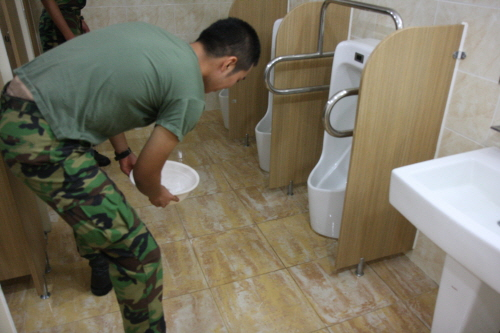
Explosive Anger Erupts During Bathroom Inspection at Training Camp
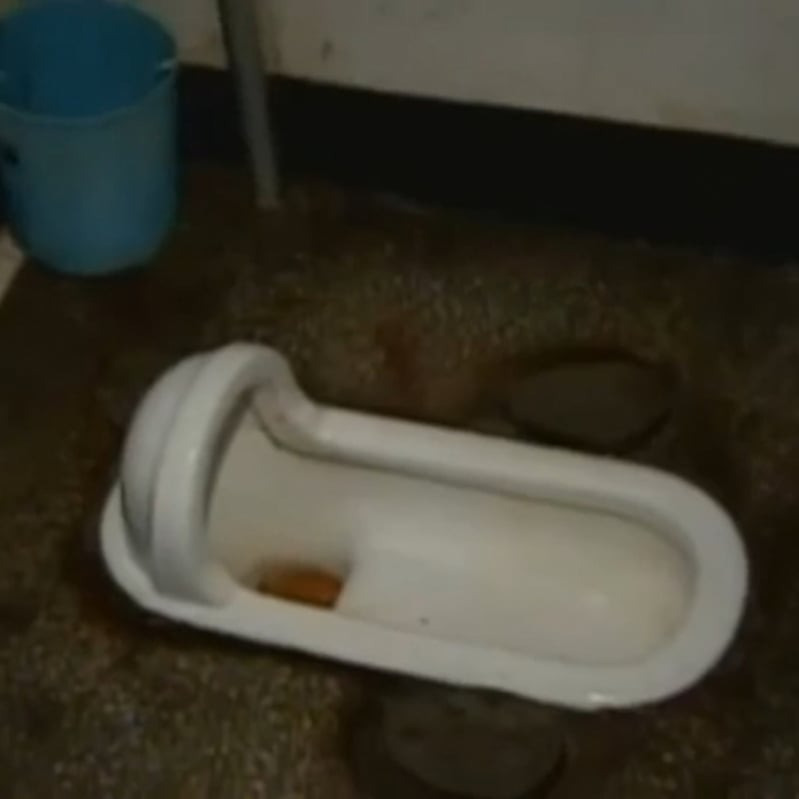
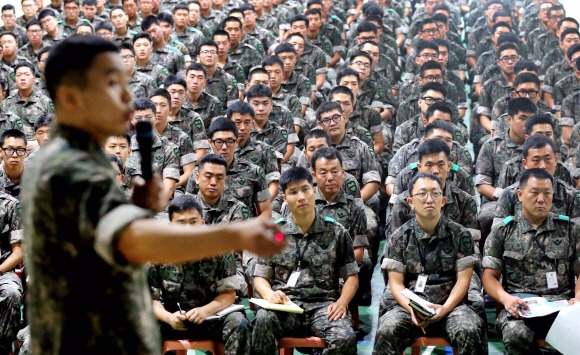
At 3:30 PM, during night roll call preparations, feces were discovered in a toilet bowl. Captain Lee Kyung-jin lined up all 192 company members, claiming they “didn’t clean properly.” He forced them to put feces on their fingers, place it in their mouths, and hold it for 5 seconds, repeating this twice.
Lee made degrading remarks, saying, “This is what you are.” Trainees complied out of fear. The situation where toilets couldn’t be flushed due to lack of water was ignored.
@@@
Photo
@@@
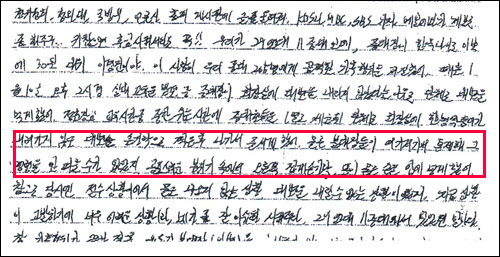
Trainee’s Letter Exposes Incident to the World
In 2005, with no cell phones or social media in the military, one trainee wrote to a friend, “We were forced to eat feces.” A tipster passed this to MBC reporter Baek Seung-kyu. On January 20, MBC’s report sent shockwaves nationwide.
The Korea Defense Daily reported four days late. Division commander Maj. Gen. Heo Pyeong-hwan pleaded with reporters, “Don’t report this, for patriotism’s sake.” Public outrage exploded.
@@@
Photo
@@@
Military Command Immediately Dispatches Special Investigation Team
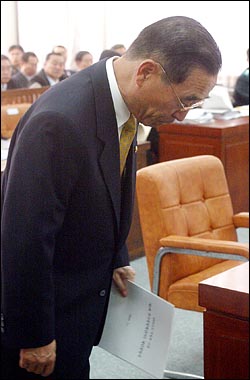
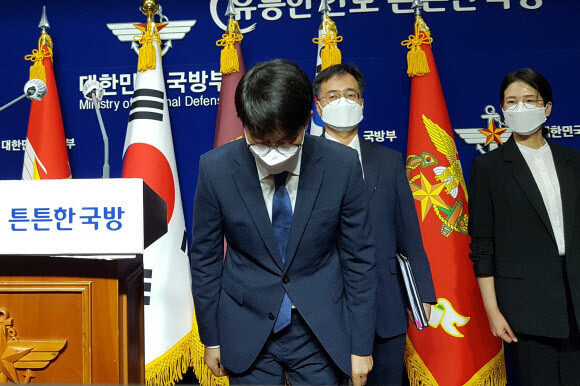
On January 21, Lee was arrested. The Army HQ sent an investigation team led by Inspector General Ryu Woo-sik. Defense Minister Yoon Kwang-woong apologized on TV. Division commander Heo received a warning, and 14 others, including the regimental commander, were disciplined.
The military police dispatch commander was replaced. The National Human Rights Commission launched an investigation. Criticism of the military’s closed nature surged.
@@@
Photo
@@@
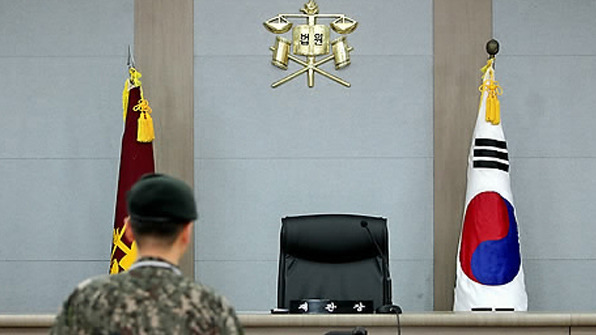
Lee Sentenced to 6 Years in Prison
The military court sentenced Lee to 6 years in prison for insult and obstruction of duty. The sentence was upheld on appeal. The training center commander received a warning, and the education battalion commander was dismissed. Disciplinary action against the squad leader (sergeant) sparked controversy.
After the incident, mandatory welfare calls were implemented at training centers, and a culture prohibiting verbal abuse was fostered.
@@@
Photo
@@@
Excuse of Water Shortage Falls Flat
Lee claimed he was “instructing cleaning due to trainees’ inability to flush toilets because of water shortage.” However, forcing feces consumption was deemed psychopathic behavior. Victims suffered severe trauma.
The Center for Military Human Rights Korea condemned the “human rights violation.” The incident became a symbol of military misconduct.
@@@
Photo
@@@
Media Pressure and Military Cover-up Attempts Exposed
A recording of the division commander asking MBC not to report was released. The Defense Ministry faced criticism for “protecting their own.” The training center commander apologized on TV. Public opinion sparked military reforms.
Discussions to abolish auxiliary police training centers began. The incident initiated a overhaul of military culture.
@@@
Photo
@@@
Incident Becomes Symbol of Military Abuse
The 2005 incident exposed military violence in an era without cell phones. A trainee’s courageous letter led to change. Today, personal cell phones have reduced misconduct.
Lee’s pattern highlighted the issue of psychopathic commanders. The military learned to strengthen command responsibility.











Most Commented