
@@@
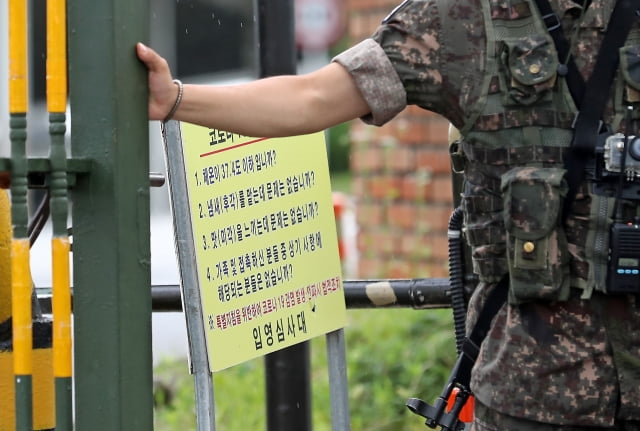
SNS photo
@@@
A senior soldier reprimanded a new recruit for violating smoking regulations
During unit buddy duty, a sergeant witnessed a new recruit walking to the smoking area wearing slippers and smoking. When the sergeant pointed out the regulation violation, saying, “Don’t go to the smoking area in slippers,” the recruit retorted, “Officers do it too.”
The sergeant repeated the warning to follow regulations, but the recruit provoked him by saying, “Who are you to tell me what to do?” The entire squad witnessed the incident.
@@@
Photo
@@@
The company commander gathered the squad and criticized the senior soldiers
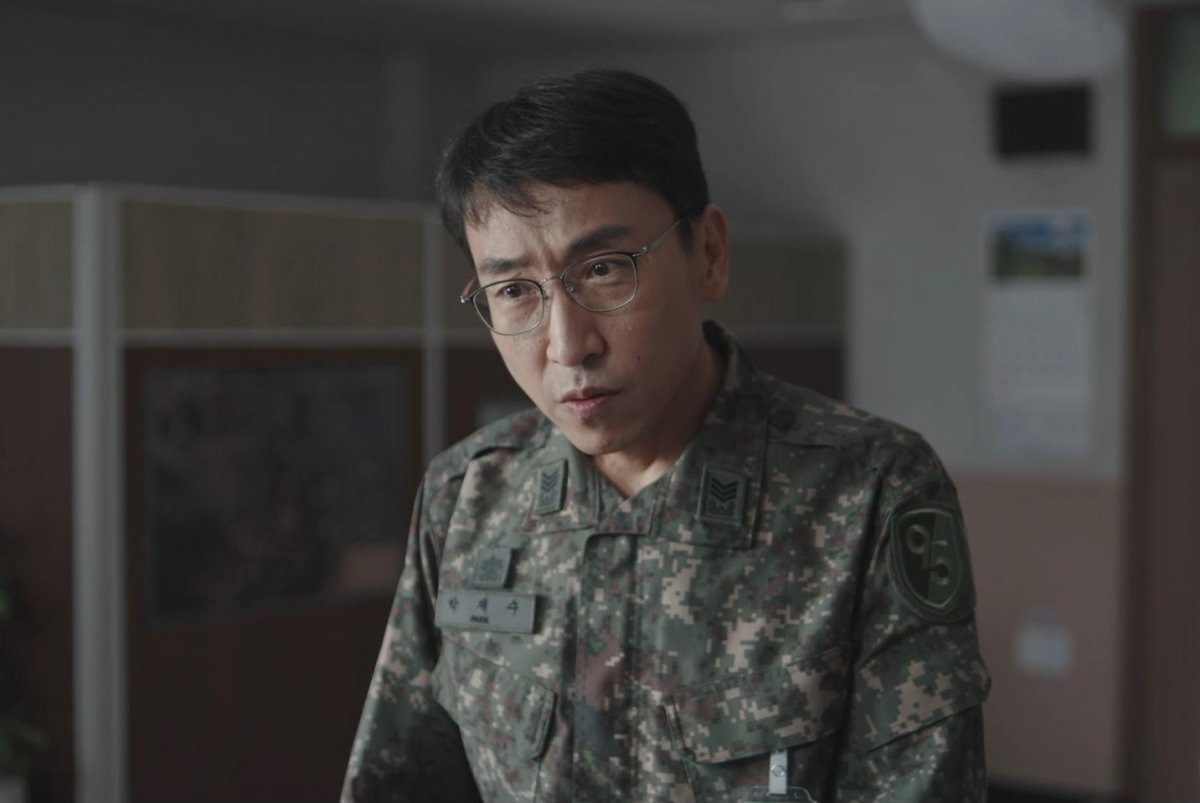
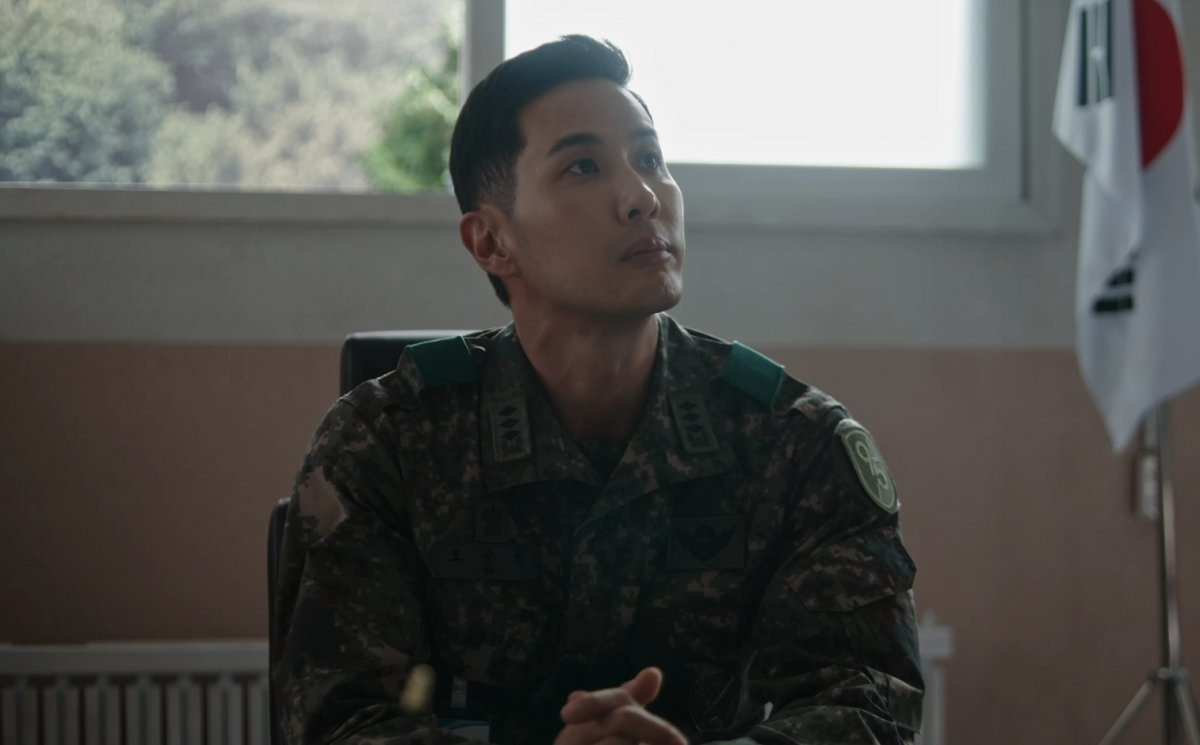
The recruit reported to the company commander that “the sergeant scolded me.” The commander immediately assembled the squad and berated them, asking, “What makes senior soldiers better than new recruits?” He pressured the senior soldiers with a lecture on why they should not reprimand new recruits.
The sergeant reported the incident truthfully through the “heart letter” (unit grievance counseling), but was instead transferred to another unit. This sparked a controversy over abuse by new recruits.
@@@
Photo
@@@
Online exposure sparked nationwide outrage
An anonymous soldier posted, “Transferred for pointing out a new recruit’s smoking violation.” Public opinion exploded over “rank reversal” and “company commander’s abuse of power.” Civil organizations, including the Center for Military Human Rights, demanded intervention.
The Ministry of National Defense inspected the unit’s conditions. The company commander’s practice of leniency and criticism became a focal point.
@@@
Photo
@@@
Military leadership reversed the unjust transfer
After a division-level investigation, the sergeant’s transfer was canceled. The company commander received a warning from the training battalion commander. The new recruit was reprimanded, concluding the incident.
The Ministry of National Defense strengthened guidelines to “severely punish actions that undermine the rank structure.” Discussions began on introducing measures to protect senior soldiers.
@@@

Military Rights Center
@@@
A symbolic case of rank culture reversal
The new recruit’s defiance towards a senior soldier and the company commander’s criticism of senior soldiers signaled a breakdown in traditional rank culture. This case was an exception to the trend of decreasing misconduct, facilitated by easier reporting through widespread cell phone use.
The Center for Military Human Rights argued for the need for “laws to protect senior soldiers.” The incident became a catalyst for military reform.
@@@
Photo
@@@
The company commander’s lenient practices were problematic
Company commanders were known for their bias towards new recruits. The “entitled new recruit” culture led to victimization of senior soldiers. This incident prompted enhanced training for company commanders.
The soldier expressed frustration, saying he was “transferred for trying to enforce regulations.” Public opinion grew stronger in calling for the restoration of the proper rank structure.












Most Commented