
KF-21 Fighter Jet: Why Indonesia’s Exit Opens Doors for UAE’s $20 Billion Investment
Daniel Kim Views
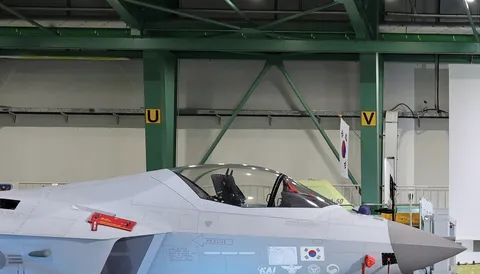
Inside Indonesia’s Final Decision to Exit the KF-21 Program
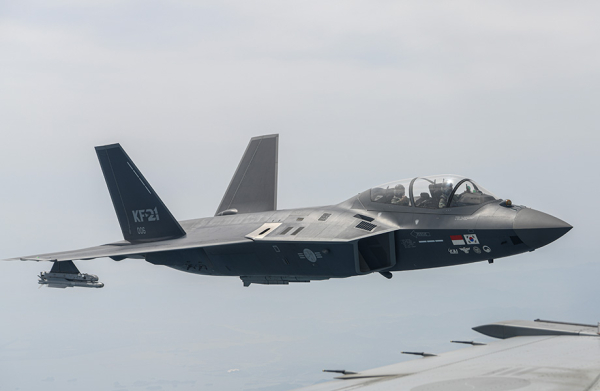
In February 2026, South Korea’s Defense Acquisition Program Administration (DAPA) officially terminated Indonesia’s participation in the KF-21 joint development program. This decision was based on three key factors: Indonesia’s failure to pay 760 million USD of the 1.3 billion USD (approximately 1.7 trillion KRW) development cost, attempts to leak sensitive technology, and disparaging the aircraft’s capabilities while shopping for Turkish and French alternatives. As a result, Indonesia’s 20% stake was reduced to zero, the planned delivery of Prototype No. 5 was canceled, and all core technology transfers were halted.
DAPA’s official statement was unequivocal: “Partner status has been revoked due to non-payment and technology security violations. Indonesia will only be allowed to directly purchase 16 Block 2 aircraft.” Despite investing 455 million USD (approximately 600 billion KRW) and leveraging the acquired technology to pursue deals for Turkish-made fighters and French Rafales, Indonesia now finds itself completely sidelined from the KF-21’s production phase. The Jakarta Times reported the shock with an editorial titled “Indonesia’s Aerospace Industry Set Back Two Decades.”
This marks the end of a long-standing case of exploitation.
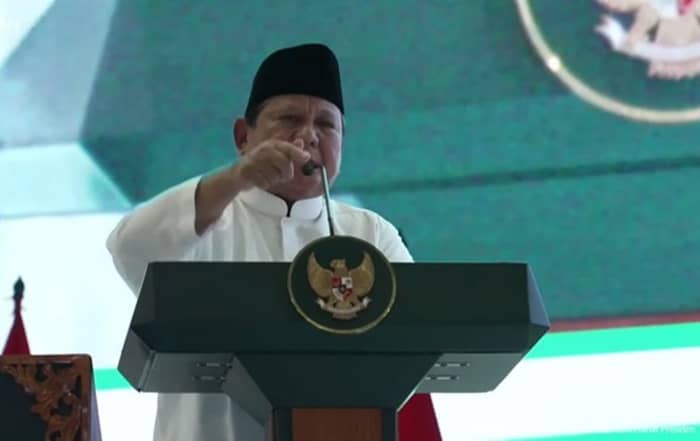
Indonesia’s Pattern of Betrayal and Self-Sabotage
Indonesia’s troubles began shortly after joining as a development partner in 2016. By 2024, Korean Aerospace Industries (KAI) had uncovered attempts to steal technology via USB drives. In 2025, Indonesia announced a contract for 48 Turkish fighters while downplaying the KF-21 as merely “fourth-generation.” They even tried to force the removal of U.S. components from Boeing F-15EX jets, leading to that deal’s collapse.
Delays in acquiring 42 Rafale jets and ongoing issues with Su-35 purchases have crippled Indonesia’s air force modernization efforts. With only 20 operational F-16s, Indonesia faces significant vulnerabilities against China’s J-20 threat in the South China Sea. The Jakarta Globe has begun discussing “the cost of betraying South Korea,” while criticism of the Prabowo administration’s decisions intensifies.
This represents a massive self-inflicted wound for Indonesia.
![Why the UAE, a Recent Rafale Customer, Now Eyes Korea\'s KF-21 [Special Report]](https://contents-cdn.viewus.co.kr/image/2026/02/CP-2025-0197/image-991d8580-87cc-488f-9a74-3c113fcc9e31.jpeg)
UAE’s Swift Move Following Indonesia’s Exit
Just three days after Indonesia’s removal, UAE Defense Minister Patra Butera visited KAI’s Sacheon plant with a bold proposal: 15.1 billion USD (approximately 20 trillion KRW) for joint development of the KF-21 Block 3. This plan, potentially expanding to 30.3 billion USD (approximately 40 trillion KRW) with Saudi Arabian involvement, includes participation in internal weapons bay and radar-absorbent material (RAM) coating technologies for the Block 3 variant.
The UAE’s motivations are clear. With aging F-16s and F-35 purchase restrictions, the KF-21 offers a cost-effective alternative to pricier Rafales and Eurofighters. Impressed by Poland’s FA-50 success and the Philippines’ recent 12-jet order, the UAE values Korea’s reliability and rapid development. Minister Butera stated, “Indonesia’s departure creates an opportunity for the UAE,” signaling readiness for immediate negotiations.
This reflects the Middle East’s instinct to seize strategic opportunities.
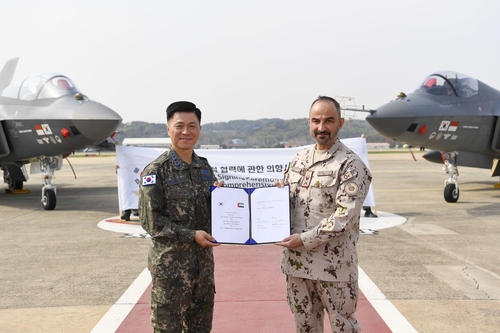
UAE’s 15.1 Billion USD Investment: Scale and Technology Cooperation Details
The UAE’s proposal is ambitious. They aim to secure a 25% stake with a 15.1 billion USD (approximately 20 trillion KRW) investment in the 54.4 billion USD (approximately 80 trillion KRW) Block 3 development. Plans include joint development of desert-optimized weapons systems (including Hyunmoo anti-ship missiles and AIM-120 air-to-air missiles), final assembly in Abu Dhabi, and positioning as an export hub for Saudi Arabia and Qatar.
KAI welcomed the UAE’s investment, projecting a two-year acceleration of Block 3 development with production starting in 2032. For the UAE, the 8 billion USD price tag for KF-21 Block 3 fighters represents significant savings compared to the 15 billion USD F-35 package. The deal also promises 10,000 new jobs through local production.
This partnership effectively fills the void left by Indonesia’s exit.
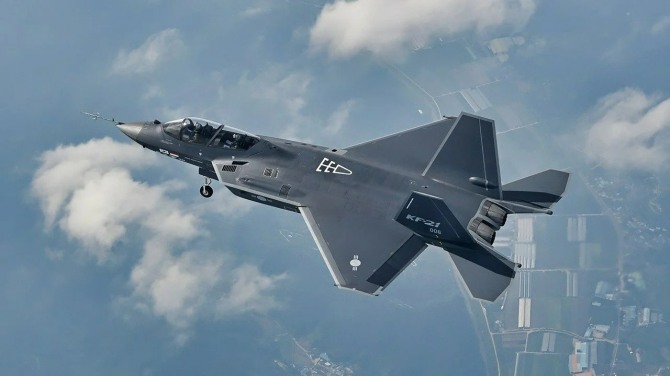
Philippines and Malaysia Lead Southeast Asian Interest
Indonesia’s departure has created opportunities for other Southeast Asian nations. The Philippines, having already ordered 12 FA-50 jets under the BRAVE1 package, is now considering 18 additional KF-21 Block 2 fighters. President Duterte emphasized, “Countering Chinese expansion in the South China Sea is our top priority,” signaling full commitment to Korean defense products.
Malaysia, after signing for 18 FA-50s, has expressed interest in the KF-21 Block 1 to fill Indonesia’s former role. Vietnam has requested KF-21 flight demonstrations, bypassing previous Rafale considerations. Indonesia’s exit has accelerated the reshaping of Southeast Asia’s defense market in favor of Korean products.
This void presents significant opportunities for South Korea.
Global Reactions and South Korean Defense Industry Benefits
Indonesia’s exit has sent shockwaves through the global defense community. Poland welcomed the decision, while Turkey acknowledged Korea’s technological edge amidst its own fighter program delays. Indonesia faces increased isolation following the cancellation of its Boeing F-15EX order.
South Korea maintains its 200-jet export target with new UAE and Philippine partnerships, projecting an 11.4 billion USD (approximately 15 trillion KRW) revenue boost for KAI. Accelerated Block 3 development could propel South Korea to become the world’s third-largest fighter jet producer by 2035. Meanwhile, Indonesia grapples with air force capability gaps as it turns to Turkish and Chinese alternatives.
This serves as a stark lesson on the consequences of unreliability in defense partnerships.
Indonesia’s Attempts at Reconciliation and Future Outlook
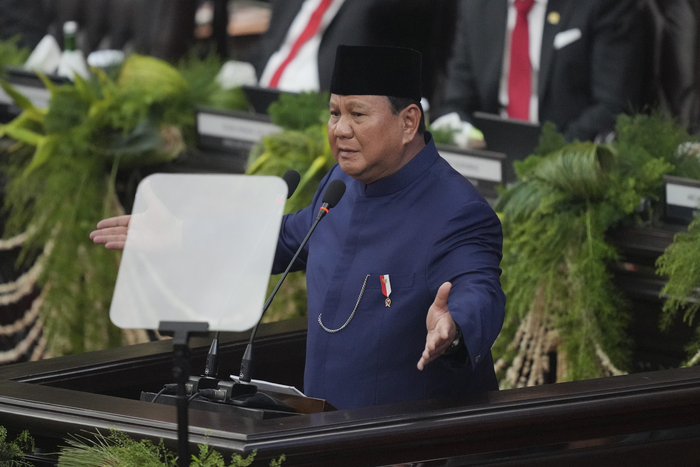
Indonesian media has shifted tone dramatically. The Jakarta Post published an editorial pleading for reinstatement in the KF-21 program, while the Defense Minister proposed an immediate order for 16 Block 2 jets. South Korea has remained silent on these overtures. The loss of technology transfer and export rights has dealt a severe blow to Indonesia’s aerospace ambitions.
The UAE and Philippine successes have forced Indonesia to confront a harsh reality: “We cannot advance without Korea.” The Prabowo administration faces mounting criticism as South China Sea vulnerabilities deepen. Indonesia’s KF-21 exit stands as a stark reminder of the critical importance of financial commitment and trust in international defense partnerships.
A new chapter unfolds for South Korea’s ascendant defense industry.















Most Commented